Contents:
- Quick Answer: How Are Pesticides Used in Commercial Flower Growing?
- Why Do Flower Growers Use Pesticides?
- Pest Pressure on Large-Scale Farms
- Pesticides vs. Alternatives
- Most Common Pesticides in Floriculture
- Imported Flowers and Laxer Standards
- Health and Environmental Impacts
- Worker Safety
- Consumer Exposure
- Environmental Fallout
- How Are Pesticides Regulated for Flowers in the US?
- EPA Oversight and Gaps
- Certification and Labeling
- Alternatives: Reducing Pesticide Use in Floriculture
- Integrated Pest Management (IPM)
- Organic Floriculture
- Consumer-Driven Change
- What Can You Do as a Consumer?
- Frequently Asked Questions
- Do cut flowers sold in the US have pesticide residues?
- Are pesticide-treated flowers dangerous to handle at home?
- How can I find pesticide-free or low-pesticide flowers?
- Why aren’t flowers regulated as strictly as food crops?
- Are imported flowers worse for pesticide residue?
- The Future: Demand Change, One Bouquet at a Time
Pesticide Use in Commercial Flower Growing
Step inside a supermarket or florist this week. That bunch of sunny gerbera daisies or dozen long-stemmed roses might look flawless–but do you know what it took to get them there? The journey from commercial flower farm to your vase often involves a cocktail of pesticides most buyers never notice. In 2026, with “farm to table” thinking now seeping into the floral industry, how growers protect blooms–and what lands on petals–matters more than ever.
Quick Answer: How Are Pesticides Used in Commercial Flower Growing?
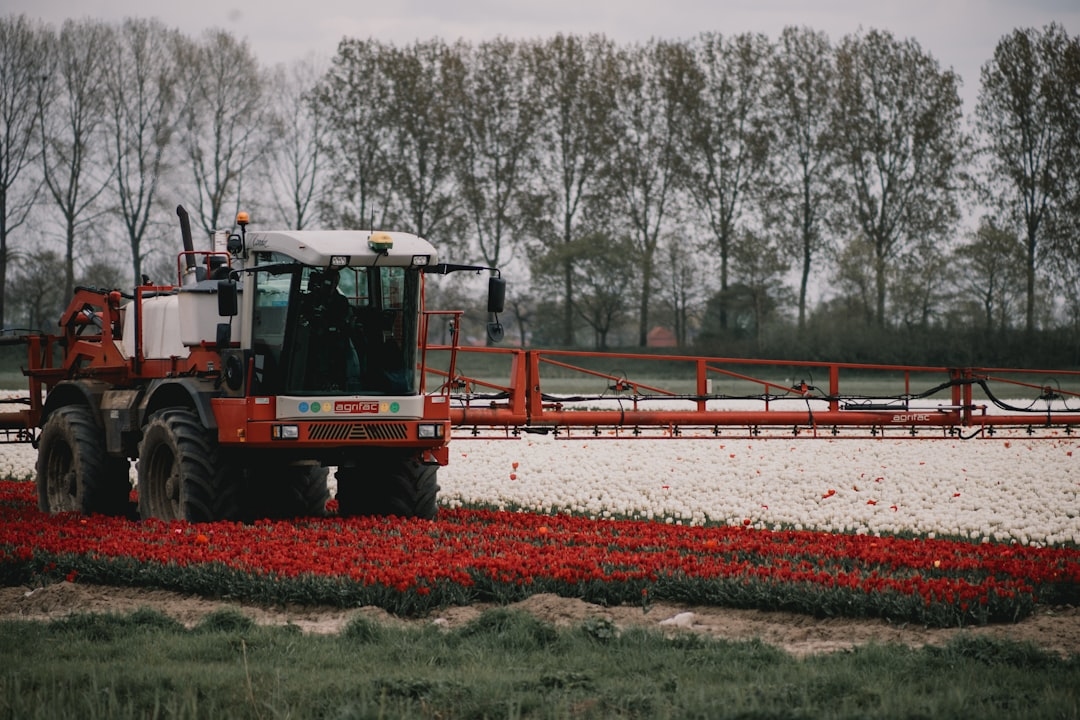
Commercial flower farms in the US rely on various pesticides, including insecticides, fungicides, and herbicides, to maintain crop quality and yield. These chemicals control pests, diseases, and weeds but often leave residues on blooms. The Environmental Protection Agency (EPA) regulates which pesticides can be used, but flowers–unlike food crops–aren’t required to meet strict residue limits. As of 2026, the most widely used pesticides in American floriculture include chlorothalonil (fungicide), imidacloprid (insecticide), and glyphosate (herbicide). Many cut flowers sold in the US are imported, often carrying higher pesticide loads due to looser regulations abroad.
Why Do Flower Growers Use Pesticides?
Pesticides aren’t just a convenience for flower growers; they’re considered essential by much of the industry. Cut flowers are judged by their beauty and longevity. A single leaf spot or bug-chewed petal can make a bouquet unsellable.
Pest Pressure on Large-Scale Farms
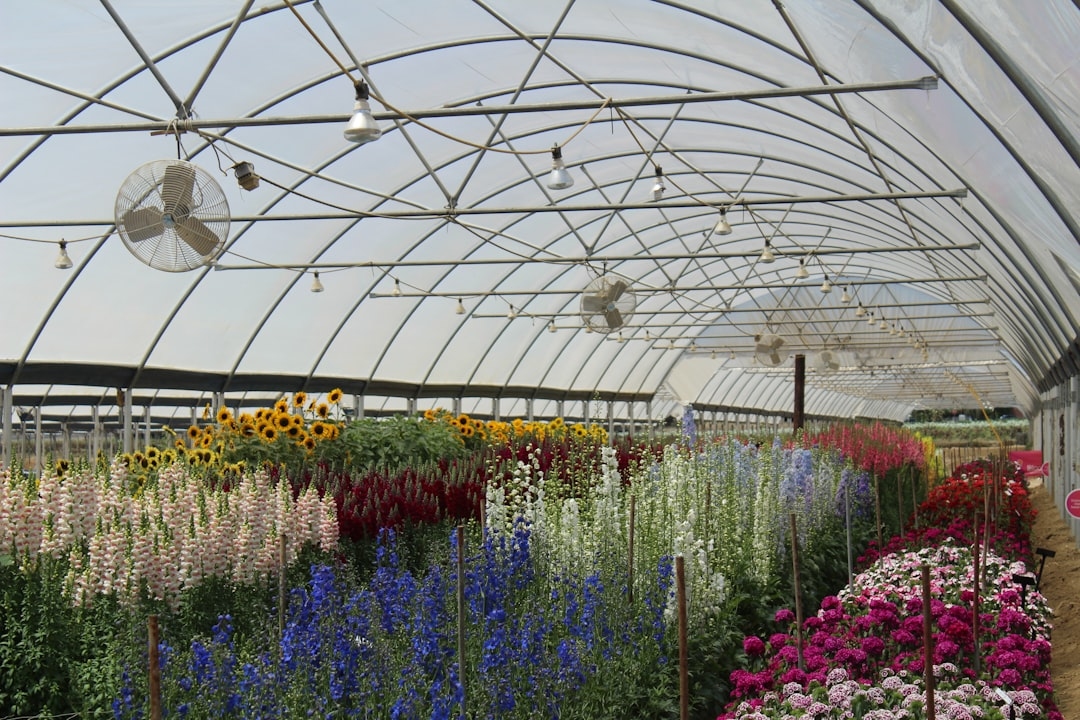
Florists report that 80% of their losses come from pest- or disease-damaged flowers, according to 2025 data from the American Society for Horticultural Science. In southern states like Florida and California, growers battle thrips, aphids, botrytis blight, and powdery mildew–all of which can wipe out weeks of work overnight.
“We’re inspected for quality every morning,” says Carla Nguyen, head grower at SunTrail Floriculture in California. “If we didn’t use preventative sprays, we’d lose half our crop before it even leaves the greenhouse.”
Pesticides vs. Alternatives
While integrated pest management (IPM) and biological controls (like predatory mites) are gaining ground, chemical pesticides remain the main line of defense for most large operations. Biological controls are more labor-intensive and sometimes less reliable at scale. In 2026, only about 12% of US commercial flower acreage is certified organic, according to the USDA.
Most Common Pesticides in Floriculture
Some pesticides have become household names in the industry–and a cause for concern among eco-conscious buyers.
| Pesticide Name | Type | Common Use | Known Risks |
|---|---|---|---|
| Chlorothalonil | Fungicide | Botrytis, powdery mildew | Allergen, possible carcinogen |
| Imidacloprid | Insecticide | Aphids, thrips | Toxic to bees, water pollution |
| Glyphosate (Roundup) | Herbicide | Weed control | Cancer lawsuits, soil effects |
| Malathion | Insecticide | Broad-spectrum insects | Nerve toxin, air contamination |
| Bifenthrin | Insecticide | Mites, ants, thrips | Toxic to fish, wildlife |
“Most buyers assume flowers are safer because we don’t eat them,” says Dr. Emily Wirth, a plant pathology researcher at Michigan State University. “But residues can transfer to hands, surfaces, and even indoor air.”
Imported Flowers and Laxer Standards
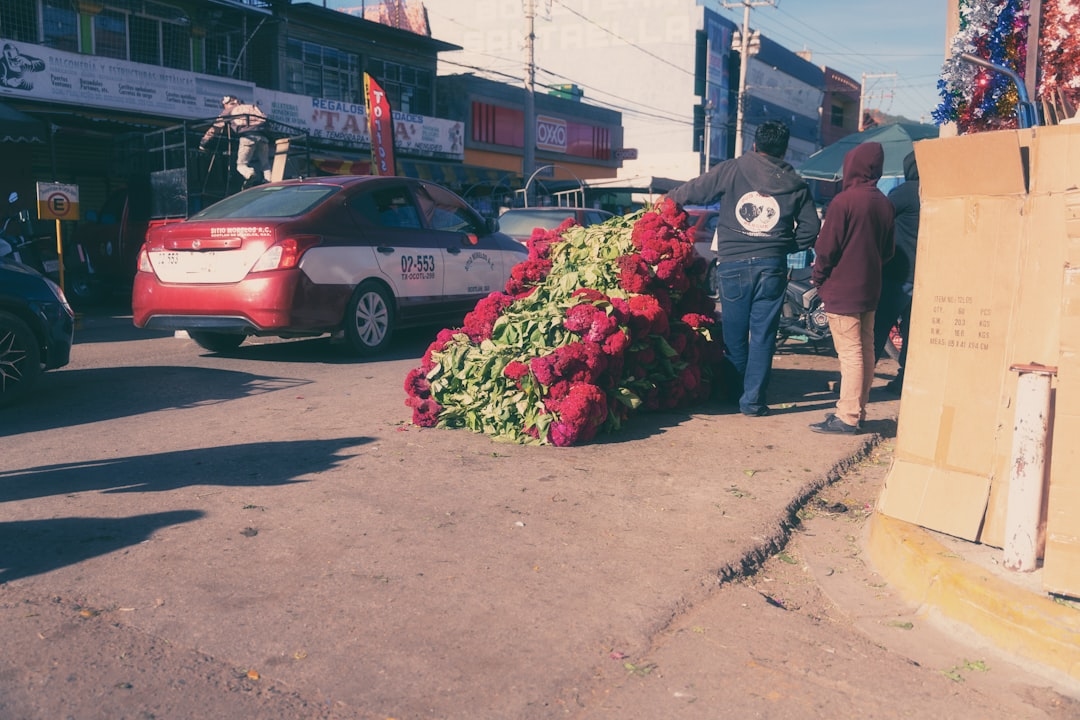
About 80% of cut flowers sold in the US are imported, mainly from Colombia and Ecuador. US regulations don’t limit the amount or types of residues on imported flowers, as they do with food imports.
Health and Environmental Impacts
Worker Safety
Commercial flower farmworkers face exposure risks much higher than consumers. The CDC reported in 2024 that farm laborers in Californian flower nurseries had triple the rates of pesticide-related illness compared to food-crop workers.
Consumer Exposure
Are you at risk from handling a bouquet? Dr. Wirth notes, “While the risk to consumers is lower than to workers, frequent handling–such as in florists or with children and pets in the home–can still result in low-level exposure, especially from flowers treated with organophosphate insecticides. Always wash hands after arranging flowers.”
Environmental Fallout
Many pesticides used on flowers are persistent. Runoff from flower farms can contaminate waterways with chemicals harmful to aquatic life. Imidacloprid, widely used for aphid control, is particularly concerning due to its toxicity to pollinators and possible role in bee population declines.
How Are Pesticides Regulated for Flowers in the US?
EPA Oversight and Gaps
The EPA sets strict residue limits for food crops, but cut flowers are not eaten. As a result, the national Flower and Nursery Pesticide Residue Standard (FANPRS) is voluntary, not enforced. This creates a loophole:
<ul>
<li>Most flowers sold in the US–both domestic and imported–are not routinely tested for pesticide residues.</li>
<li>No official “safe” residue limit exists for flowers as of 2026.</li>
<li>California’s Prop 65 can require warning labels if certain carcinogenic pesticides are detected, but only a handful of bouquets each year are subject to this scrutiny.</li>
</ul>
Certification and Labeling
The only way to know your bouquet’s background is to look for third-party certifications. Some main US options:
- USDA Organic (rare for flowers)
- VeriFlora Certified Sustainable
- Rainforest Alliance Certified
But as of 2026, fewer than 1 in 10 bouquets in major supermarkets carry any pesticide-related certification.
Alternatives: Reducing Pesticide Use in Floriculture
Are there practical alternatives to routine pesticide use? Yes–but they’re not always straightforward or affordable for every grower.
Integrated Pest Management (IPM)
IPM combines monitoring, non-chemical controls, and targeted pesticide use. Farms using IPM typically apply 40-60% fewer pesticides, according to a 2025 University of Florida Extension study.
- Physical barriers (netting)
- Biological controls (ladybugs, predatory mites)
- Precise pesticide applications only when pest levels reach economic thresholds
Organic Floriculture
Organic flower growing, while rising in popularity, faces several challenges:
- Organic-approved sprays (like neem oil or Spinosad) are less persistent but can be less effective.
- More labor and lower yields can increase bouquet prices by 30-50% over conventional flowers. A dozen organic roses in 2026 typically sells for $70-$90–compared to $30-$50 for conventional.
Consumer-Driven Change
Florists like BloomGood in Seattle and GreenStem in Vermont now offer “eco-arrangements” featuring locally grown, low-pesticide blooms. Some forward-thinking designers even include a “field-to-vase” report with every order.
“It’s becoming a selling point to know where and how your flowers were grown,” says Elena Marsh, owner of The Petaled Path, NY. “Our customers ask about pesticide use almost as often as they ask about color.”
What Can You Do as a Consumer?
- Ask your florist about growers’ pesticide practices.
- Choose U.S.-grown, certified flowers when possible.
- Wash hands after handling fresh flowers–especially before eating or touching your face.
- Support local flower farms practicing IPM or organics.
- Consider native plant bouquets, which typically need fewer inputs.
Frequently Asked Questions
Do cut flowers sold in the US have pesticide residues?
Yes, most cut flowers sold in the US–whether domestic or imported–carry some level of pesticide residue. However, the US does not require routine testing or set legal limits for pesticide residues on flowers.
Are pesticide-treated flowers dangerous to handle at home?
For most adults, occasional handling of commercial flowers poses a low health risk. However, people with chemical sensitivities, young children, or pets may be more at risk from repeated exposure or contact with residues.
How can I find pesticide-free or low-pesticide flowers?
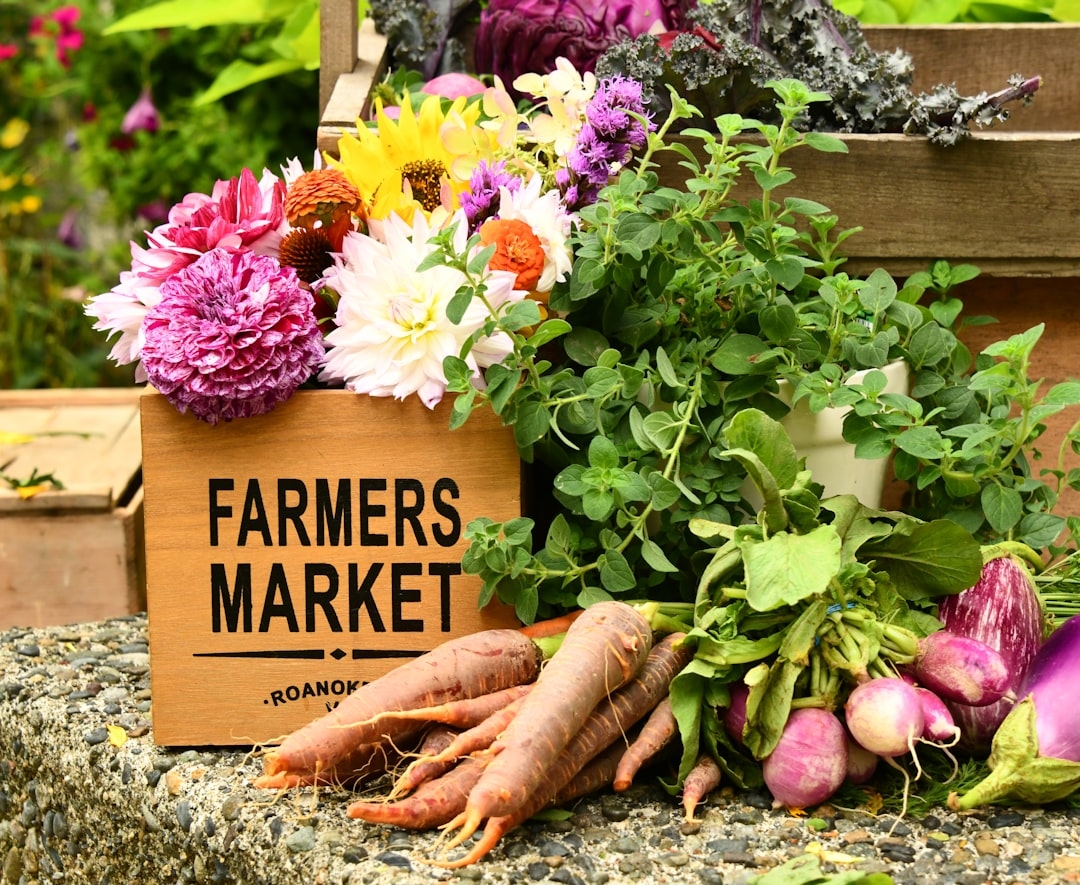
Look for certifications like USDA Organic or VeriFlora. Ask florists about their sources, or buy from local flower farms that publicize their growing practices. Farmers markets are a good place to find low-pesticide and organic options.
Why aren’t flowers regulated as strictly as food crops?
Since flowers are not grown for consumption, the US EPA does not enforce strict residue limits as it does for fruits and vegetables. This regulatory gap means pesticides approved for flower use may still be restricted–or banned–on food crops.
Are imported flowers worse for pesticide residue?
Often, yes. Imported flowers (mainly from Colombia and Ecuador) are subject to different regulations and inspection standards, and frequently have higher pesticide residue levels than US-grown flowers.
The Future: Demand Change, One Bouquet at a Time
Next time you’re choosing between that perfect peony or a cheerful mixed bouquet, a simple question–“How were these grown?”–can have a ripple effect. Demand for transparency is nudging growers, florists, and supermarkets to rethink how flowers are raised and sold. By supporting farms with mindful practices, even just a few stems at a time, you’re part of a growing movement for cleaner, greener blooms in American homes.