Contents:
- Quick Answer: Why Do Farmer’s Market Flowers Cost Less?
- The Flower Supply Chain: Who Gets Paid
- Local Sourcing: Freshness and Fewer Costs
- Shorter Distances, Less Spoilage
- No Air Freight, No Customs
- Skipping the Frills: Packaging and Labor Costs
- Seasonality and Variety: Not Always Cheaper, Always Different
- Market Flowers Reflect the Local Season
- When Grocery Stores Are Cheaper
- Direct-to-Consumer Sales: Who Benefits?
- Are Farmer’s Market Flowers Always a Better Deal?
- The Hidden Impact: Sustainability and Community
- FAQ
- Why are grocery store flowers more expensive than farmer’s market flowers?
- How long do farmer’s market flowers last compared to store-bought?
- Are farmer’s market flowers always local and sustainably grown?
- Is it ever cheaper to buy flowers from supermarkets than the farmer’s market?
- How much do you actually save by buying farmer’s market flowers?
- Ready for Your Own Market Bouquet?
Why Farmer’s Market Flowers Cost Less
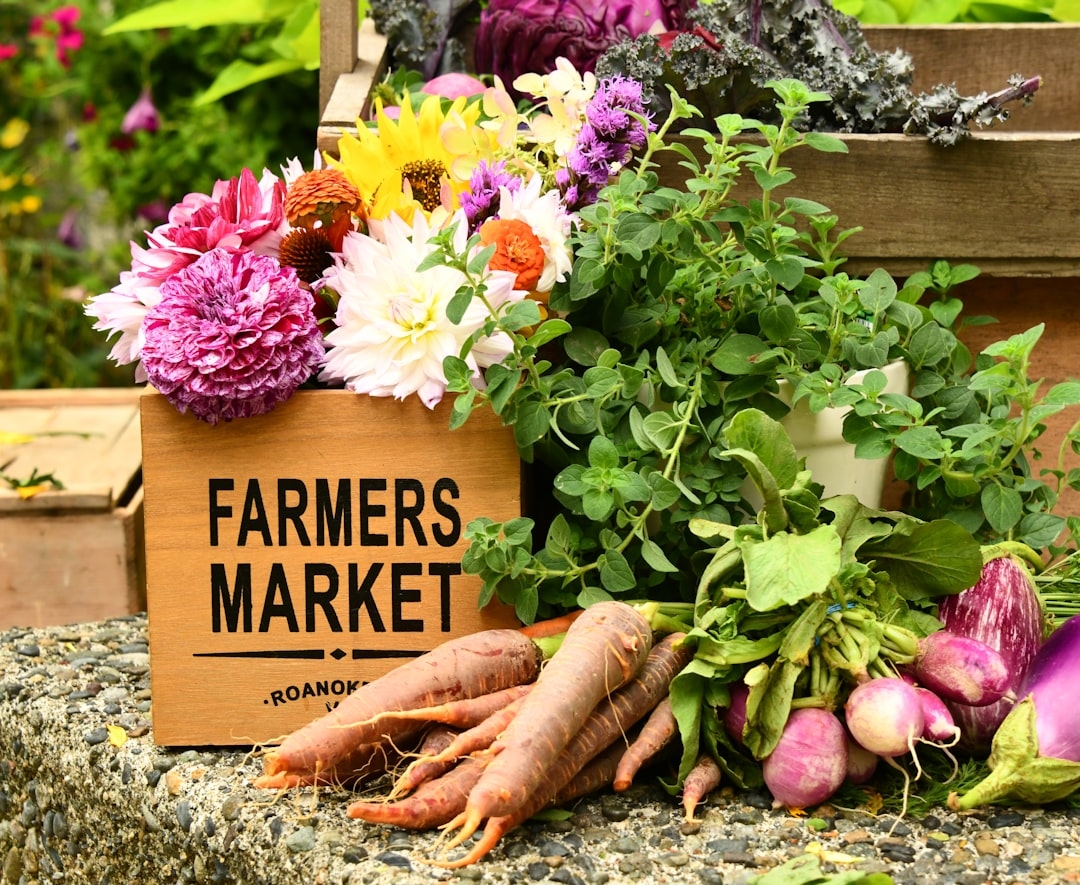
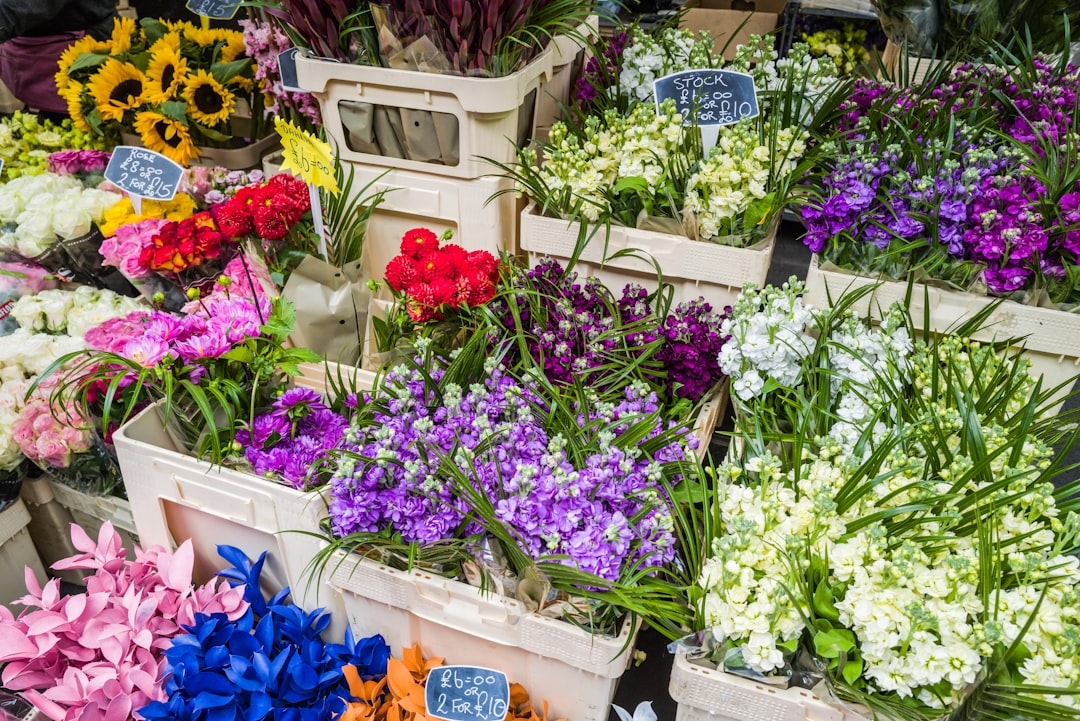
On Saturday mornings in places like Portland, Austin, and Milwaukee, fresh flower bouquets brighten farmer’s markets alongside crisp lettuce, artisan bread, and just-picked berries. But walk a few blocks down to a national grocery chain, and you’ll see a very different story–roses and lilies, wrapped in cellophane, cost 30-50% more than those vibrant market stems. Why? The answer isn’t just about skipping the middleman. It’s about how your flowers live their lives, from seed to vase.
Quick Answer: Why Do Farmer’s Market Flowers Cost Less?
Farmer’s market flowers cost less because they’re locally grown, skip long supply chains, and avoid expensive packaging and branding. Farmers sell directly to customers, eliminating the mark-ups of wholesalers, importers, and retailers. Fresher blooms, less transport, and minimal overhead mean lower prices–often $8-$15 per market bouquet versus $20-$30 for similar bunches at big-box or delivery services.
The Flower Supply Chain: Who Gets Paid
The journey of a grocery-store bouquet is surprisingly complicated. In the US, about 80% of retail flowers are imported, mostly from Colombia, Ecuador, and the Netherlands. Here’s what typically happens:
| Step | Who’s Involved | Who Gets Paid |
|---|---|---|
| Growing | Foreign farms, workers | Grower |
| Export | Exporter, freight, fees | Exporter, customs |
| Import & Distribution | US wholesalers, brokers | Importer, wholesaler |
| Retail | Grocery, florist, delivery | Retailer, delivery |
Each middleman adds their own margin–sometimes up to 200% by the time the bouquet hits the shelf, says Leah Aubrey, owner of Aubrey Florals, Denver, and a certified Floral Designer (CFD). By contrast, farmer’s market flowers come straight from the field, often picked that morning.
Local Sourcing: Freshness and Fewer Costs
Shorter Distances, Less Spoilage
A typical grocery store rose travels roughly 2,500 miles before reaching your vase and spends up to 10 days in transit, according to the Association of Specialty Cut Flower Growers (ASCFG). Local farmers might be 20 miles away. Less travel means less spoilage and waste, which drives down the loss retailers have to “bake in” to their prices.
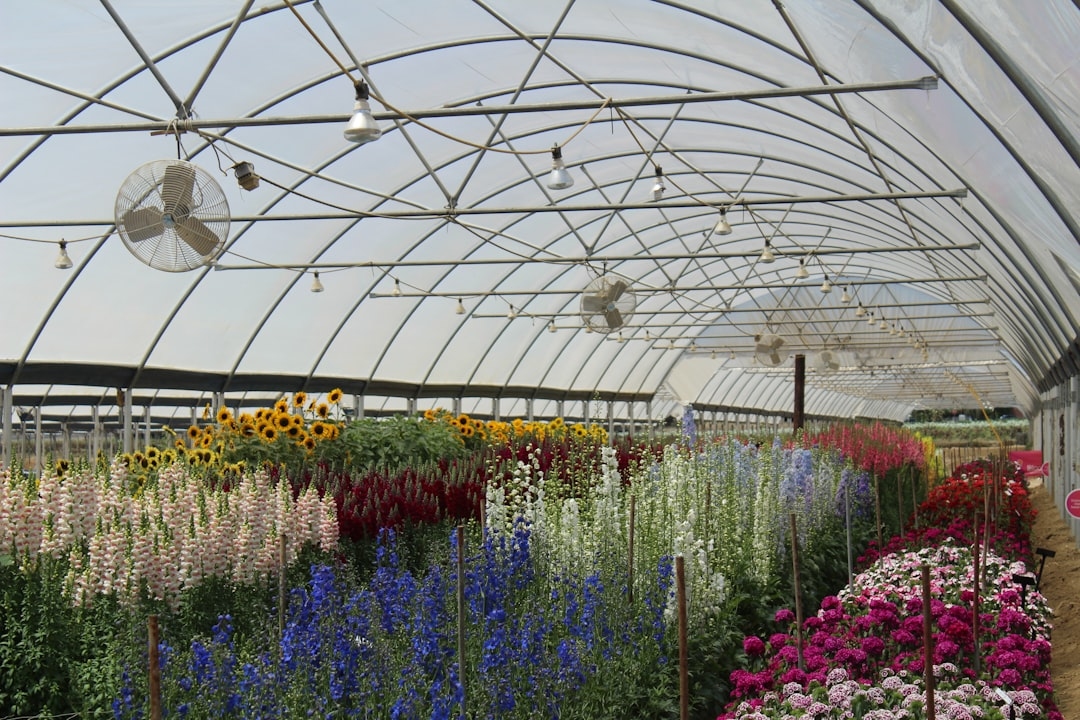
“When I cut zinnias at 5 a.m., they’re on someone’s kitchen table by noon,” says Carla Moreno, owner of Sunup Blooms in Texas Hill Country.
No Air Freight, No Customs
Shipping flowers internationally requires refrigeration, careful packaging, and expensive air freight. Importers also pay fees at US customs–costs that local growers don’t face.
Skipping the Frills: Packaging and Labor Costs
Big box stores and supermarkets invest in branded sleeves, plastic wraps, barcode labels, and lots of shelf space. That’s not just a matter of looks–it’s a major cost driver.
- Branded packaging: Adds an average of $0.75-$1.20 per bouquet.
- Labor: Assembly, processing, and display in stores can be $2-$5 per bouquet, according to 2026 estimates by the American Floral Endowment.
- Waste: Unsold stock often gets tossed, so prices must cover these losses.
Farmer’s market flowers are often bundled in simple paper, with the grower doing all the work, from cutting to selling. It’s the floral equivalent of buying eggs from your neighbor’s hens.
Seasonality and Variety: Not Always Cheaper, Always Different
Market Flowers Reflect the Local Season
Expect to find whatever thrives locally–dahlias in late summer, tulips in April, sunflowers in August. Conversely, grocery chains demand year-round uniformity, which means shipping roses from Ecuador in January and peonies from Alaska in July, regardless of cost.
When Grocery Stores Are Cheaper
Sometimes, a $9.99 supermarket rose bunch undercuts the farmer’s market. Why? Loss leaders. National chains occasionally sell flowers at a loss to lure you into the store for pricier items. But this isn’t sustainable for small farms, and it’s rare for specialty blooms.
Direct-to-Consumer Sales: Who Benefits?
Cutting out the supply chain isn’t just about lower prices. It also means more dollars for the grower, and fresher flowers for the buyer.
Here’s a typical retail markup:
- Importer to Wholesaler: +40%
- Wholesaler to Florist/Retailer: +60%
- Retailer to Consumer: +100% or more
If a farm sells a $15 bouquet at the market, almost all of that supports their business. If you buy a $25 grocery bunch, the local grower might see less than $6.
Are Farmer’s Market Flowers Always a Better Deal?
It depends what you value. Here’s a quick comparison:
| Farmer’s Market Flowers | Grocery/Chain Flowers | |
|---|---|---|
| Price | $8-$18 per bouquet | $15-$30 per bouquet |
| Freshness | Cut same-day, very fresh | Up to 10 days old |
| Origin | Local (within 100 miles) | US or imported |
| Variety | Local, seasonal | Standard options, year-round |
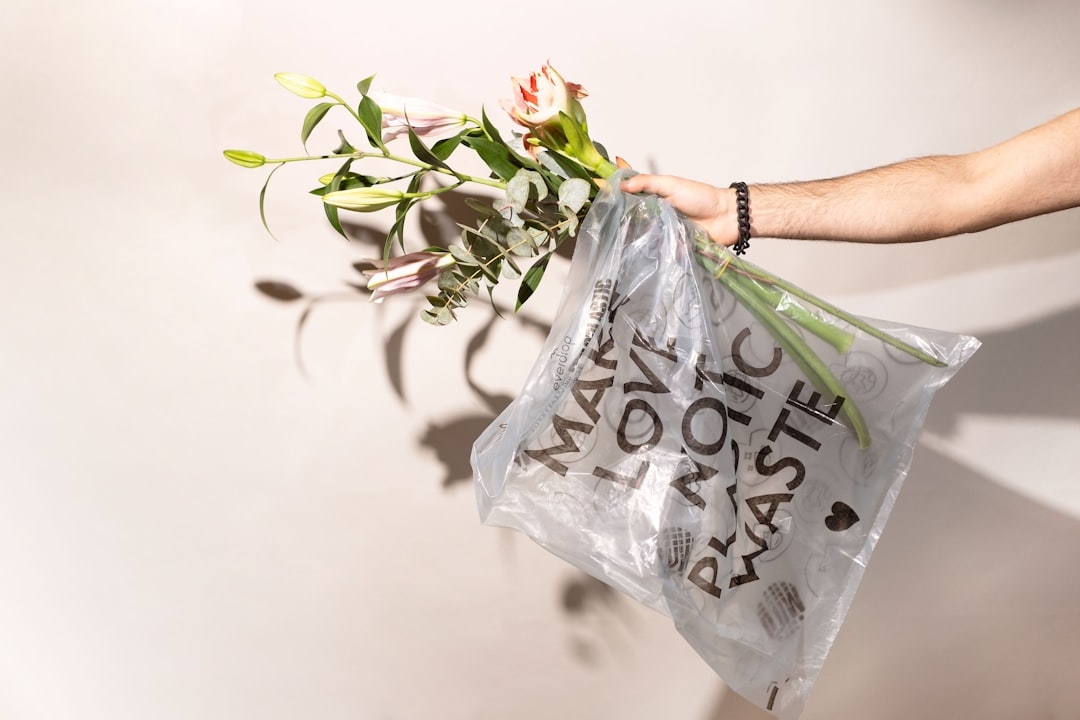
| Packaging | Paper or none | Plastic/cellophane |
| Support | Small/local business | Large corporations |
The Hidden Impact: Sustainability and Community
Buying local flowers isn’t just about your wallet. It supports American farmers, cuts carbon emissions from shipping, and encourages more diverse, pollinator-friendly crops. According to USDA data in 2025, local cut flower farms have grown 22% in five years, with eco-conscious younger buyers leading the charge.
“Every bouquet sold at market helps me keep planting wildflower strips and rotating crops for soil health,” says James Li, founder of Petal Path Farms, California.
FAQ
Why are grocery store flowers more expensive than farmer’s market flowers?
Grocery store flowers often cost more because they go through multiple middlemen–growers, exporters, importers, wholesalers, and retailers. Each step adds markups for transport, handling, and packaging. Farmer’s market flowers are sold directly from the grower to the buyer, avoiding these extra costs.
How long do farmer’s market flowers last compared to store-bought?
Flowers from the farmer’s market are usually cut within 24 hours of sale, so they often last 2-5 days longer than typical store-bought blooms, which may be up to a week old before reaching the shelf.
Are farmer’s market flowers always local and sustainably grown?
Most farmer’s market flowers are grown within about 100 miles of the market, and many small farms use sustainable or organic methods. However, always ask growers about their practices if this is important to you.
Is it ever cheaper to buy flowers from supermarkets than the farmer’s market?
Occasionally, supermarkets run flower “loss leaders” at very low prices to attract shoppers, but these deals are usually on standard varieties and not available year-round. For specialty flowers and freshness, farmer’s market options are often a better value.
How much do you actually save by buying farmer’s market flowers?
Shoppers typically pay 30-50% less per bouquet at the market compared to similar-quality arrangements at supermarkets or online florists like 1-800-Flowers or FTD. In 2026, that’s often a savings of $5-$15 per bunch.
Ready for Your Own Market Bouquet?
Show up early–farmer’s market bouquets sell out fast, especially at the peak of spring and summer. Bring cash or a digital wallet, ask your grower what’s freshest, and try an unfamiliar bloom or two. Supporting local flowers means more color for your home, more dollars for regional farmers, and a more sustainable floral industry–one bouquet at a time.