Contents:
- Why are imported roses cheaper than local roses? (Quick answer)
- The Global Rose Supply Chain: How Roses Get from Farm to Florist
- The Journey of an Imported Rose
- Why Local Roses Cost More
- Higher Labor Costs
- Energy and Infrastructure
- Land and Regulatory Burden
- Domestic Scale vs. Import Scale
- Air Freight: The Hidden Engine Driving Cheap Imported Roses
- High Volume Offsets Cost
- Cold Chain Efficiency
- The Role of American Rose Farms in 2026
- What Local Growers Offer That Imports Can’t
- Why Local Is Often a Luxury
- Imported vs. Local Roses: A Clear Comparison
- The American Consumer’s Dilemma: Price, Ethics, and Quality
- How Florists Navigate Price vs. Value
- Pull-Quote
- FAQ: Why Are Imported Roses Cheaper Than Local?
- How do imported roses stay fresh during long-distance shipping?
- Do imported roses have more chemicals or pesticides?
- Are local roses always better quality than imports?
- How can I tell if my roses are imported or local?
- Will local roses ever be as cheap as imported roses?
- Looking Ahead: Supporting Flower Diversity in the US
Why Imported Roses Are Cheaper Than Local
At any florist’s shop in May or February, roses tend to be the main event: vibrant reds, romantic pinks, and delicate whites–each stem ready to charm. But peek at the price tags and you’ll notice something odd: imported roses, flown thousands of miles from Ecuador or Colombia, are often far less expensive than the fresh-cut stems grown just a few hundred miles away in California. The question isn’t just why; it’s how? Here’s the real story behind why imported roses are cheaper than local ones in the US–and what every flower lover should know before their next bouquet purchase.
Why are imported roses cheaper than local roses? (Quick answer)
Imported roses are usually cheaper than locally grown roses in the US because of lower labor costs abroad, large-scale production efficiency, favorable climates in countries like Ecuador and Colombia, and significant cost savings in land, energy, and regulatory compliance. Mass importation, often by air freight, offsets logistical costs with high volume, driving the per-stem price down. American-grown roses face higher wages, stricter regulations, and expensive greenhouse operations–resulting in higher retail prices.
The Global Rose Supply Chain: How Roses Get from Farm to Florist
The Journey of an Imported Rose
Imported roses usually start their journey on massive farms sprawled across the high-altitude valleys of Ecuador and Colombia. Take the region around Quito, Ecuador: here, the elevation sits around 9,300 feet. These conditions produce roses with thicker stems and larger blooms–a look that US consumers love.
Fact: As of 2026, over 80% of all roses sold in the United States are imported from Colombia and Ecuador (source: US Department of Agriculture).
Once cut, the roses are placed directly into cold storage and transported within hours to airports in Quito or Bogotá. They’re packed into boxes (each holding 250-400 stems), flown overnight to Miami, and cleared through customs. Distributors then truck them to wholesalers, from which florists, supermarkets, and online retailers (like 1-800-Flowers or The Bouqs Co.) purchase them.
> “When I order imported roses, they arrive in my shop just 3-4 days post-harvest–often fresher than some local options that get delayed in regional shipping.”
>
> – Margo Lee, Owner at Petal & Stem, Houston, TX
Why Local Roses Cost More
Higher Labor Costs
In the United States, agricultural workers (including those at flower farms) must be paid at least the federal minimum wage–$7.25/hour, often higher in states like California ($16/hour in 2026). Compare that to Ecuador, where the minimum wage in 2026 is about $2.25/hour, and Colombia, where it’s just under $1.50/hour. This wage gap forms the single biggest price difference for local versus imported roses.
Energy and Infrastructure
American rose farms often rely on heated greenhouses to ensure year-round production. According to Dennis Marsh, Floriculture Growers Association president, “Energy costs for a medium-sized California rose operation now account for roughly 25% of total expenses.” Sunshine and mild equatorial climates give South American growers a huge natural advantage, eliminating most heating costs.
Land and Regulatory Burden
California, the heart of US rose farming, is a notoriously expensive place to do business. Land values in the Central Valley or coastal regions have doubled since 2016. US growers must also follow strict pesticide, water, and labor regulations–each step adding cost, paperwork, or both.
Domestic Scale vs. Import Scale
Imported operations are massive. Individual farms in Ecuador might produce over 100,000 stems per day, supplying global markets. US rose growers tend to be smaller, with less room for the efficiency gains (bulk buying, machine picking, year-round contracts) that supercharge output and lower costs per stem.
US Rose Pricing Snapshot (2026):
| Rose Type | Typical Wholesale Price (per stem) | Reason for Price |
|---|---|---|
| Imported, Ecuador | $0.45-$0.60 | Scale, cheap labor, low energy cost |
| Local, California | $0.95-$1.60 | High wages, energy, strict regulation |
Air Freight: The Hidden Engine Driving Cheap Imported Roses
High Volume Offsets Cost
Air shipping sounds expensive. And it is–if you’re moving just a few dozen bunches. But with the volume that flower importers handle, the per-stem cost shrinks rapidly. By 2026, airlines like Amerijet and LATAM Cargo operate dedicated “flower flights” during peak holidays, moving tens of millions of stems in the week leading up to Valentine’s Day.
A cargo plane from Bogotá to Miami costs roughly $40,000 per trip, but filled to capacity with 250,000 stems, that’s just $0.16 per stem. For big US distributors like Dole Fresh Flowers or Continental Flowers, the economies of scale more than offset the cost–and allow for price competition that local farms struggle to match.
Cold Chain Efficiency
Importers have perfected the “cold chain,” keeping roses chilled from cutting to retail display. This preserves freshness and minimizes waste, further reducing costs and ensuring imported roses arrive as fresh (sometimes fresher) than their domestic counterparts.
The Role of American Rose Farms in 2026
What Local Growers Offer That Imports Can’t
Despite the price advantages of imports, American-grown roses have a loyal market niche:
- Unique Varieties: Many boutique California growers focus on rare colors, garden-style blooms, or perfumed heirloom roses that don’t travel well or aren’t mass-produced abroad.
- Sustainability and Transparency: Locally grown roses often have more transparent supply chains and are certified under programs like USDA Organic or Veriflora.
- Speed and Flexibility: For last-minute weddings or bespoke events, local farms can deliver specialty orders faster than importers can ship.
- Supporting Small Business: Buying local flowers directly supports small family farms and the regional economy.
> “When a bride wants a dozen ‘Koko Loko’ or ‘Distant Drums’ garden roses, only local farms can deliver that quirky, just-picked look.”
>
> – Isabel Nguyen, Head Designer, Brooklyn’s Wildflower Studio
Why Local Is Often a Luxury
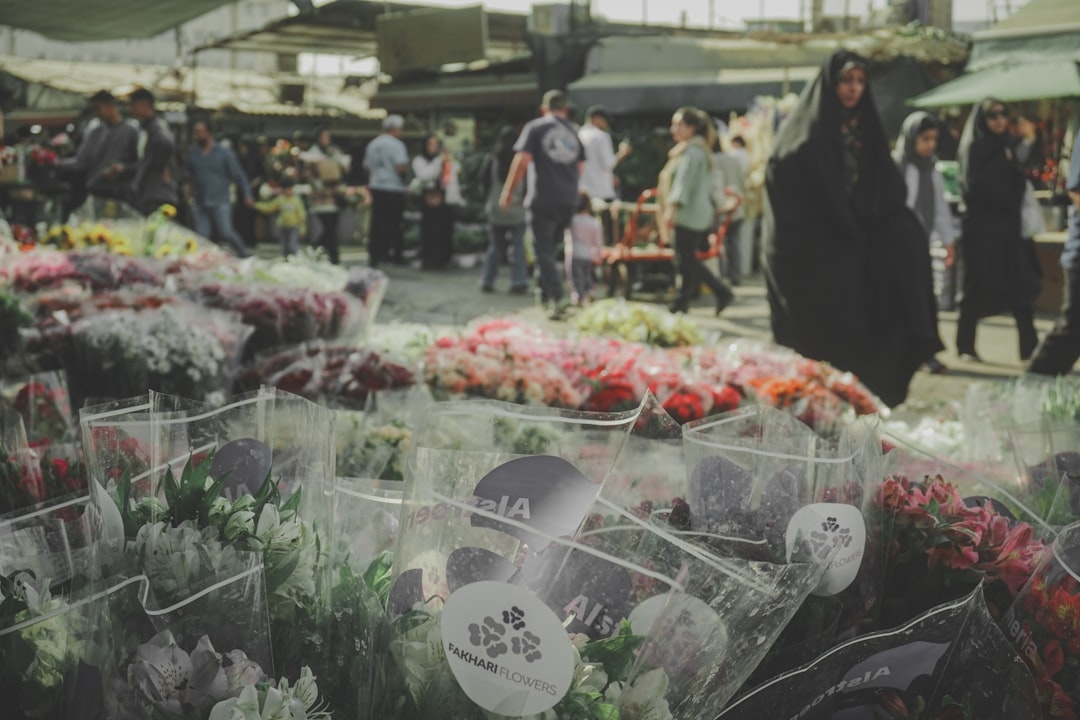
Given the added costs, American roses are marketed as a premium product. They command higher prices at flower shops, Whole Foods, and farmers’ markets. For consumers seeking sustainability, unique aesthetics, or to support US growers, “buying local” is both an ethical and stylistic choice.
Imported vs. Local Roses: A Clear Comparison
| Feature | Imported Roses | Local Roses (US) |
|---|---|---|
| Price per stem | $0.45-$0.60 wholesale | $0.95-$1.60 wholesale |
| Bloom size | Generally larger (esp. Ecuadorian) | More varied, often smaller |
| Availability | Year-round, all major colors | Seasonal, limited quantities |
| Environmental impact | Air miles, unknown pesticide use | Lower carbon footprint, stricter regulation |
| Varieties | Focused on standard/long-stemmed | Includes rare and heirloom types |
| Labor standards | Varies; may be minimal | Strict US regulations |
The American Consumer’s Dilemma: Price, Ethics, and Quality
Every February, Americans collectively buy over 250 million roses. It’s no secret most of those blooms travel thousands of miles to get here. The temptation is strong: why pay $48 for a luxe local dozen when a gleaming imported bouquet is $29 at Kroger or Safeway?
Yet, the hidden costs–environmental impact, labor conditions, loss of local industry–are increasingly weighing on shoppers’ minds. According to a 2026 Harris Insights poll, 37% of US consumers now say they’re “willing to pay extra for locally grown or sustainably sourced flowers,” up from just 22% in 2022.
How Florists Navigate Price vs. Value
Florists in the US have to make daily decisions about sourcing:
- Imported roses make up the bulk of everyday arrangements, especially for national delivery services like FTD or UrbanStems, where price, consistency, and volume matter most.
- Local roses are favored for high-end events, wedding work, or for customers asking specifically for “US-grown.”
“Ultimately, I use both,” says Jasmine Morton, owner of Rose & Laurel Floral in Atlanta. “Imported roses are unbeatable for cost and consistency. But for Mother’s Day or a high-profile event, local garden roses are that special touch you can’t fake.”
Pull-Quote
Imported roses cost less not because they’re lower quality, but because their journey–and everything that supports it–is startlingly efficient and cheap, from labor to logistics.
FAQ: Why Are Imported Roses Cheaper Than Local?
How do imported roses stay fresh during long-distance shipping?
Imported roses are shipped using a “cold chain” system that keeps them refrigerated from the moment they’re cut to when they reach US florists. This reduces spoilage and allows them to arrive as fresh–or fresher–than many domestic roses.
Do imported roses have more chemicals or pesticides?
It depends on the farm. Many imported roses are grown with different pesticide standards than US-grown flowers. Some exporters are certified by third-party organizations like Rainforest Alliance, but overall, US regulations are stricter.
Are local roses always better quality than imports?
Not always. Imported roses from Ecuador and Colombia are prized for their size and color consistency, thanks to ideal growing conditions. Local roses can offer unique varieties and fragrance, but may have shorter vase life or more variable quality.
How can I tell if my roses are imported or local?
Ask your florist or check labeling at farmers’ markets and grocery stores. Supermarkets almost always stock imported roses. Local florists may offer domestic options–especially heirloom or garden-style varieties.
Will local roses ever be as cheap as imported roses?
Unlikely, under current economic and regulatory conditions. Unless US growers can dramatically reduce costs or consumer demand for local flowers skyrockets, imported roses will probably remain the affordable standard.
Looking Ahead: Supporting Flower Diversity in the US
As you pick your next bouquet–whether for Valentine’s Day, a spring birthday, or a “just because” moment–consider mixing it up. Ask your florist what’s in season locally, or combine affordable imported roses with a few special US-grown stems for a truly unique arrangement. Supporting local rose farms, even just for special occasions, helps keep America’s flower industry blooming alongside its global partners.
For those who care about fair wages, sustainability, and variety, your flower choices matter. The price tag tells one story, but the bouquet you bring home can say a lot more.