Contents:
- Which Indoor Flowers Are Best for Allergy Sufferers? (Direct Answer)
- Why Do Some Flowers Trigger Allergies Indoors?
- Top Allergy-Friendly Indoor Blooms
- Orchids: The Ultimate Hypoallergenic Flower
- Roses: Classic and Surprisingly Safe
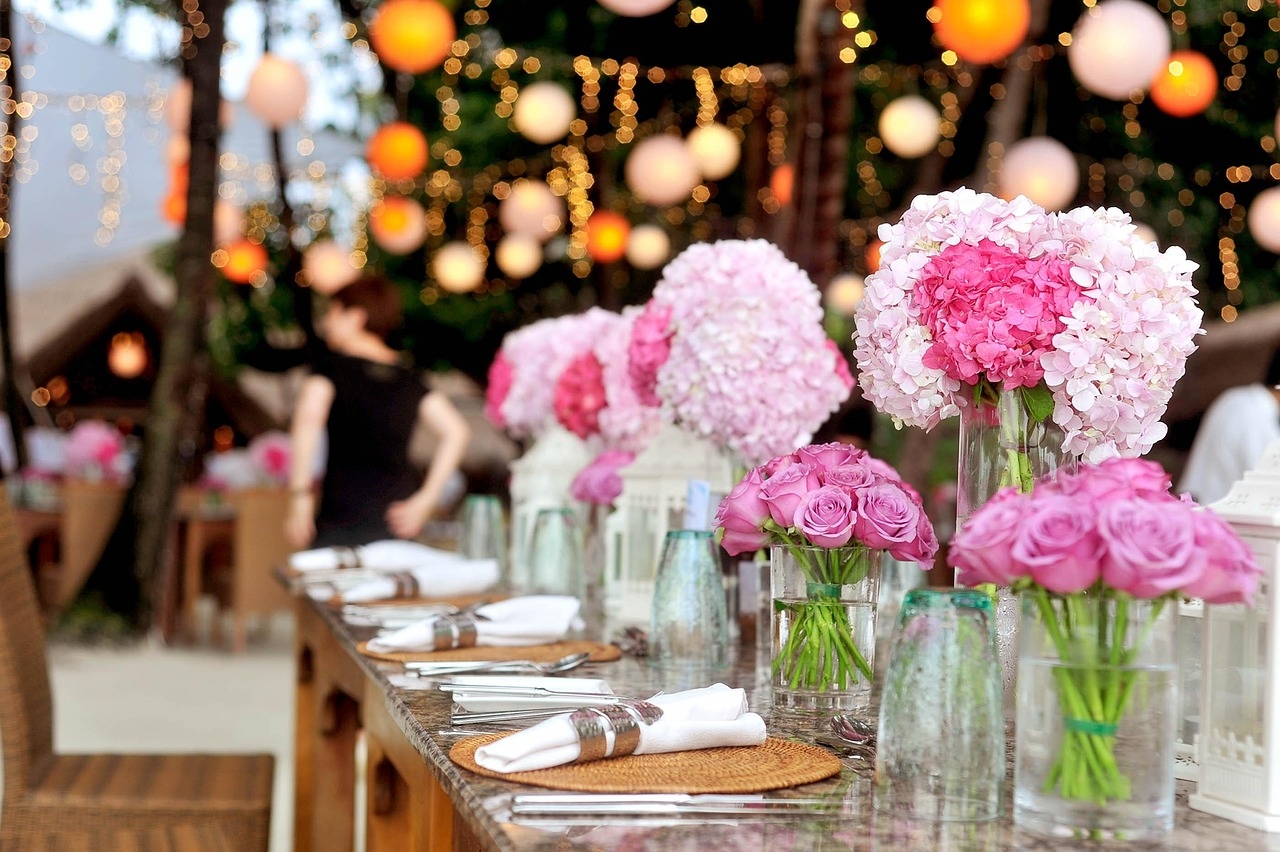
- Hydrangeas: Big, Bold, and Low-Pollen
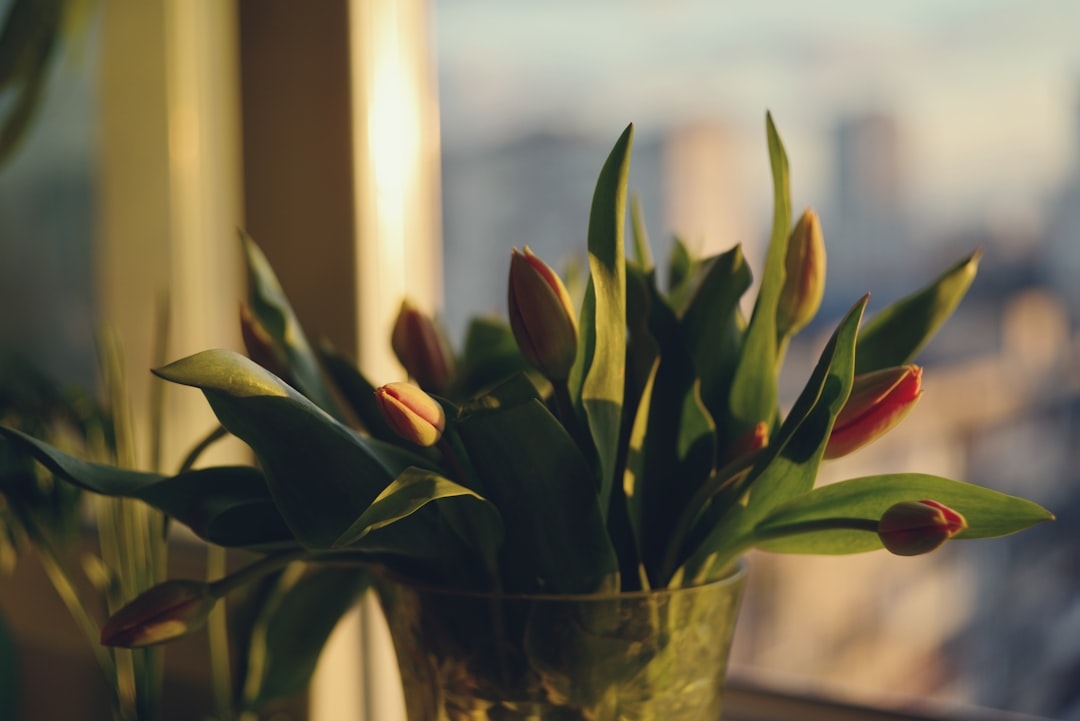
- Tulips: Spring Beauty, Minimal Sneeze Factor
- Begonias and African Violets: For Colorful, Compact Spaces
- Peace Lilies: Sleek and Air-Cleansing
- Flowers Allergy Sufferers Should Avoid
- Tips for Allergy-Free Flower Arrangements
- Choose Wisely, Arrange Smart
- Keep Arrangements Clean
- Go Beyond Fresh Cuts: Consider Silk or Preserved Blooms
- FAQ: Allergy-Friendly Flowers Indoors
- What are the safest flowers for people with pollen allergies?
- Can people with severe allergies keep any fresh flowers inside?
- Are artificial flowers a good alternative for allergy sufferers?
- Why do some flowers with little scent still cause allergies?
- Do flower shops in the US offer allergy-friendly bouquets?
Best Flowers for Allergy Sufferers Indoors
A vase of fresh flowers can transform a room, but for millions of Americans, a bouquet comes with a catch: sneezing, itchy eyes, or a tickle in the throat. According to the Asthma and Allergy Foundation of America, nearly 26 million adults in the U.S. report seasonal or indoor allergies. The good news? Plenty of stunning blooms exist that won’t set off an allergy storm in your home.
Which Indoor Flowers Are Best for Allergy Sufferers? (Direct Answer)
The best indoor flowers for allergy sufferers are those with low pollen counts, heavy or sticky pollen (less likely to become airborne), and little to no scent. Top choices in 2026 include orchids, hydrangeas, roses, tulips, begonias, violets, and hypoallergenic hybrids like “Peace” lilies. For minimal allergy risk, source flowers from local florists such as UrbanStems or The Bouqs Co., and always select blooms labeled as low-pollen or allergy-friendly.
Quick List: Most Allergy-Friendly Indoor Flowers
- Orchid (Phalaenopsis, Dendrobium)
- Hydrangea
- Rose (especially tight-budded)
- Tulip
- Begonia
- African violet
- “Peace” lily (Spathiphyllum)
Why Do Some Flowers Trigger Allergies Indoors?
Not all flowers are created equal when it comes to pollen. Dr. Karen Sutherland, horticulturist and founder of Bloom Allergy Labs, explains:
“Airborne pollen is the usual culprit. Flowers pollinated by wind, like daisies or sunflowers, can spread microscopic grains through your entire home.”
Key Factors Affecting Allergic Reactions:
| Factor | High-Allergy Risk | Low-Allergy Risk |
|---|---|---|
| Pollen Count | High (e.g., lilies) | Low (e.g., orchids) |
| Pollen Texture | Light, dry, airborne | Heavy, sticky, non-airborne |
| Scent | Strong, overpowering | Mild or unscented |
| Pollination Type | Wind-pollinated | Insect/self-pollinated |
Remember, even if a flower is technically low in pollen, it can collect environmental allergens like dust or pet dander, so regular care matters too.
Top Allergy-Friendly Indoor Blooms
Orchids: The Ultimate Hypoallergenic Flower
Orchids rank among the safest floral gifts for allergy sufferers. Phalaenopsis (the “moth orchid”) is the star here–long-lasting, dramatic, and with pollen so sticky it rarely becomes airborne. According to data from the American Orchid Society, the majority of U.S. commercial orchids are bred specifically for home environments.
- Longevity: Blooms last 2-3 months indoors.
- Typical Price: $20-$50 via florists like 1-800-Flowers in 2026.
- Care: Indirect light, occasional watering.
Roses: Classic and Surprisingly Safe
A rose by any other name might still smell sweet, but most modern roses grown for American florists (especially tight-budded or “tea” varieties) release very little pollen.
- Tip: Avoid wild or garden roses with open stamens.
- Best for Allergies: Hybrid tea roses, miniature roses.
- Fun Fact: The majority of U.S. commercial roses in 2026 are grown hydroponically, reducing environmental allergens.
Hydrangeas: Big, Bold, and Low-Pollen
Hydrangeas are a favorite among interior decorators for a reason. They boast large, fluffy heads but release negligible pollen.
- Varieties: Mophead (Hydrangea macrophylla), Oakleaf, and Panicle.
- Colors: Blue, pink, white, and green varieties.
- Allergy Score: 9/10 according to Dr. Sutherland’s 2026 Allergy-Friendly Index.
Tulips: Spring Beauty, Minimal Sneeze Factor
Tulips are iconic for spring and are usually safe unless you have a rare tulip-specific allergy.
- Bloom Season: January-May in the U.S.
- Pollen: Inside petals, not easily airborne.
Begonias and African Violets: For Colorful, Compact Spaces
These two are indoor staples, beloved for constant color and almost nonexistent pollen. African violets are especially great for desktops and window sills.
- Watering: Avoid getting leaves wet to prevent mold.
- Pots: Try self-watering planters like those from Lechuza for $25-$40.
Peace Lilies: Sleek and Air-Cleansing
Peace lilies (Spathiphyllum) are technically not lilies (which are highly allergenic!) and produce minimal pollen. They also filter out airborne toxins–a two-for-one win for your airways.
- Caution: Toxic to pets. Keep out of reach.
Flowers Allergy Sufferers Should Avoid
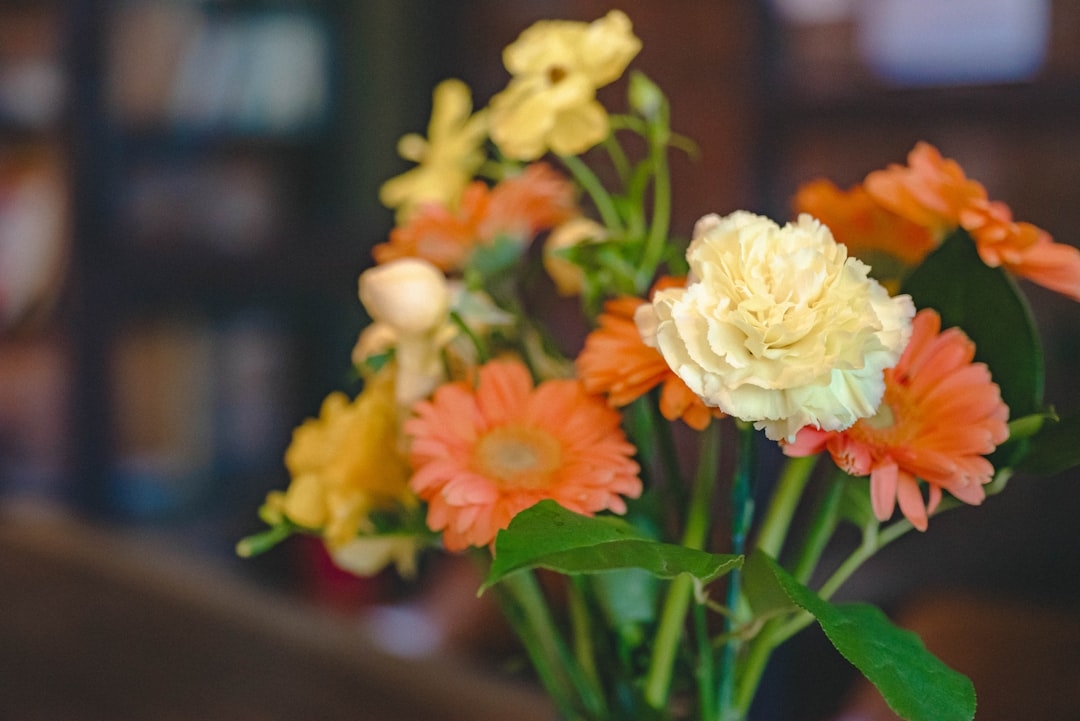
Not all beautiful blooms are benign. Asthma & Allergy Foundation of America lists these as common triggers indoors:
- Lilies (including Easter, Asiatic, and Stargazer)
- Daisies and sunflowers
- Chamomile (even as cut flowers)
- Baby’s breath
- Chrysanthemums
Avoid heavily scented flowers, as perfumes and volatile organic compounds can irritate sensitive noses even without pollen.
<blockquote>
“Hydrangeas and orchids are my go-to recommendations for clients with severe allergies. The difference in comfort is night and day.”
– Nicole Mendoza, Lead Designer, Seattle Florist Co.
</blockquote>
Tips for Allergy-Free Flower Arrangements
Choose Wisely, Arrange Smart
- Buy from reputable U.S. florists or grocers like Trader Joe’s, Whole Foods, or online flower delivery services that label allergy-friendly options.
- Avoid mixed bouquets with unknown fillers–baby’s breath is a common sneaky trigger.
- Prefer closed-budded flowers over open, pollen-laden blooms.
Keep Arrangements Clean
- Change vase water every 2-3 days.
- Rinse stems of flowers before arranging.
- Dust leaves/flowers gently; use a microfiber cloth.
Go Beyond Fresh Cuts: Consider Silk or Preserved Blooms
Modern silk flowers from brands like Nearly Natural ($35-$120 per arrangement) are hyper-realistic and completely pollen-free. For a sustainable option, try preserved real flowers–Eternal Fleur and The Million Roses offer allergen-free bouquets that last a year or longer.
FAQ: Allergy-Friendly Flowers Indoors
What are the safest flowers for people with pollen allergies?
The safest indoor flowers for people with pollen allergies include orchids, hydrangeas, tulips, roses (especially tight blooms), begonias, and African violets. Their low or non-airborne pollen makes them ideal for sensitive individuals.
Can people with severe allergies keep any fresh flowers inside?
Yes, people with severe allergies can enjoy certain fresh flowers indoors by choosing low-pollen varieties, keeping blooms clean, and avoiding fragrant or wind-pollinated species. Always monitor symptoms and consult an allergist if unsure.
Are artificial flowers a good alternative for allergy sufferers?
High-quality artificial flowers are an excellent, zero-pollen option for allergy sufferers. Look for silk or preserved flower arrangements, and dust them regularly to minimize other allergens.
Why do some flowers with little scent still cause allergies?
Allergic reactions are caused by pollen, not necessarily scent. Some unscented flowers release a lot of pollen, while many fragrant ones are allergy-friendly thanks to heavy, non-airborne pollen.
Do flower shops in the US offer allergy-friendly bouquets?
Yes, many U.S. florists and national delivery services (like The Bouqs Co. or UrbanStems) offer labeled, allergy-friendly bouquets. Ask about pollen content and avoid arrangements with known trigger flowers.
Even if you’re sneeze-prone, it’s possible to fill your home with color and life. Next time you pick flowers for yourself or a loved one, remember: a simple switch can mean the difference between sniffles and serenity. For a truly stress-free experience, ask your local florist for a “hypoallergenic bouquet”–they’ll know just what to design.
Try one of these allergy-friendly flowers this week and see how welcoming nature into your space can be, minus the tissues.