Contents:
- Quick Reference: Which Edible Flowers are Safe and Flavorful?
- Why Chefs Are Falling for Edible Flower Garnishes
- Choosing and Using Edible Flowers Safely
- Safety First: What’s Edible, What’s Not
- Storing and Handling
- Flavor, Color, and Texture–More Than a Pretty Face
- Flavor Notes by Flower
- Texture Considerations
- Dos and Don’ts: Plating Edible Flowers with Style
- Garnish Dos
- Garnish Don’ts
- Sourcing Edible Flowers: US Suppliers and Pricing in 2026
- Where to Buy
- Local/Seasonal Sourcing
- DIY Growing
- 5 Chef-Approved Flower Garnish Pairings
- FAQ: Edible Flower Garnishes for Chefs (2026)
- What are the most popular edible flowers used by chefs in the US?
- Can I use flowers from my florist or garden center as edible garnishes?
- Are all flowers safe to eat?
- How should edible flowers be stored and handled in a restaurant setting?
- Do edible flowers really add flavor, or are they just for looks?
- Moving Forward: Experiment and Invent
Edible Flower Garnish Guide for Chefs
Borage blossoms scattered over an heirloom tomato salad. Nasturtium petals tucked beside a scallop crudo. In 2026, edible flowers aren’t just for pastry. Chefs across the US–from Michelin-starred kitchens in New York to boutique caterers in Seattle–are using floral garnishes to add bold color, subtle aromatics, and unexpected flavors to both sweet and savory plates. There’s a reason Instagram is flush with pansies and marigolds: edible flowers captivate the eye and the palate. But which blooms are safe? Which truly taste good? And how do you source them reliably?
Quick Reference: Which Edible Flowers are Safe and Flavorful?
Here’s the chef-approved list of safe, flavorful edible flowers you can garnish with in 2026:
| Flower | Taste Profile | Common Dishes | Caution |
|---|---|---|---|
| Nasturtium | Peppery, watercress | Salads, seafood | Use flowers/leaves only |
| Viola/pansy | Mild, grassy, sweet | Desserts, cocktails | No known toxins |
| Borage | Cucumber-like | Salads, drinks | Avoid stems |
| Marigold | Citrus, slightly bitter | Salsa, rice dishes | Tagetes only, avoid calendula varieties |
| Chive blossom | Mild onion | Eggs, butter, soups | Remove stalk |
| Rose (organic) | Floral, perfumed | Jam, desserts | Use petals only |
| Squash blossom | Delicate, vegetal | Stuffed, fried | Harvest early |
| Lavender | Floral, sweet-savory | Syrups, meats | Use English lavender, limit quantity |
Never assume all flowers are edible.
Always source from reputable growers or brands like Fresh Origins or Gourmet Sweet Botanicals, not your local florist (they probably use pesticides). Taste test before plating.
Why Chefs Are Falling for Edible Flower Garnishes
Edible flower garnishes have exploded in popularity. As of 2026, Google searches for “edible flowers” have tripled since 2022, according to a report from the US-based Culinary Institute of America. There’s good reason. Flowers offer a rare combination of visual drama and nuanced flavors you simply can’t mimic with herbs, microgreens, or citrus zest.
Chefs like Carla Jennings, executive chef at Boston’s Petal & Vine, swear by the impact of a well-placed viola:
“A single viola on a lemon tart draws the eye and prepares the guest for a gentle, grassy sweetness–think of it as a visual amuse-bouche.”
Plus, as fine diners chase photogenic plates, flowers have become signature flourishes. Menus call them out directly–think “Farm Egg Omelet with Chive Blossom Garnish” or “Hibiscus-Kissed Gin & Tonic.”
Choosing and Using Edible Flowers Safely
Safety First: What’s Edible, What’s Not
Never use flowers from unspecified sources. Many common ornamentals–like lilies, foxgloves, and oleanders–are highly toxic. Only certain varieties are fit for the table, and even those should be grown without pesticides or chemical sprays.
How to Source
- USDA-Certified Organic Farms: Look for domestic growers offering certified edible flowers. In 2026, Fresh Origins (CA), The Chef’s Garden (OH), and Gourmet Sweet Botanicals (CA) have maintained the highest safety records.
- Restaurant Wholesale Suppliers: Many US foodservice suppliers (e.g., Baldor, Chef’s Warehouse) carry edible flowers as specialty items.
- Grow Your Own: For hyper-local flavor, chefs are growing borage, nasturtium, and violas on rooftop gardens or in kitchen planters.
Pro Tip:
Florist flowers can harbor systemic pesticides that are unsafe for consumption–never substitute these for food-grade blooms.
Storing and Handling
- Store edible flowers in the original clamshell, lightly wrapped in damp paper towels, inside the fridge (optimal temp: 36-40°F).
- Use within 2-4 days of harvest for peak freshness.
- Gently rinse under cold water or mist with filtered water to remove debris.
Flavor, Color, and Texture–More Than a Pretty Face
Edible flowers span a shocking range of tastes, from bright pepperiness to honeyed sweetness, and their colors can be electric.
Flavor Notes by Flower
- Nasturtium: Vibrant orange, red, or yellow. Peppery like arugula; great on beef carpaccio or citrus salads.
- Borage: Blue star-shaped flowers. Tastes like fresh cucumber; drop into gin cocktails or summer soups.
- Chive Blossom: Pale purple. Mild onion-wild garlic note; float on soups or sprinkle on deviled eggs.
- Marigold (Tagetes): Bright gold. Citrusy and a little bitter; use in Latin-American rice or as contrast in ceviche.
- Rose Petal: Blush pink to deep red. Delicate, perfumed; classic on cakes or stirred into granulated sugar.
“Chive blossoms are my go-to for egg dishes–just a hint of allium, and the color pops,” says florist and food stylist Maribel Torres, who sources from her own pesticide-free garden in Oregon.
Texture Considerations
Some flowers are soft and can be pressed or sugared (violas, pansies). Others, like borage or marigolds, have a firmer texture that stands up well in salads or as floating cocktail garnishes.
Dos and Don’ts: Plating Edible Flowers with Style
Garnish Dos
- Use restraint: Two or three blooms per plate is often enough. A scattering of petals looks intentional and elegant.
- Pair by color and flavor: Match yellow marigolds with yellow beets, or nasturtiums with peppery greens.
- Consider the whole plant: Nasturtium leaves are edible and as visually interesting as the flowers.
Garnish Don’ts
- Avoid wilting: Plate just before serving, and never let blooms sit under hot lights.
- Don’t overpower: Use bold flavors like lavender or rosemary flowers sparingly–they can dominate the dish.
- Skip stems and sepals: These are often tough or bitter.
Pull-Quote:
“A flower garnish isn’t just an extra–it should highlight or echo an element of the dish,” notes chef Dale Matsuda (Culinary Institute of America, Lead Instructor).
Sourcing Edible Flowers: US Suppliers and Pricing in 2026
Where to Buy
- Fresh Origins (California): National leader in microgreens and edible flowers, offering over 30 varieties. A 50-count clamshell costs around $18 in June 2026.
- The Chef’s Garden (Ohio): Specialty mixes for restaurants–seasonal blends available May-October, $17-$22 per box.
- Gourmet Sweet Botanicals: Known for rare blooms like buzz buttons and hibiscus; they ship nationwide via overnight delivery.
Local/Seasonal Sourcing
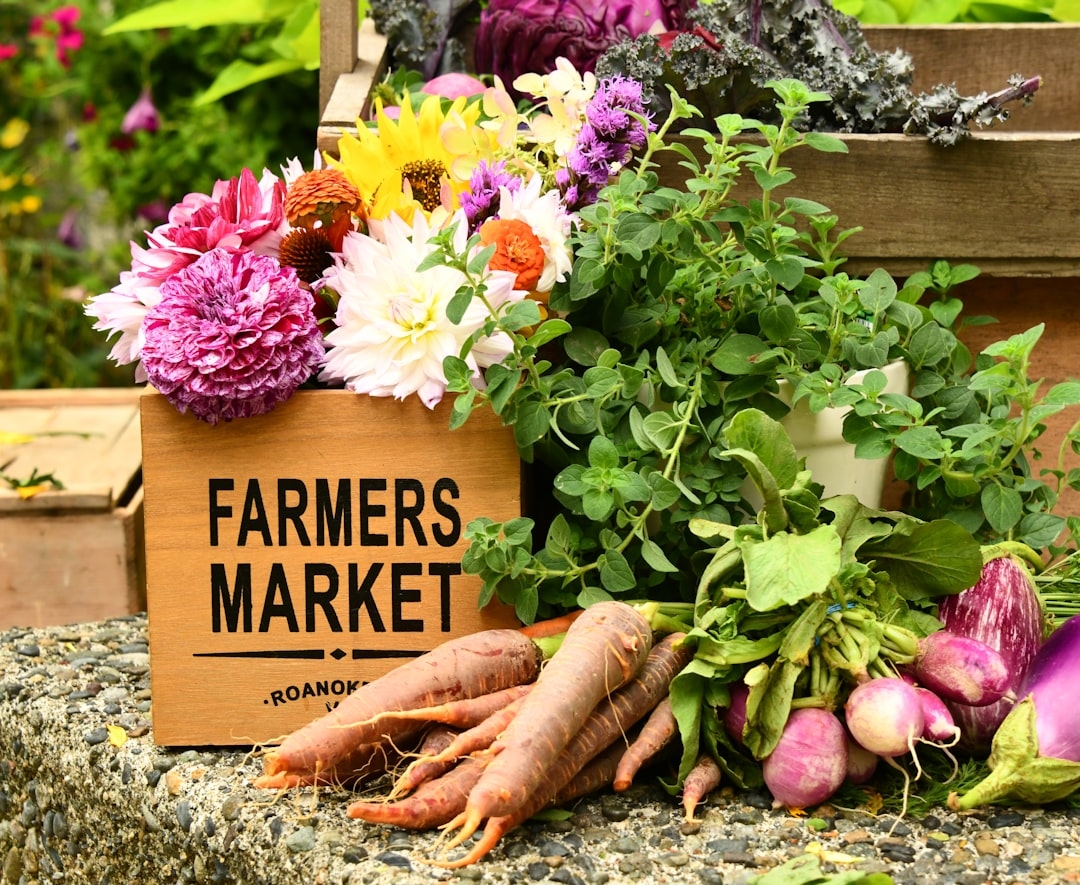
- Farmers markets are increasingly carrying edible blooms–especially in states like California, Oregon, and New York.
- Some chefs contract with local flower farms for weekly deliveries (typical price: $12-$20 per pint).
DIY Growing
Fast-growing options like nasturtium, calendula, and borage can be direct-sown in most US planting zones. Starter kits and seeds are widely available from American brands like Botanical Interests or Johnny’s Selected Seeds.
5 Chef-Approved Flower Garnish Pairings
- Pan-seared scallops with nasturtium petals and pea shoots
- Strawberry shortcake with candied viola, micro lemon verbena, and rose petal dust
- Chilled cucumber soup topped with borage and chive blossoms
- Aged cheddar mac & cheese with crispy sage and marigold petals
- Gin & tonic with floating lavender sprig and lime wheel
FAQ: Edible Flower Garnishes for Chefs (2026)
What are the most popular edible flowers used by chefs in the US?
Nasturtium, violas/pansies, chive blossoms, borage, marigolds (Tagetes), squash blossoms, rose petals, and lavender are widely used in 2026. Their color, unique flavor, and safety for foodservice make them chef favorites across American restaurants.
Can I use flowers from my florist or garden center as edible garnishes?
No. Florist and garden center flowers are often grown with pesticides and fungicides not approved for food use. Only use flowers labeled as edible and grown specifically for culinary purposes, from trusted food suppliers or your own untreated garden.
Are all flowers safe to eat?
No. Many common garden flowers and ornamentals are toxic or poisonous. Never use flowers unless verified edible and sourced from a reputable, food-safe supplier. Stick to chef-approved varieties like nasturtium, pansy, borage, marigold, chive, rose, squash blossom, and lavender.
How should edible flowers be stored and handled in a restaurant setting?
Store edible flowers in the fridge (36-40°F), wrapped gently in damp paper towels inside sealed containers. Use within 2-4 days for maximum freshness. Gently rinse or mist before plating.
Do edible flowers really add flavor, or are they just for looks?
The best edible flowers add both flavor and visual appeal. Nasturtiums are peppery, chive blossoms have a mild onion taste, borage is cucumber-y, and marigolds are citrusy. Choosing the right flower can enhance or echo elements of your dish.
Moving Forward: Experiment and Invent
Don’t just sprinkle petals and call it a day. Try infusing syrups with violets, pressing pansies into soft cheese, or even pickling daylily buds (make sure you ID them correctly!). Experiment with local, seasonal flowers from your region, and work with trusted growers to develop personalized edible blends. In 2026, an imaginative edible flower garnish isn’t just trendy–it’s a signature move that sets your plates apart in a crowded, competitive scene.