Contents:
- Quick Facts: What is Alstroemeria? (Featured Snippet)
- Why Florists (and Homeowners) Love Alstroemeria
- Types, Colors, and Varieties
- Common Species & Hybrids
- Unique Patterns
- How to Grow Alstroemeria in the US
- Planting Tips
- Overwintering Concerns
- Home Gardening Stats
- Arranging and Caring for Cut Alstroemeria
- How to Keep Alstroemeria Fresh
- Perfect Pairings
- Florist’s Trick
- Alstroemeria Meaning & Occasions
- Symbolism & Gifting
- Fun Fact
- Alstroemeria vs. Other Popular Cut Flowers
- Where to Buy Alstroemeria in the US
- FAQ: Alstroemeria in the US (2026)
- How long does alstroemeria last in a vase?
- Is alstroemeria poisonous to pets?
- Can I grow alstroemeria indoors?
- Why are my alstroemeria leaves turning yellow?
- When is alstroemeria in season in the US?
- Try Alstroemeria for Your Next Arrangement
Everything You Need to Know About Alstroemeria
Walk into most American florists in 2026 and you’ll spot those colorful, speckled blooms that seem to last forever in a vase. That’s alstroemeria–the unsung hero of bouquets and supermarket bunches nationwide. Sometimes called the Peruvian lily or lily of the Incas, this flower combines exotic looks with surprising practicality.
Quick Facts: What is Alstroemeria? (Featured Snippet)
Alstroemeria is a long-lasting cut flower native to South America, especially Chile and Brazil. Known for its trumpet-shaped blooms, it’s popular in floristry for its wide color range (pink, orange, white, red, lavender, yellow), affordability (typically $1-$2 per stem in the US), and impressive vase life of up to 2 weeks. Unlike true lilies, alstroemeria is not toxic to pets and has no fragrance, making it allergy-friendly and versatile for arrangements.
Why Florists (and Homeowners) Love Alstroemeria
Ask any experienced florist–like Jessica Green, head designer at Seattle’s Urban Stem Studio–and you’ll get a practical answer: “Alstroemerias are the backbone of reliable bouquets.” Here’s why:
- Extra-long vase life: Cut stems easily last 10-14 days with fresh water.
- Budget-friendly: For under $15, US shoppers can pick up a mixed bunch at Kroger, Trader Joe’s, Whole Foods, or order them online from services like The Bouqs Co. or UrbanStems.
- Colors for every design: From subtle pastels to saturated magentas, there’s a shade to fit romantic, rustic, or vibrant aesthetics.
- Stems with a full look: Multiple blooms per stem (often 4-6) mean even a small bunch fills a vase.
- Minimal scent: No overwhelming fragrance–ideal for hospital rooms or allergy-prone households.
“Alstroemeria can outlast roses and tulips in mixed bouquets, making them a favorite for event work and everyday arrangements.”
– Jessica Green, Head Designer, Urban Stem Studio
Types, Colors, and Varieties
Common Species & Hybrids
The most common alstroemeria found in American shops is Alstroemeria aurea or hybrid cultivars bred for size and color range. Breeders like Ball Horticultural Company and Florigene have introduced new hues almost yearly since 2020.
| Type/Variety | Notable Color(s) | Typical Use | Availability (US) |
|---|---|---|---|
| Alstroemeria ‘Inca’ | Red, orange, yellow | Bouquets, events | Year-round |
| Alstroemeria ‘Princess’ | White, pink, lavender | Weddings, gift | Year-round |
| Alstroemeria ‘Indian Summer’ | Orange-bronze | Seasonal/autumn | Aug-Nov, limited |
Unique Patterns
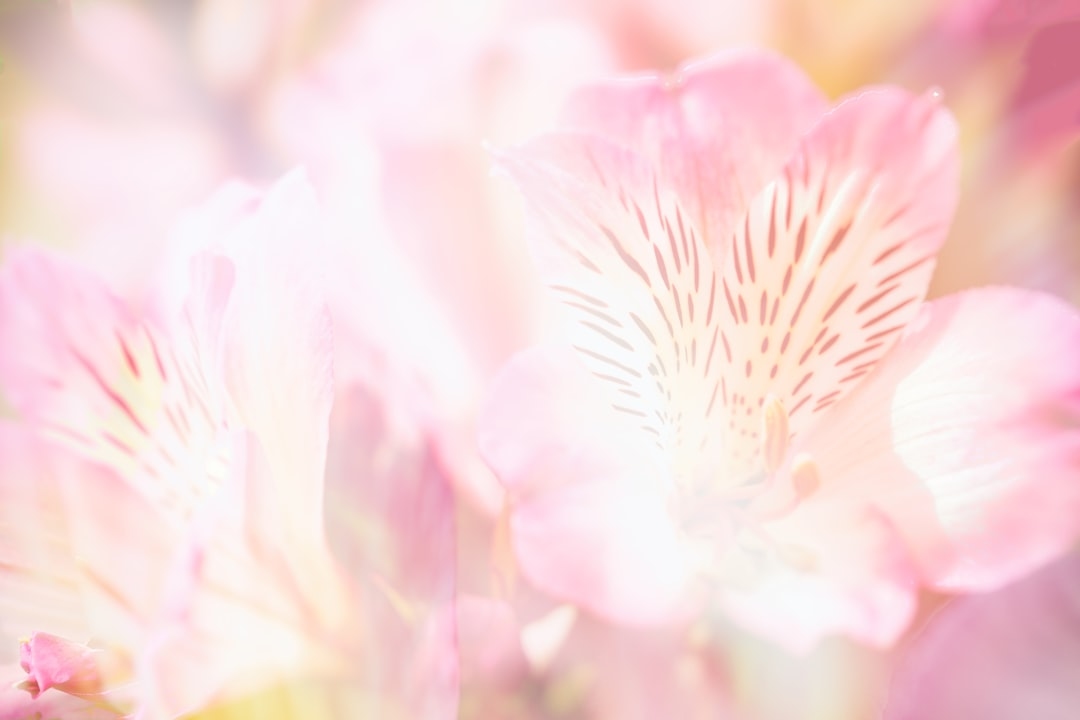
- Freckled petals are a hallmark–look closely and you’ll see “brushstrokes” that add dimension.
- Bi-color varieties, like pink-and-yellow or white-and-lilac, bring extra visual interest.
How to Grow Alstroemeria in the US
Alstroemeria isn’t just a florist’s flower. With the right conditions, it can flourish in American gardens and even as a perennial in USDA zones 7-10.
Planting Tips
- Sunlight: Prefer partial sun, especially in hot New Mexico, Texas, or California summers.
- Soil: Well-drained, slightly acidic to neutral (pH 6-7).
- Spacing: Plant tubers 12-18 inches apart; depth about 6 inches.
- Watering: Keep consistently moist but not soggy. California growers report best results with drip irrigation.
Overwintering Concerns
Northern gardeners (zones 6 and below) often treat alstroemeria as an annual or dig up tubers and store indoors. Use 2-3 inches of mulch in fall to insulate roots against winter chill.
Home Gardening Stats
According to the 2026 American Horticultural Society’s survey, over 150,000 US households started growing alstroemeria between 2021-2026, with most common in California, Oregon, and Florida.
Arranging and Caring for Cut Alstroemeria
How to Keep Alstroemeria Fresh
- Strip leaves below the waterline to prevent rot.
- Trim stems at a 45-degree angle.
- Use flower food (those little packets, or mix your own: 1 quart water + 1 tsp sugar + tiny pinch of bleach).
- Change water every 2-3 days.
Perfect Pairings
- With roses: For a classic “romance meets longevity” bouquet.
- With mums or sunflowers: Bright, cheery arrangements.
- With eucalyptus or ruscus: Soft greens for a modern, airy look.
Florist’s Trick
Some pros recommend gently pulling off wilted outer petals to extend display life. “Alstroemeria blooms open in sequence, so a little maintenance gives you a fresh-looking vase for up to two weeks,” says Luis Fernandez, owner of Dallas Bloom Studio.
Alstroemeria Meaning & Occasions
Symbolism & Gifting
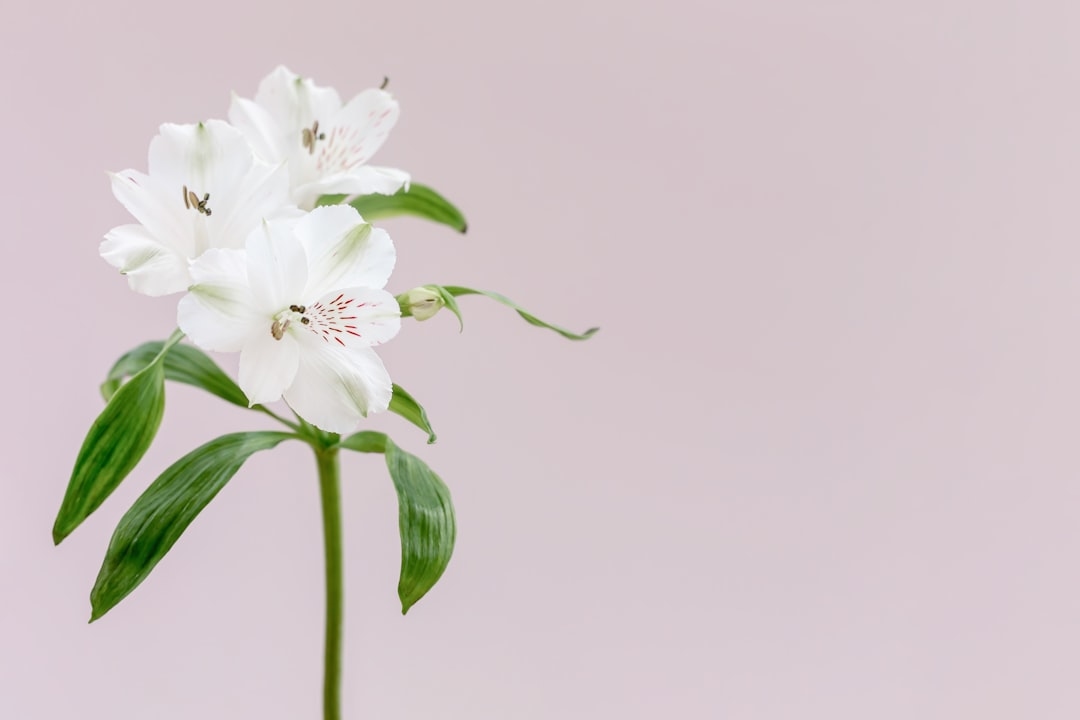
In Victorian floriography, alstroemeria stands for devotion, friendship, and prosperity. Modern gifting trends in the US often use them for birthdays, thank-yous, and sympathy bouquets, but also in wedding work–especially in mixed garden-style arrangements.
Fun Fact
Alstroemeria is the official flower of Friendship Day in several South American cultures, which has resonated with younger American buyers looking for “meaningful” blooms (Pinterest search data, Q1 2026).
Alstroemeria vs. Other Popular Cut Flowers
| Flower | Vase Life (days) | Fragrance | Pet Safe | Typical Price/Stem (USD) |
|---|---|---|---|---|
| Alstroemeria | 10-14 | None | Yes | $1-$2 |
| Rose | 5-10 | Varied | No | $2-$4 |
| Tulip | 5-7 | None | Yes | $1-$2 |
| Lily (Oriental) | 7-12 | Strong | No | $2-$3 |
| Carnation | 14-21 | Light | Yes | $0.75-$1.5 |
Pull-quote:
“Few flowers give you as much color for your dollar as alstroemeria.”
– Luis Fernandez, Dallas Bloom Studio
Where to Buy Alstroemeria in the US
- Local Florists: Most carry year-round due to their popularity.
- Grocery Chains: Trader Joe’s, Whole Foods, Kroger, Safeway.
- Online Services: The Bouqs Co., 1800Flowers, UrbanStems, Farmgirl Flowers (prices: $35-$60/bouquet, as of 2026).
- Wholesale: Sam’s Club, Costco, FiftyFlowers for DIY events (bulk: $55-$80/50 stems).
Tip: Prices peak around major floral holidays (Valentine’s Day, Mother’s Day), so buy early for the best selection.
FAQ: Alstroemeria in the US (2026)
How long does alstroemeria last in a vase?
Alstroemeria typically lasts 10-14 days in a vase if you change the water every few days and trim the stems. Some florists report up to 3 weeks with daily care.
Is alstroemeria poisonous to pets?
No, alstroemeria is not toxic to cats or dogs, making it a popular choice for pet-friendly households in the US.
Can I grow alstroemeria indoors?
Yes, alstroemeria can be grown indoors in containers with bright indirect light and regular watering. Choose a dwarf variety for the best results.
Why are my alstroemeria leaves turning yellow?
Yellowing leaves can indicate overwatering, poor drainage, or natural dieback after blooming. Ensure soil isn’t waterlogged and allow for good air circulation.
When is alstroemeria in season in the US?
Grown commercially in greenhouses, alstroemeria is available year-round, but peak local outdoor blooms in the US occur from late spring through early fall (May-September).
Try Alstroemeria for Your Next Arrangement
With all the facts on your side, there’s never been a better time to bring home a bunch of alstroemeria–or add them to your garden. Next time you need a long-lasting mood boost or a versatile, pet-friendly bouquet, reach for these vibrant beauties. Challenge yourself: pick up a mixed bunch, try styling it with something unexpected, and see how alstroemeria wins its place as your new favorite flower.