Contents:
- Quick Answers: Hydrangeas 101
- A Brief History of Hydrangeas
- Types of Hydrangeas Grown in the US
- Why Hydrangea Color Changes (and How to Hack It)
- How Soil pH Affects Hydrangea Color
- Growing and Caring for Hydrangeas in the US
- Ideal Site and Planting Tips
- Watering and Mulching
- Fertilizing
- Pruning by Type
- Hydrangeas in Floristry: From Bouquets to Weddings
- Why Florists Love Hydrangeas
- Best Practices for Cut Hydrangeas
- Hydrangeas for Small Spaces, Containers, and Urban Gardens
- Top Picks for Compact Spaces
- Common Problems (and How to Fix Them)
- FAQ: Hydrangeas in 2026
- How long do hydrangeas live?
- Can I grow hydrangeas indoors?
- Are hydrangeas toxic to pets?
- When is the best time to plant hydrangeas?
- How much do hydrangeas cost at a florist in the US?
Everything You Need to Know About Hydrangeas
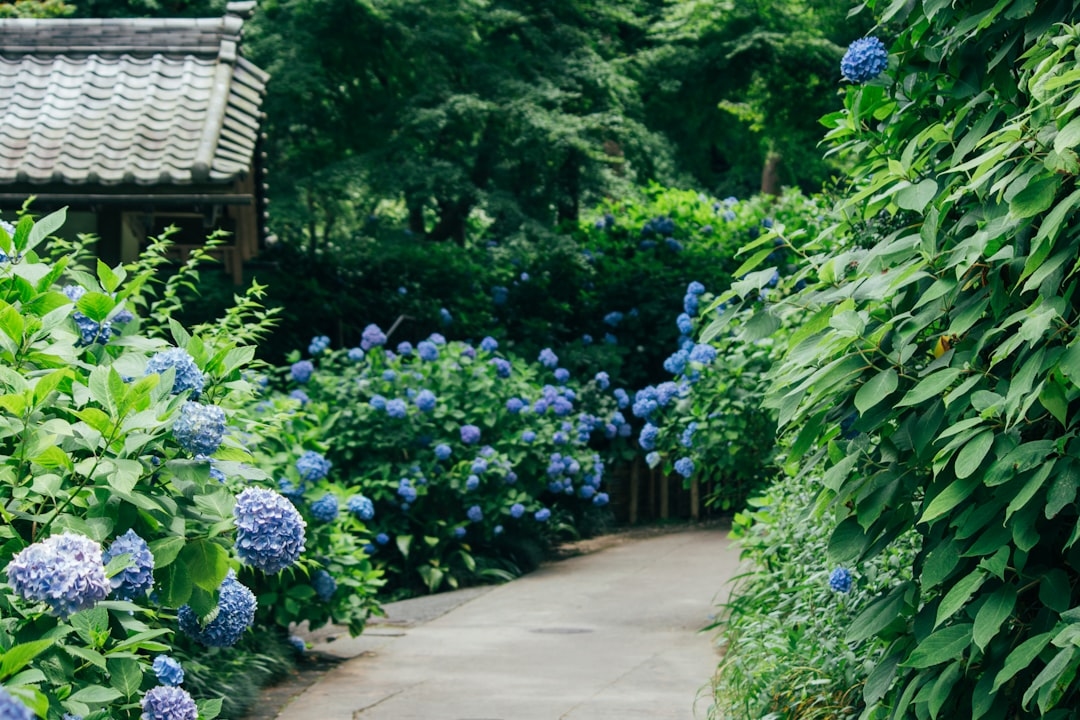
Every June across the Northeast, backyards explode in clouds of powdery blue and blushing pink – a sight so reliably American that Martha Stewart once called the hydrangea “the white-picket fence of garden flowers.” But there’s much more to hydrangeas than curb appeal: they’re surprisingly ancient, endlessly adaptable, and not nearly as fussy as their reputation suggests.
Quick Answers: Hydrangeas 101
What is a hydrangea?
A hydrangea is a flowering shrub in the Hydrangeaceae family, prized for its dramatic globe-shaped blooms and lush foliage. Hydrangeas thrive in USDA hardiness zones 3-9 and bloom from late spring through early fall. Thanks to modern hybrids, they come in many sizes, shades, and forms – including mophead, lacecap, panicle, and oakleaf varieties.
How do you care for hydrangeas?
Plant hydrangeas in well-draining soil with morning sun and afternoon shade. Water deeply once or twice per week (about 1 inch total), mulch generously, and fertilize in early spring. Pruning depends on the type: bigleaf hydrangeas bloom on old wood, while panicle types bloom on new wood.
Are hydrangeas good for cut flowers and arrangements?
Absolutely. Hydrangeas are a florist staple for centerpieces, lush bouquets, and weddings. Their sturdy stems and oversized heads create instant impact. Use a floral preservative and change water daily to extend vase life.
A Brief History of Hydrangeas
While most Americans associate hydrangeas with Cape Cod or Southern porches, the genus actually originated in Asia – mainly Japan, China, and the Himalayas. According to Dr. Kathleen Bryant, horticulture professor at Cornell, hydrangeas “were cultivated in Tokyo temple gardens as early as the fifteenth century.” Plant hunters introduced them to Europe in the 1700s and, by the 1800s, they became a sensation in US gardens.
Their popularity soared in the 20th century, especially after the introduction of Hydrangea macrophylla (‘Bigleaf’) to the American nursery trade. By 2026, US growers like Bailey Nurseries and Proven Winners offer over 100 named cultivars, ranging from tidy dwarf ‘Cityline Paris’ to the 8-foot-tall ‘Limelight’ panicle types dominating modern landscapes.
Types of Hydrangeas Grown in the US
Understanding hydrangea varieties makes shopping or growing them much easier. Here are the main types you’ll spot in US gardens, nurseries, and florists’ cold rooms:
| Type | Common Name | Best Hardiness Zones | Bloom Color | Notable Varieties |
|---|---|---|---|---|
| Hydrangea macrophylla | Bigleaf | 6-9 | Pink, blue, purple | Endless Summer, Nikko Blue |
| Hydrangea paniculata | Panicle | 3-8 | White, lime, blush pink | Limelight, Little Lime |
| Hydrangea arborescens | Smooth | 3-9 | Cream, white, green | Annabelle, Incrediball |
| Hydrangea quercifolia | Oakleaf | 5-9 | White (aging to pink) | Snow Queen, Gatsby Moon |
| Hydrangea serrata | Mountain | 6-9 | Blue, lavender, pink | Tuff Stuff, Tiny Tuff Stuff |
Insider tip:
“Bigleaf hydrangeas give you those classic color-changing blooms, but panicles like ‘Limelight’ handle deep freezes and Texas heat,” says Rita Gomez, AIFD florist and hydrangea breeder.
Why Hydrangea Color Changes (and How to Hack It)
One of hydrangeas’ party tricks? The ability to change color based on soil chemistry. This only works with bigleaf and mountain hydrangeas, but it’s a favorite trick of both gardeners and event florists aiming for that perfect hue.
How Soil pH Affects Hydrangea Color
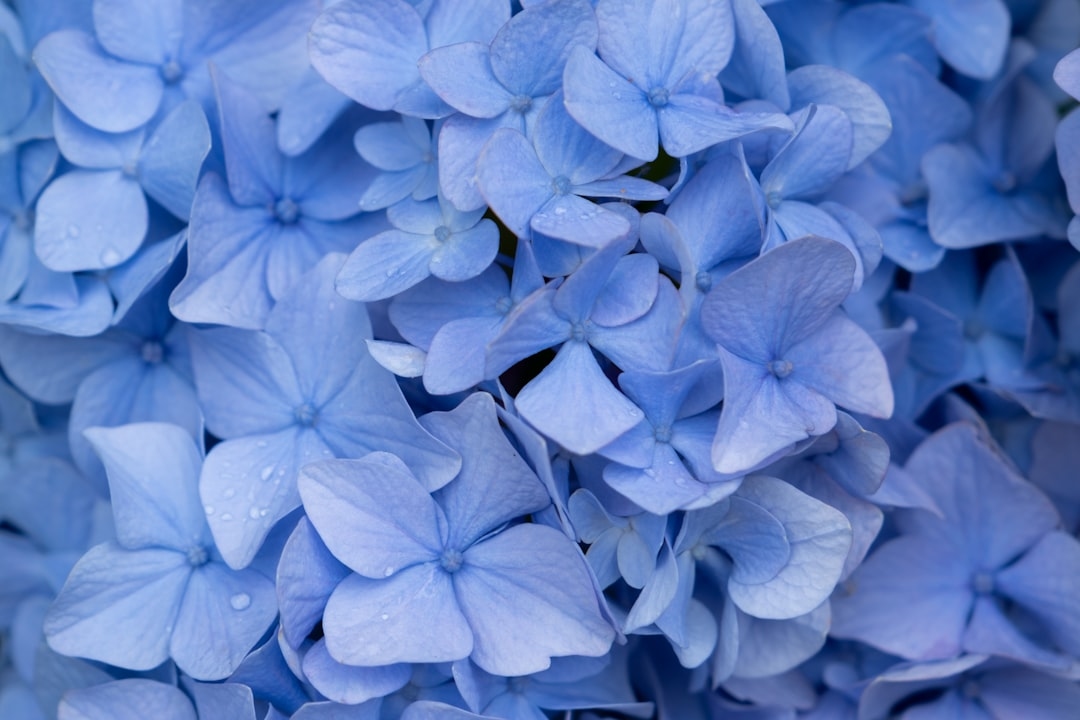
- Acidic soil (pH < 6): Blooms turn blue, sometimes a deep cobalt (think ‘Nikko Blue’).
- Alkaline soil (pH > 7): Blooms shift to pink or even a bright fuchsia.
- Neutral soil (pH 6-7): Blossoms often appear lavender or a muddy mix.
Want to change the color?
- Add aluminum sulfate to soil for blue flowers (sold at most US garden centers, about $6 per 4-lb bag).
- Add lime for pink flowers (agricultural lime or garden lime, about $5 per 5-lb bag).
“Color change is never instant and only works for certain types,” says Dr. Bryant. “Give the soil about a full season to make a visible difference – and always use a soil test kit first.”
Growing and Caring for Hydrangeas in the US
Hydrangea care looks a little different in Massachusetts than it does in Texas or California. Here’s a regionally smart approach for American gardeners and flower lovers:
Ideal Site and Planting Tips
- Sun: Morning sun and afternoon shade are best, especially in the South or Southwest.
- Soil: Well-draining, rich in organic matter. Hydrangeas hate soggy roots.
- Spacing: Leave at least 3-8 feet between plants, depending on variety.
Spring is prime planting season:
Most US nurseries stock hydrangeas from March to May, with 1-gallon container plants priced $24-$50, depending on size and cultivar.
Watering and Mulching
Hydrangeas want regular moisture but don’t like wet feet. Water deeply once a week, or more in drought-prone areas. Spread 2-4 inches of mulch to keep roots cool and reduce evaporation.
Fertilizing
- Use a balanced, slow-release fertilizer (like Osmocote or Espoma Flower-tone).
- Feed once in early spring and, for panicle/smooth types, again in late spring.
- Avoid over-fertilizing – it can lead to lush foliage but fewer blooms.
Pruning by Type
Hydrangea pruning rules:
- Bigleaf & Mountain Hydrangeas: Bloom on old wood (last year’s stems). Prune just after flowering, before August.
- Panicle & Smooth Hydrangeas: Bloom on new wood. Prune back hard in late winter or early spring.
Hydrangeas in Floristry: From Bouquets to Weddings
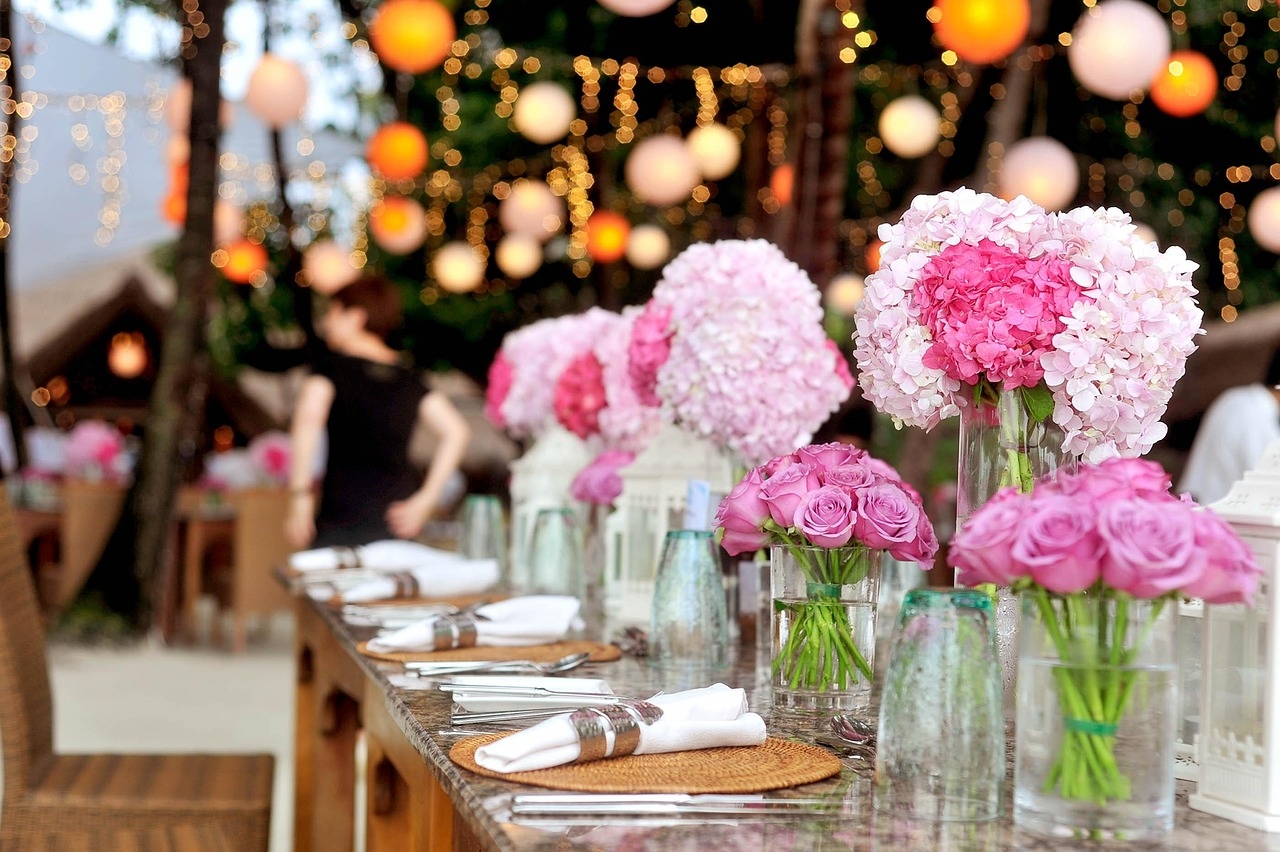
No flower says “abundance” like a full-headed hydrangea. US florists use these blooms in everything from garden-style centerpieces to modern, sculptural arrangements.
Why Florists Love Hydrangeas
- Their large size fills space quickly, reducing total stem cost.
- Hydrangea petals symbolize heartfelt emotions, making them wedding favorites.
- They’re available year-round, thanks to California, South American, and Dutch growers (especially greenhouse-grown ‘Mini Green’ and ‘Antique’ varieties).
Best Practices for Cut Hydrangeas
- Hydrate! After cutting, plunge stems in room-temperature water for at least an hour.
- Recut stems. Trim 1-2 inches at a sharp angle before arranging.
- Add a floral preservative. Commercial solutions (like Chrysal or Floralife) are under $1 per packet.
- Mist blooms daily. Hydrangeas absorb water through their petals as well as stems.
- Change water every day for longest vase life (typically 5-9 days at room temp).
Hydrangeas for Small Spaces, Containers, and Urban Gardens
You don’t need a big yard to enjoy hydrangeas. Dwarf varieties and container-friendly cultivars have exploded in popularity, especially for city balconies and suburban patios.
Top Picks for Compact Spaces
- ‘Cityline Rio’ and ‘Mini Penny’ (bigleaf): Stay under 3 feet.
- ‘Little Lime’ (panicle): Grows 3-5 feet, impressively heat tolerant.
- ‘Invincibelle Wee White’ (smooth): Reliable blooms, only 2-3 feet tall.
Use at least a 16-inch wide container, with drainage holes and high-quality potting mix. Water potted hydrangeas more often than in-ground plants–sometimes daily in hot weather.
Common Problems (and How to Fix Them)
Hydrangeas are fairly low-maintenance, but a few problems crop up in gardens and bouquets:
- Wilting: Usually from under-watering or sun scorch. Move potted hydrangeas to shade and water thoroughly.
- Brown edges on leaves: Could be too much fertilizer, high-salt tap water, or lingering drought.
- Few or no flowers: Check pruning timing, late-spring frosts, or excess nitrogen fertilizer.
- Powdery mildew: Common in humid zones. Improve air circulation and use a fungicidal spray if needed.
“Most hydrangea deaths are due to over-watering or pruning at the wrong time,” warns Rita Gomez, AIFD. “Leave spring-blooming varieties alone after midsummer – that’s next year’s flower buds.”
FAQ: Hydrangeas in 2026
How long do hydrangeas live?
Hydrangea shrubs can live 20-50 years with proper care. Some well-established hedges in New England are more than 70 years old.
Can I grow hydrangeas indoors?
Hydrangeas make beautiful but short-term houseplants. They need lots of bright, indirect light and cool temps. For a permanent indoor plant, it’s best to enjoy them as cut flowers.
Are hydrangeas toxic to pets?
Yes, all parts of hydrangeas contain cyanogenic glycosides, which are mildly toxic if ingested by dogs, cats, or humans. Symptoms are rare but can include vomiting or diarrhea.
When is the best time to plant hydrangeas?
Early spring or fall is best for planting hydrangeas in the US, giving roots time to establish before heat or frost kicks in.
How much do hydrangeas cost at a florist in the US?
As of 2026, fresh-cut hydrangea stems cost $3-$7 each at most US flower shops. Expect higher prices for premium novelty colors, imported “antique” varieties, or off-season blooms.
Hydrangeas reward a little attention with months of color and drama, no matter your growing zone or skill level. Whether you’re planning a garden overhaul or just looking for fresh bouquet ideas, challenge yourself to try a new hydrangea variety this season. Check out your local nursery’s 2026 arrivals, experiment with container growing, or even tweak your soil to create those elusive blue blossoms. The next lush, Instagram-worthy bloom could be just a morning’s effort away.