Contents:
- Quick Answer: What Is Scabiosa?
- The Allure of Scabiosa: Why Florists and Gardeners Love It
- Varieties of Scabiosa: A Visual Guide
- Popular Species and Cultivars
- Seed vs. Cut Flower Market
- Scabiosa Care: How to Keep Them Fresh
- For Florists and DIY Arrangers
- For Gardeners
- Growing Scabiosa in American Gardens
- Best Zones and Soil
- Planting and Seasonality
- Design Tips: Using Scabiosa in Floral Arrangements
- Pairing Scabiosa with Other Flowers
- Dried Scabiosa
- How Scabiosa Compares to Similar Flowers
- Scabiosa Availability and Pricing in the US Market
- Pull-Quote
- Scabiosa FAQ
- What is scabiosa used for in floristry?
- How long does scabiosa last in a vase?
- Can I grow scabiosa from seed in the US?
- Are scabiosa flowers edible or toxic?
- Why are some scabiosa almost black?
- Get Creative with Scabiosa This Season
Everything You Need to Know About Scabiosa
Walk into any high-end floral studio in Brooklyn or Los Angeles in 2026 and you’ll spot them–Scabiosa, also called pincushion flowers, poking out of hand-tied bouquets like playful confetti. Designers rave about their unique shapes and surprising longevity. Brides request them by name. Gardeners are obsessed. Yet, this whimsical bloom is still a bit of a mystery to many. Ready to get specific about scabiosa? Here’s what makes these blooms such a darling in floral design (and home gardens).
Quick Answer: What Is Scabiosa?
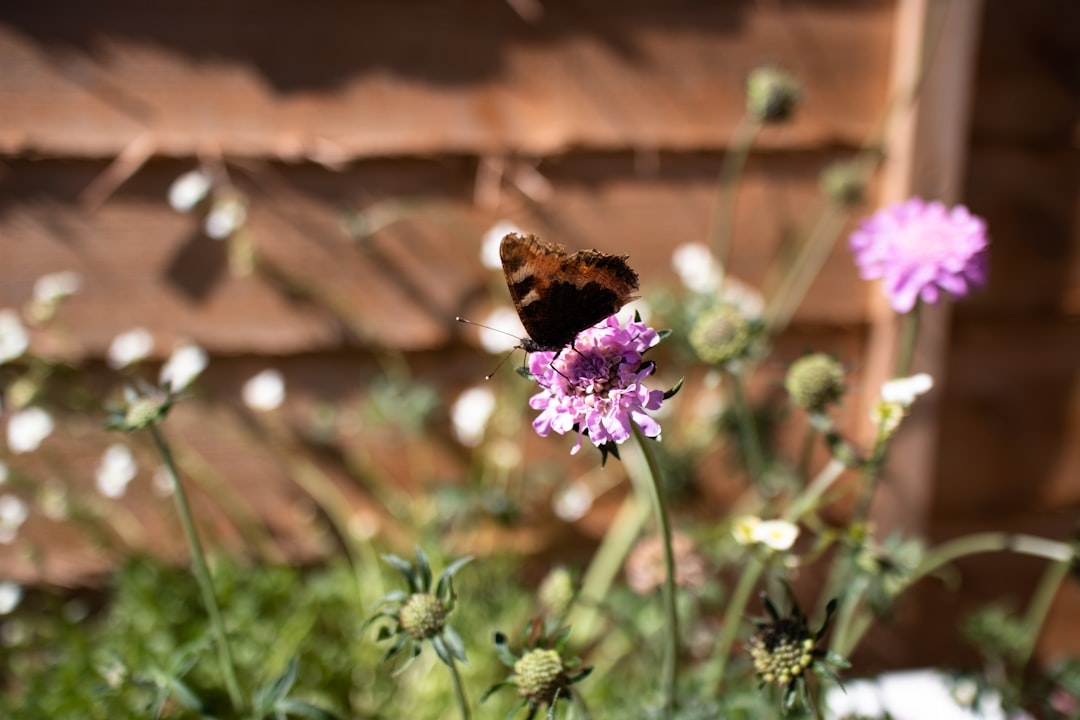
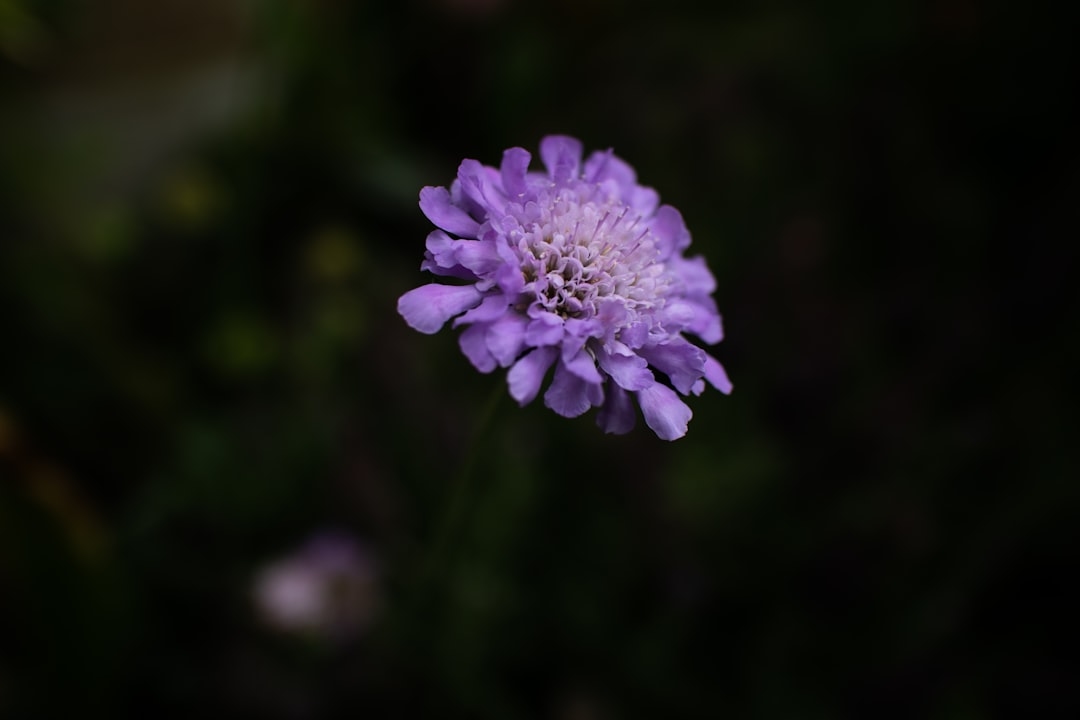
Scabiosa, commonly called pincushion flower, is a genus of herbaceous plants known for its soft, round, pin-like blooms. Available in colors from pale lavender to deep burgundy and crisp white, scabiosa is beloved for its frilly petals and distinctive, textured centers. In the US, it’s used for wedding bouquets, modern arrangements, and cutting gardens thanks to its 5-10 day vase life and surprising durability.
The Allure of Scabiosa: Why Florists and Gardeners Love It
A single scabiosa stem can elevate an arrangement with its playful, slightly wild feel. Designer Anna Lee, AIFD, describes scabiosa as “the perfect blend of quirky and elegant–it fills the space between roses and ranunculus without overwhelming the bouquet.”
Scabiosa wins fans for several reasons:
- Texture: The “pincushion” center adds architectural interest.
- Versatility: Works beautifully in both fresh and dried arrangements.
- Color Range: From creamy white to jet black (try ‘Black Knight’), the options suit every palette.
- Vase Life: Stems hold up for an average of 7 days, often longer in clean water.
Recent surveys from the Society of American Florists show scabiosa has been among the top five most-requested accent flowers in wedding arrangements since 2023.
Varieties of Scabiosa: A Visual Guide
Popular Species and Cultivars
| Variety Name | Color | Height (inches) | Bloom Size | Best For |
|---|---|---|---|---|
| Scabiosa atropurpurea ‘Black Knight’ | Deep purple-black | 24-36 | 2” | Moody bouquets, events |
| Scabiosa caucasica ‘Fama Blue’ | Sky blue | 18-24 | 3-4” | Wedding work, cutting gardens |
| Scabiosa ‘Snowmaiden’ | White | 20-24 | 2” | Spring events, minimalist |
| Scabiosa ‘Chile Black’ | Burgundy-black | 24-32 | 2-3” | Dramatic designs |
| Scabiosa japonica ‘Ritz Rose’ | Pink/magenta | 10-14 | 1.5” | Container gardening |
Seed vs. Cut Flower Market
US flower farmers often grow scabiosa from seed, especially in Zones 4-9. Cut-flower scabiosa from California or Washington is available year-round from wholesalers like Mayesh and Florabundance, retailing at $2-$5 per stem in 2026.
Scabiosa Care: How to Keep Them Fresh
For Florists and DIY Arrangers
- Conditioning: Remove lower leaves, re-cut stems at a sharp angle, and soak in cool, clean water for 2+ hours before arranging.
- Water Quality: Scabiosa is prone to slimy stems; change water daily and clean vases thoroughly.
- Placement: Avoid direct sunlight and heat; they last longer at 65-72°F.
- Ethylene Sensitivity: Keep away from ripening fruit–ethylene gas shortens vase life.
“Clean water is the secret to long-lasting scabiosa. I tell my clients: treat them like your favorite white shirt–handle with care and keep them fresh every day.”
– Sarah Knox, owner of Field & Vase, Boston
For Gardeners
- Harvest: Pick early in the morning, selecting blooms where the central cushion is soft but not showing pollen.
- After Cut: Plunge immediately into cold water.
Growing Scabiosa in American Gardens
Best Zones and Soil
Scabiosa thrives in USDA Zones 4-9, making it a favorite in both northern and southern states. It loves well-drained soil with plenty of organic matter.
- Sun: Full sun (at least 6 hours daily)
- pH: Slightly alkaline soils preferred (pH 7.0-7.5)
- Spacing: 8-12 inches apart for airflow
Planting and Seasonality
- Spring Sowing: Start seeds indoors 6-8 weeks before last frost, or direct sow after danger of frost.
- Bloom Time: Late spring through early fall (May-October, depending on region)
- Deadheading: Regular removal of spent blooms extends flowering
Most scabiosa cultivars are technically perennial, but often grown as annuals for their most prolific blooms.
Design Tips: Using Scabiosa in Floral Arrangements
Pairing Scabiosa with Other Flowers
Scabiosa’s delicate, airy stems look best with:
- Ranunculus
- Garden roses
- Eucalyptus or olive foliage
- Anemones
- Dried seed pods
For a modern arrangement, try mixing scabiosa with Cosmos and Queen Anne’s Lace. For moody, romantic looks, pair ‘Black Knight’ with deep purple smokebush and burgundy dahlias.
Dried Scabiosa
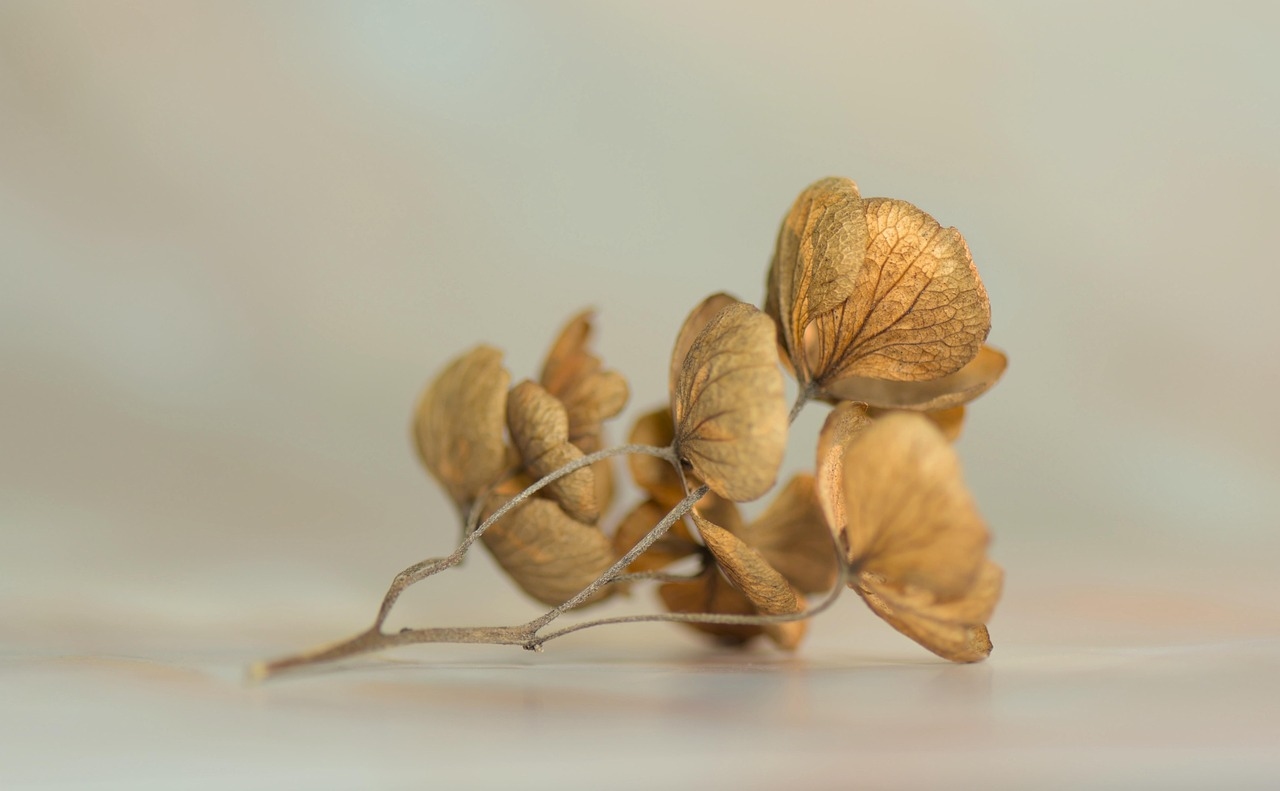
Air-dried scabiosa pods hold their shape and add texture to fall and winter arrangements. Simply hang upside down in a well-ventilated spot for 2-3 weeks.
How Scabiosa Compares to Similar Flowers
| Flower | Vase Life | Texture | Seasonality | Price (2026) |
|---|---|---|---|---|
| Scabiosa | 5-10 days | Pin-like, delicate | May-October (US) | $2-$5/stem retail |
| Cosmos | 4-7 days | Airy, daisy-like | June-Sept | $1-$2/stem |
| Ranunculus | 7-12 days | Layered, round | Feb-May | $3-$7/stem |
| Anemone | 5-8 days | Poppy-like | Dec-April | $3-$6/stem |
| Nigella (Love-in-a-mist) | 6-8 days | Starry, spiky | June-Aug | $2-$4/stem |
Scabiosa stands out for its unique center, excellent as a focal accent among finer-petaled blooms.
Scabiosa Availability and Pricing in the US Market
In 2026, scabiosa is readily available from spring through early fall at most US floral wholesalers. Off-season, expect to pay a premium, especially for specialty colors like ‘Black Knight’ or large-headed varieties like ‘Fama Blue.’
- Retail flower shops: $2-$5 per stem
- DIY wedding buckets: $50-$85 for 25 stems (from The Bouqs Co., FiftyFlowers)
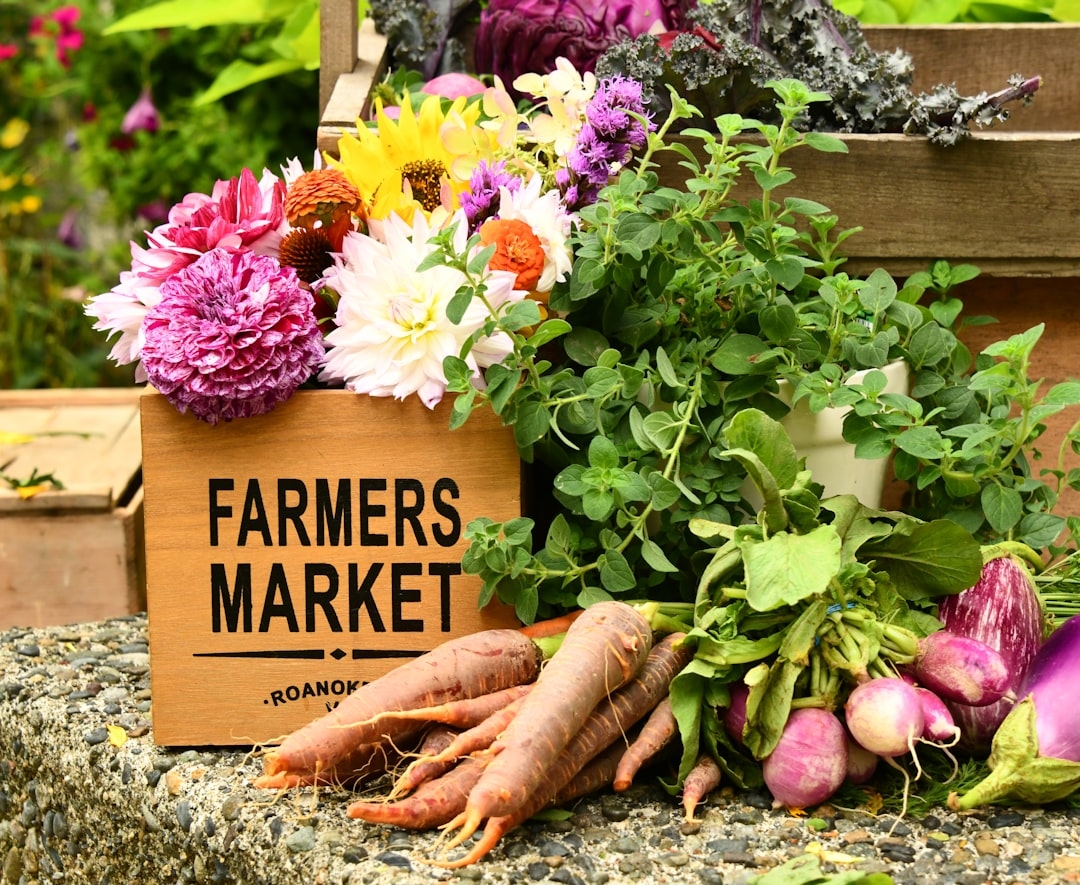
- Farmer’s markets: Often bundled with other wildflowers, $15-$30 per mixed bunch
Availability peaks in June and September, making scabiosa a top choice for summer and fall weddings.
Pull-Quote
“Every time I add scabiosa to a bouquet, it sparks conversation–people love its cheerful, wild charm.”
– Lila Tran, Lead Designer at Fleurish, Chicago
Scabiosa FAQ
What is scabiosa used for in floristry?
Scabiosa is used as an accent flower in bouquets and arrangements thanks to its unique pincushion center, long stems, and wide color range. It’s popular for weddings, event designs, and in cutting gardens.
How long does scabiosa last in a vase?
With proper care, scabiosa typically lasts 5-10 days in a vase. Clean water and daily stem trims help maximize longevity.
Can I grow scabiosa from seed in the US?
Yes. Scabiosa grows well from seed in USDA Zones 4-9. Sow indoors 6-8 weeks before the last frost, or direct sow outdoors after the last frost date.
Are scabiosa flowers edible or toxic?
Scabiosa flowers are non-toxic to humans and pets, according to Dr. Alice Greer, PhD, horticulturist at University of Washington’s Botanic Gardens. However, they are not commonly used for culinary purposes.
Why are some scabiosa almost black?
Varieties like ‘Black Knight’ are bred for dramatic color. The dark pigment is a result of higher concentrations of anthocyanins, creating deep burgundy or nearly black blooms.
Get Creative with Scabiosa This Season
Ready to experiment? Whether you’re arranging your own centerpiece or planning your wedding palette, scabiosa’s mix of elegance and intrigue deserves a place on your flower list. Ask your local florist for their favorite variety, or try sowing a packet of seeds in your own backyard for a summer’s worth of whimsical, conversation-starting blooms. Scabiosa isn’t just a trend–it’s a new classic for American floristry.