Contents:
- Can Flower Farming Really Provide Reliable Retirement Income?
- Why Flowers? The Perks of Petal-Based Retirement Income
- Low Land, High Value
- Manageable Labor and Flexible Schedule
- Resilience and Demand
- Getting Started: Setting Up Your Flower Farm
- Choosing Land and Location
- Startup Costs and Equipment
- Which Flowers Should You Grow?
- Season Extension & Frequency
- Marketing Your Flowers: Local and Beyond
- Selling Channels
- Branding and Community
- Managing Risks and Avoiding Burnout
- Physical Health
- Weather and Pests
- Market Fluctuations
- How Much Money Can You Actually Make Growing Flowers in Retirement?
- Tax Benefits and Legal Considerations
- Home-Based Business Advantages
- Permits and Regulations
- Compare: Flower Farming vs. Other Retirement Side Hustles
- Real Stories: US Retirees Growing Flowers for Cash
- Frequently Asked Questions
- How much land do I need to start flower farming for retirement income?
- What are the most profitable flowers to grow for small-scale US flower farmers?
- Can flower farming be managed by one person, or does it require a team?
- Do I need a special license or certification to sell flowers in the US?
- What is the biggest challenge for new flower farmers in retirement?
- Ready to Grow? Next Steps for Aspiring Retiree Flower Farmers
Flower Farming for Retirement Income
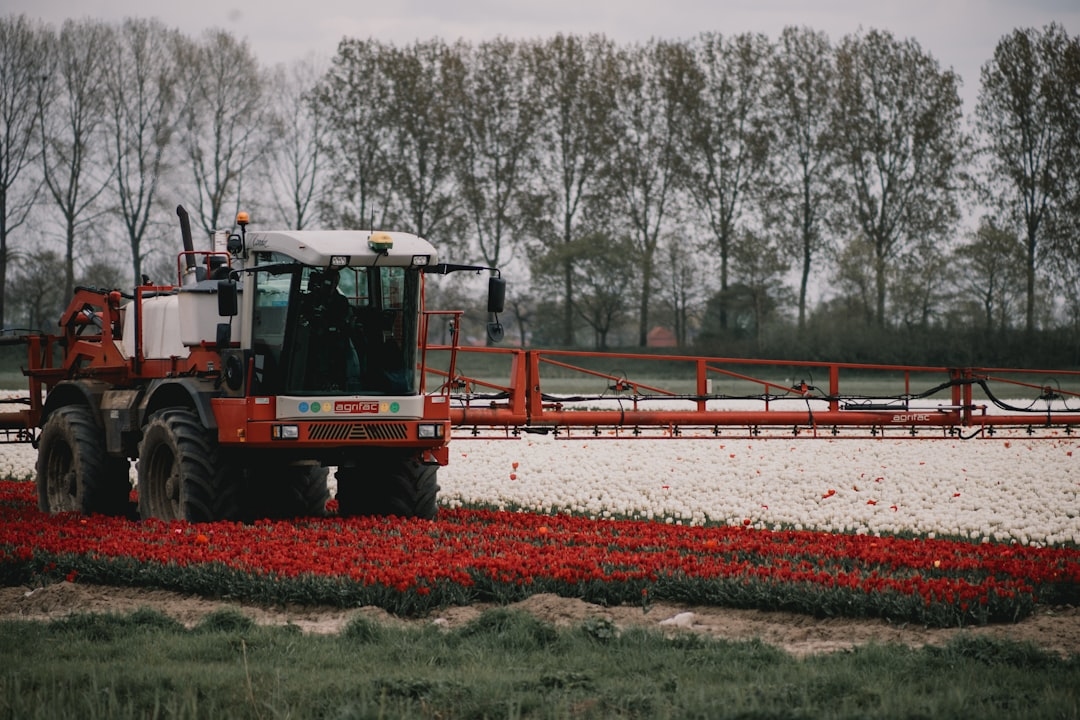
Picture this: a retired couple in rural Vermont, hands deep in the earth, coaxing rows of dazzling zinnias and sunflowers from the soil. By midsummer, they’re hauling buckets to a bustling Saturday market where their homegrown bouquets fetch $25 apiece. It’s not just a hobby–it’s real, tax-friendly income during their golden years. Welcome to the surprisingly accessible world of flower farming for retirement income.
Can Flower Farming Really Provide Reliable Retirement Income?
Absolutely. Small-scale flower farming can generate $10,000 to $60,000+ per year on as little as a quarter acre, according to the Association of Specialty Cut Flower Growers (ASCFG). As retirement side-hustles go, it’s hard to find one as rooted–pun intended–in beauty and flexibility. Realistically, your exact income will depend on the flowers grown, local demand, and how much sweat equity you’re willing to invest.
Key facts:
- Startup costs: $2,000-$5,000 for basics (seeds, compost, irrigation, tools)
- Average bouquet price: $15-$35 at US farmers’ markets (2026)
- Typical growing season: March-October (vary by region)
- Net profit margins: 40-60% for well-managed plots (source: Janice Myers, owner of Willow Patch Farm, OR)
“Even a ⅛-acre plot can out-earn a part-time job if you choose high-value flowers and market yourself smartly.”
– Derek Trent, retired horticulturist & flower farm consultant
Why Flowers? The Perks of Petal-Based Retirement Income
Low Land, High Value
Unlike common vegetables, cut flowers yield far more per square foot. Consider this: a ¼-acre bed of lisianthus or dahlias can gross over $25,000 by season’s end. Flower farming doesn’t demand vast acreage; even suburban plots can succeed.
Manageable Labor and Flexible Schedule
Flowers need care, but not the backbreaking hours of full-scale vegetable farms. Many retirees find the work meditative and social–arranging bouquets, chatting at markets, or even delivering weekly “flower subscriptions”.
Resilience and Demand
Americans spent more than $36 billion on fresh flowers in 2025, with demand now favoring local, specialty blooms over supermarket imports (USDA reports). With platforms like The Bouqs Co., Farmgirl Flowers, and local delivery apps, the markets for homegrown stems have never been wider.
Getting Started: Setting Up Your Flower Farm
Choosing Land and Location
You don’t need acres. Most successful US flower microfarms operate on ⅛-½ acre. Full sun exposure, good drainage, and access to water are musts. If your yard is shady, consider renting a plot at a community garden or collaborating with neighbors.
Startup Costs and Equipment
Initial investments usually include:
- Seeds and bulbs: $300-$1,000 (starter varieties)
- Compost, amendments: $200-$500
- Drip irrigation system: $400-$800 (crucial for consistent blooms)
- Tools: $200-$500 (hand tools, wheelbarrow, buckets, snips)
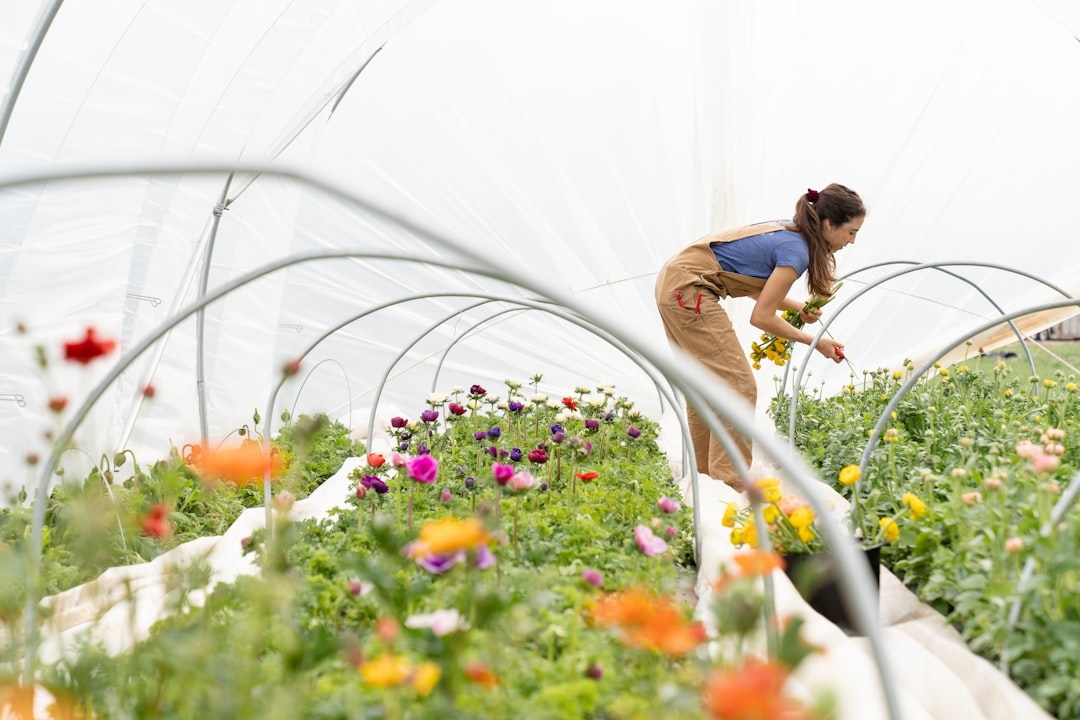
- Structures (optional): Small hoop house or low tunnel ($1,000+ for season extension)
You can bootstrap many expenses by sourcing secondhand tools or swapping with local gardeners.
Which Flowers Should You Grow?
Choosing profitable, in-demand varieties is key:
| Variety | Best Season | Market Price (per stem) | Ease of Growing |
|---|---|---|---|
| Dahlias | Summer-Fall | $3-$6 | Intermediate |
| Lisianthus | Summer | $2-$4 | Challenging |
| Zinnia | Summer-Fall | $1-$2 | Easy |
| Sunflower | Summer-Fall | $1-$2 | Easy |
| Peony | Spring | $4-$10 | Advanced |
Start easy: zinnias, sunflowers, cosmos, and snapdragons all thrive with basic care, are favored at markets, and keep blooming with regular cutting.
Season Extension & Frequency
Installing low tunnels or cold frames can push your harvest window further into spring and fall–vital for steady income.
Marketing Your Flowers: Local and Beyond
Selling Channels
Here’s how American retirees are earning with cut flowers in 2026:
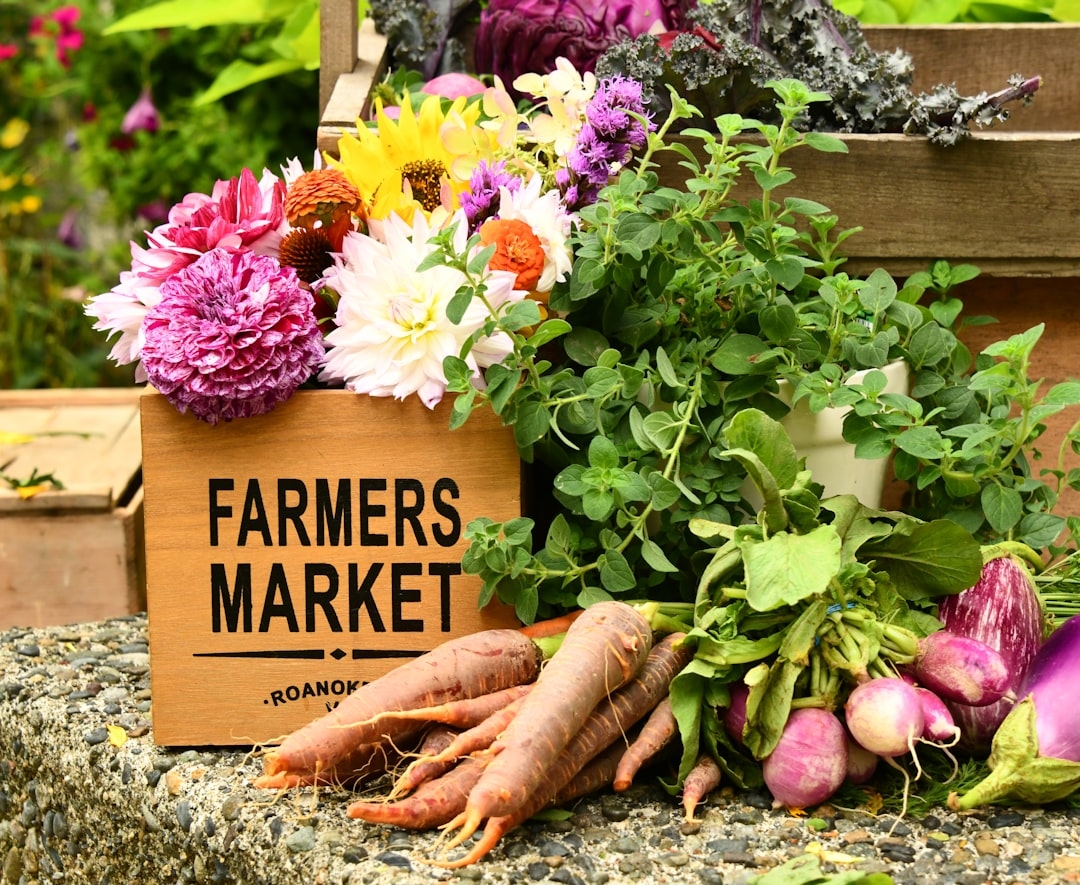
- Farmers’ Markets: Top choice for building loyal followings. Booth fees run $15-$75 per week. Bouquets sell for $15-$35 each, with premium arrangements fetching up to $50.
- Florists & Specialty Grocers: Approach local florists or grocers who value unique varieties over mass-market imports.
- CSA Subscriptions: Offer weekly or bi-weekly “flower shares” for direct-to-customer delivery or pick-up. These fetch $150-$400 per season.
- Online Sales: Set up delivery via platforms like Local Line, or list on Facebook Marketplace and Instagram.
- DIY Weddings/Events: Offer flower buckets or wedding packages. US couples now spend $600-$2,500 on flowers for DIY events (The Knot, 2026).
Branding and Community
Build your farm’s personality. A catchy name, consistent branding, and friendly social media presence go a long way. Share growing tips, behind-the-scenes photos, and bouquet inspiration to stand out.
“Our ‘Petal Pensions’ subscription sold out in 48 hours,” laughs Rebecca Doyle, who runs Silverbloom Farm in Ohio. “Neighbors can’t get enough of the fresh, local touch.”
Managing Risks and Avoiding Burnout
Physical Health
Flower farming is gentler than most ag work, but bending, lifting, and repetitive motions add up. Raised beds, ergonomic tools, and asking for help on heavy days can spare your joints.
Weather and Pests
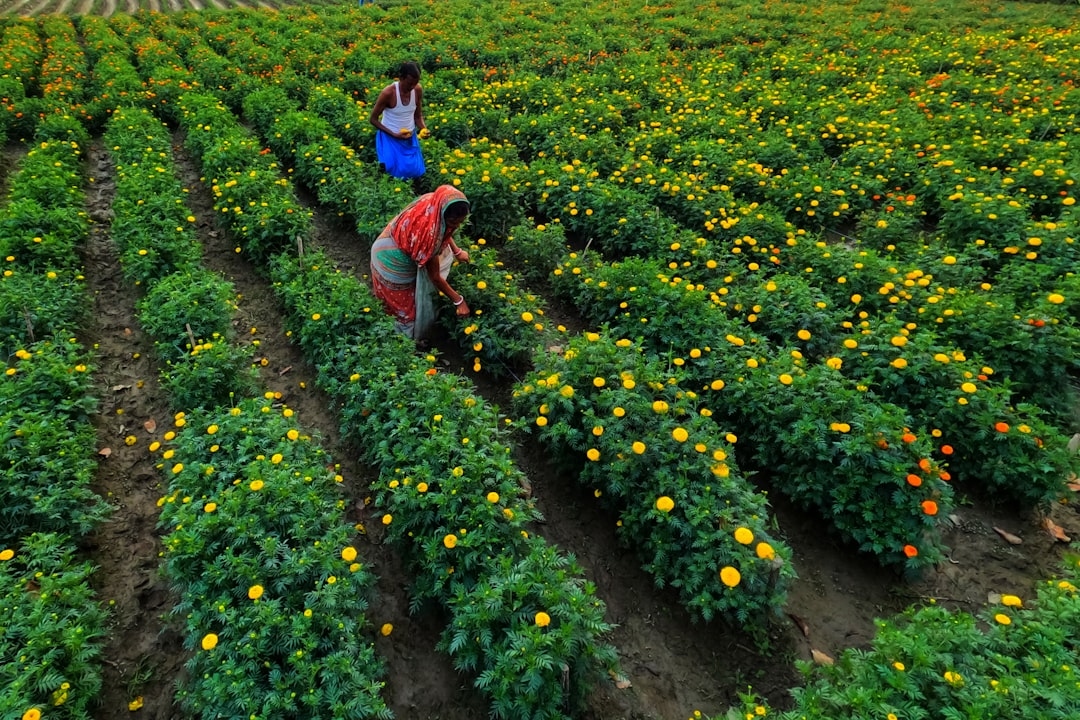
Drought, hail, and deer are real hazards. Crop insurance isn’t always practical for tiny plots, so diversify your varieties, and invest in lightweight row covers for weather swings.
Market Fluctuations
Flowers are a luxury item; sales dip in economic downturns. Offset by offering workshops, bouquet subscriptions (steady, prepaid cash flow), or adding specialty edibles like herbs.
How Much Money Can You Actually Make Growing Flowers in Retirement?
Experienced small-scale flower farmers report the following average annual earnings:
| Land Area (cultivated) | Annual Gross Revenue | Typical Net Profit |
|---|---|---|
| 1/8 acre | $10,000-$20,000 | $6,000-$13,000 |
| 1/4 acre | $18,000-$35,000 | $10,000-$22,500 |
| 1/2 acre | $30,000-$60,000+ | $15,000-$40,000 |
Most retirees treat flower farming as a supplement–not a substitute–for Social Security, pensions, or savings. But for those who love the work, it can fund vacations, hobbies, or unexpected expenses.
Tax Benefits and Legal Considerations
Home-Based Business Advantages
Once you’re selling, you may qualify for home business deductions:
- Supplies and seeds
- Utility costs (pro-rata)
- A portion of property taxes and insurance
- Farm vehicle expenses
Consult a local CPA or farm tax specialist. In some states, ag-zoned land may get lower property taxes if you exceed minimum revenue thresholds.
Permits and Regulations
- Check with your county extension office about local sales, signage, and pesticide regulations.
- In most states, no commercial kitchen is needed since flowers aren’t food.
- If hiring help, comply with IRS rules for small farm labor.
Compare: Flower Farming vs. Other Retirement Side Hustles
| Criteria | Flower Farming | Vegetable Farming | Craft Selling (Etsy) | Ride-Share Driving |
|---|---|---|---|---|
| Avg. Net Margin | 40-60% | 15-35% | 10-30% | 20-35% |
| Startup Cost | Low-Medium | Medium-High | Low | Medium |
| Seasonal? | Mostly | Yes | No | No |
| Physical Demand | Moderate | High | Low | Medium |
| Lifestyle Fit | Outdoors, Social | Outdoors | Home-based | On-the-road |
Real Stories: US Retirees Growing Flowers for Cash
Take Joan and Mark Fischer, who retired in 2024 from desk jobs in North Carolina. Their ¼-acre backyard now nets around $17,000 per year–just from midweek CSA bouquets and Saturday farmers’ market sales. “The money is real, but what we cherish most is the rhythm and beauty it brings,” says Mark.
Frequently Asked Questions
How much land do I need to start flower farming for retirement income?
Most retirees begin with ⅛ to ¼ acre, which is sufficient for $10,000-$35,000 in annual gross sales. Even a large suburban backyard can work.
What are the most profitable flowers to grow for small-scale US flower farmers?
Dahlias, lisianthus, peonies, ranunculus, and specialty sunflowers top the list for profitability due to high market demand and premium bouquet pricing.
Can flower farming be managed by one person, or does it require a team?
With good planning, a single motivated person can manage up to ¼ acre. For expansion, occasional help–especially during planting and harvest–is useful.
Do I need a special license or certification to sell flowers in the US?
Generally, you only need a local business license and, in some states, a sales tax ID. Check with county extension offices for specific local requirements.
What is the biggest challenge for new flower farmers in retirement?
Physical stamina and learning local market demand are top challenges. Start small, pace yourself, and focus on varieties that sell well in your region.
Ready to Grow? Next Steps for Aspiring Retiree Flower Farmers
Start mapping out your flower patch–even if it’s a few raised beds in the backyard. Visit local farmers’ markets, chat with US flower growers, and sketch out a simple budget (seeds, water, supplies). Join the ASCFG or a community garden for tips and camaraderie. In 2026, flower farming isn’t just a retirement dream–it’s a cash crop hiding in plain sight. Your best bouquets might be just one growing season away.