Contents:
- What Are Night-Blooming Flowers? (Direct Answer)
- Why Do Some Flowers Bloom at Night?
- Adaptations for Night Pollinators
- Top Night-Blooming Flowers for American Gardens
- Moonflower (Ipomoea alba)
- Night-Blooming Jasmine (Cestrum nocturnum)
- Evening Primrose (Oenothera biennis)
- Night-Blooming Cereus (Epiphyllum oxypetalum and others)
- Datura & Brugmansia (Angel’s Trumpets)
- Designing a Moon Garden: Where Night-Bloomers Shine
- Key Elements of a Moon Garden
- How to Grow Night-Blooming Flowers at Home
- Soil & Sun Requirements
- Watering & Feeding
- Winter Care
- Where to Buy
- Night-Blooming Flowers in Culture, Floristry, and Scent
- Scent in Perfumery
- Symbolism & Tradition
- Event Floristry
- FAQ: Flowers That Bloom at Night
- What flowers only bloom at night?
- Are night-blooming flowers easy to grow in the US?
- Do any night-blooming flowers attract pollinators?
- Are night-blooming plants safe around pets?
- Can I order night-blooming flowers for delivery?
- Ready for a Little Night Magic?
Flowers That Bloom at Night: Nature’s Secret Show After Dark
On a summer evening, you might catch a sudden, sweet aroma wafting through your backyard, as if the air itself decided to celebrate. That’s night-blooming flowers at work: nature’s mysterious performers, saving their best act for the moonlit hours. While gardens buzz with bees and butterflies in the daylight, after sunset, a whole new cast of players emerges–moths, bats, and even curious humans–drawn by shimmering white petals and intoxicating scents.
What Are Night-Blooming Flowers? (Direct Answer)
Night-blooming flowers are plants whose blossoms open after sunset and often close again by morning. These nocturnal bloomers have evolved to attract nighttime pollinators–mainly moths and bats–using bright white or pale-colored petals and strong, sweet fragrances. Classic examples include moonflower, night-blooming cereus, evening primrose, and jasmine. In the US, these flowers are popular for adding fragrance and a touch of magic to moon gardens and nighttime landscapes.
Why Do Some Flowers Bloom at Night?
While daylight bloomers use color to attract daytime pollinators like bees and butterflies, night-blooming flowers have a different strategy. They rely on scent and pale, luminescent petals to lure nocturnal pollinators.
Adaptations for Night Pollinators
- Scent: Many night-bloomers, such as night-blooming jasmine (Cestrum nocturnum), release powerful fragrances only after dark. According to Dr. Jane Alvarez, horticulturist at the American Night Garden Society, some species increase scent production by over 400% between dusk and midnight.
- Color: White or pale-colored petals reflect moonlight or starlight, making them visible in low-light conditions.
- Nectar: They often hold more nectar than their daytime counterparts, providing an energy-rich reward for moths and bats.
“A garden with night-blooming flowers is like having a second, secret landscape–one that comes alive when most people aren’t looking.”
– Madison Cole, Certified Master Florist, Boston Floral Collective
Top Night-Blooming Flowers for American Gardens
From heirloom varieties to tropical wonders, these are the most popular and visually stunning night-blooming flowers available at US nurseries and through online flower delivery services like 1-800-Flowers and BloomNation.
1. Moonflower (Ipomoea alba)
- Appearance: Large, white, trumpet-shaped blossoms up to 6 inches across
- Fragrance: Sweet, slightly citrusy
- Best For: Fences, trellises, containers
- Bloom Time: Dusk to dawn, summer through early fall
- Price: Seeds ~$3-5/packet; starter plants ~$8-15 each
2. Night-Blooming Jasmine (Cestrum nocturnum)
- Appearance: Clusters of small, tubular white-green flowers
- Fragrance: Intensely sweet; can scent an entire backyard
- Best For: Containers (bring indoors in cold climates), borders
- Bloom Time: Summer to early fall, from sunset to early morning
3. Evening Primrose (Oenothera biennis)
- Appearance: Lance-shaped leaves, four-petal yellow blooms
- Fragrance: Lightly sweet, faintly lemony
- Best For: Pollinator gardens, naturalized plantings
- Bloom Time: Dusk through mid-morning
4. Night-Blooming Cereus (Epiphyllum oxypetalum and others)
- Appearance: Large, exotic, cactus-like blossoms (often called “Queen of the Night”)
- Fragrance: Rich, almost spicy vanilla
- Best For: Indoor pots, patios (bring inside for winter)
- Bloom Time: Rare–one or two nights per year, often late summer
5. Datura & Brugmansia (Angel’s Trumpets)
- Appearance: Huge trumpet-shaped blooms; Datura is upright, Brugmansia hangs downward
- Fragrance: Powerfully sweet; Brugmansia’s scent carries over 30 feet on warm nights
- Best For: Statement plants, large containers
- Note: Toxic if ingested; keep away from children and pets
Quick Comparison Table
| Flower Name | Height | Fragrance Strength | USDA Zones | Pet Safe? |
|---|---|---|---|---|
| Moonflower | 10-15 ft vine | Moderate | 8-11 | No |
| Night-Blooming Jasmine | 6-12 ft shrub | Intense | 8-11 | No |
| Evening Primrose | 2-5 ft | Mild | 4-9 | Yes |
| Night-Blooming Cereus | 6-10 ft cactus | Strong | 10-11 | Yes |
| Datura/Brugmansia | 3-10 ft | Very Strong | 8-11 | No |
Designing a Moon Garden: Where Night-Bloomers Shine
A moon garden is a landscape designed to be enjoyed after dark. Night-blooming flowers are the stars of these serene spaces, their pale blossoms glowing in subtle moonlight.
Key Elements of a Moon Garden
- White & Silver Foliage: Try dusty miller, lamb’s ear, or silver artemisia alongside night bloomers for extra sparkle.
- Night-Fragrant Plants: Add heliotrope or sweet alyssum for layered scents.
- Reflective Surfaces: Incorporate light-colored gravel, white stones, or water features.
- Soft Lighting: Use LED path lights, lanterns, or candles to create a gentle, inviting glow.
Tip: Place night-blooming jasmine near patios or windows to enjoy its scent indoors and out.
According to the National Gardening Association, searches for “moon garden plants” jumped 150% in 2026, especially in southern and southwestern states where mild evenings invite outdoor entertaining.
How to Grow Night-Blooming Flowers at Home
Success with night-bloomers starts with choosing varieties adapted to your region and providing the right care.
Soil & Sun Requirements
- Most night-bloomers prefer full sun to part shade.
- Provide loose, well-draining soil; amend with compost or peat moss if needed.
- For cactus types (like night-blooming cereus), use a special cactus mix.
Watering & Feeding
- Datura, moonflowers, and primrose are drought-tolerant once established.
- Jasmine and Brugmansia prefer consistent moisture but hate soggy roots.
- Feed every 2-4 weeks with a balanced, bloom-boosting fertilizer (like Espoma Flower-Tone, ~$7/4 lbs).
Winter Care
- Moonflower, night-blooming jasmine, and Brugmansia are tropical and won’t survive hard frosts. Grow as summer annuals in zones 7 and lower, or overwinter indoors.
- Night-blooming cereus can spend summer outdoors but should be brought inside before temperatures drop below 50°F.
Where to Buy
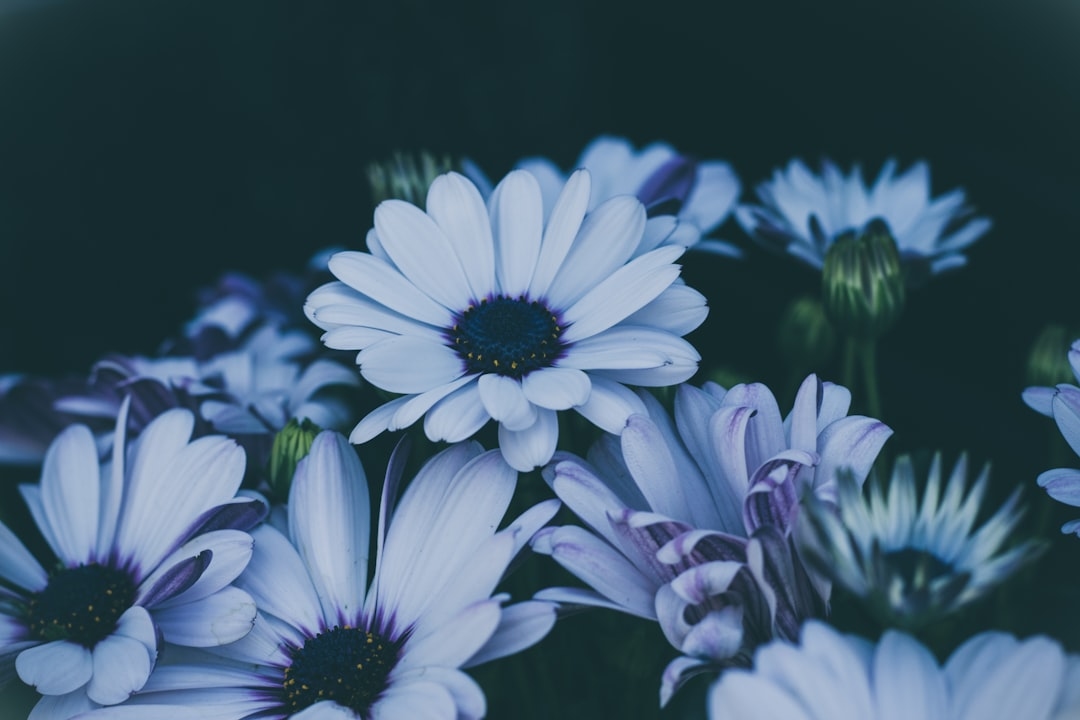
Many US nurseries (like White Flower Farm, Logee’s, and The Sill) ship starter plants or seeds nationwide. For instant blooms, local florists and larger chains (e.g., 1-800-Flowers, Teleflora) occasionally offer bouquets with night-blooming species, especially moonflower and evening primrose in summer months.
Night-Blooming Flowers in Culture, Floristry, and Scent
Scent in Perfumery
Many prestigious American fragrance brands–Tom Ford, Jo Malone, and Le Labo–feature night-blooming flowers in their luxury scents. “Tuberose and jasmine are always in demand for their heady, sensual notes,” shares Amira Patel, senior perfumer at Le Labo, who says white-flower sales now make up 30% of the company’s US fragrance market.
Symbolism & Tradition
In Mexico and the American Southwest, the night-blooming cereus is a cherished symbol of hope and fleeting beauty, celebrated with late-night “bloom-watching” parties. Indigenous cultures in Arizona consider its single-night blossom a sign of good fortune.
Event Floristry
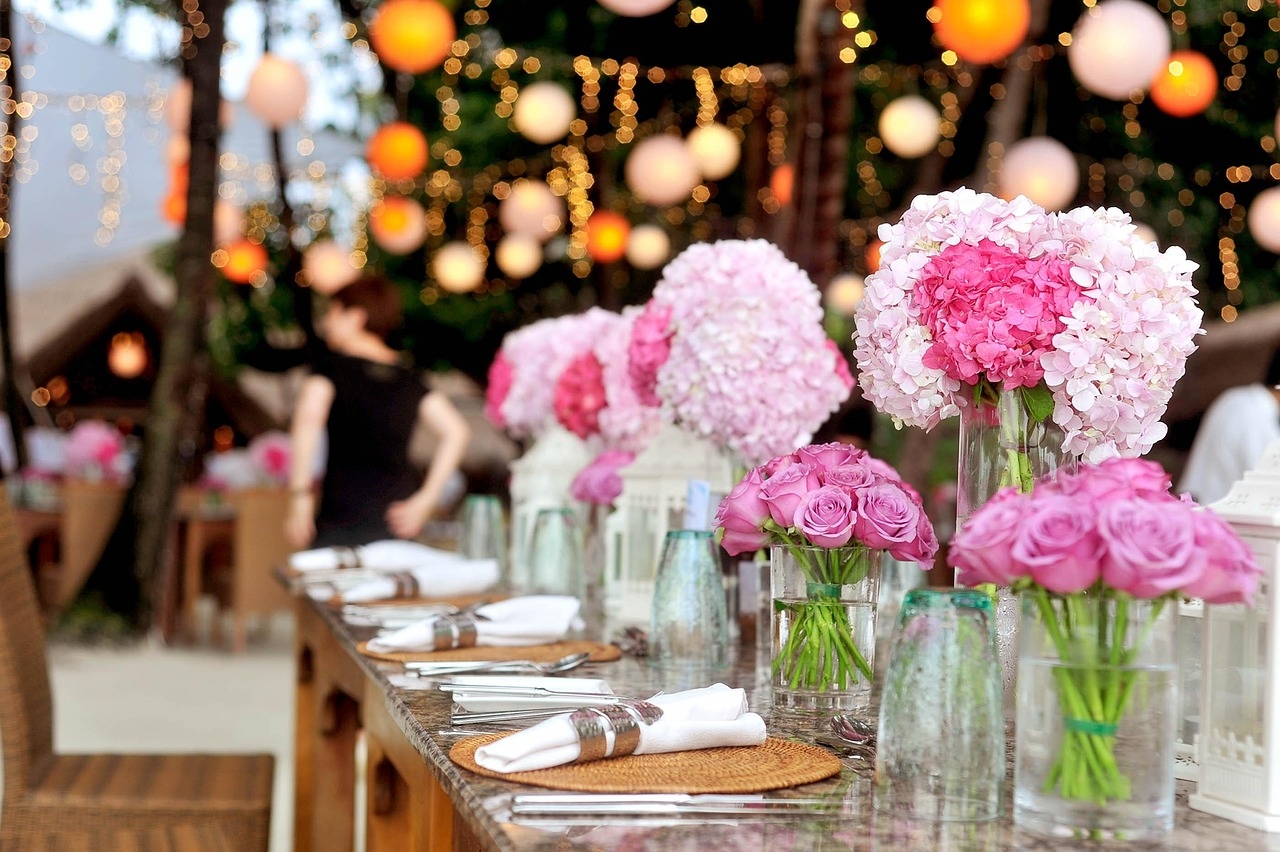
Night-bloomers are trending for weddings and nighttime garden parties. Florists in Los Angeles and Miami often use moonflower or jasmine in centerpieces for their “twilight glow and mesmerizing scent,” says Carlos Moreno, AIFD-certified floral designer with over 20 years’ experience.
FAQ: Flowers That Bloom at Night
What flowers only bloom at night?
Several flowers, such as moonflower (Ipomoea alba), night-blooming cereus (Epiphyllum oxypetalum), night-blooming jasmine (Cestrum nocturnum), and night phlox (Zaluzianskya capensis), open their blooms exclusively after dark and close them by morning.
Are night-blooming flowers easy to grow in the US?
Most popular night-bloomers can be grown successfully in US gardens with enough sun, well-draining soil, and regular moisture. In colder regions, some tropical varieties need to be grown as annuals or overwintered indoors.
Do any night-blooming flowers attract pollinators?
Yes, night-blooming flowers attract moths (like hawk moths), bats, and occasionally night-flying beetles. Their strong scent and nectar-rich blooms are specifically adapted for these nighttime pollinators.
Are night-blooming plants safe around pets?
Some, like moonflower, night-blooming jasmine, and brugmansia, are toxic if ingested by pets or children. Always check specific plant safety before adding them to your garden.
Can I order night-blooming flowers for delivery?
Most fresh flower deliveries in the US feature classic blooms, but some local florists and specialty services may offer bouquets with evening primrose or hybrid night-scented flowers during peak summer months. For live plants, nurseries like Logee’s or Bluestone Perennials ship nationwide.
Ready for a Little Night Magic?
Planting even one or two night-blooming flowers brings a touch of mystery, fragrance, and beauty to evenings outdoors. Try starting a moon garden this spring–the rewards arrive when the sun slips away and your private night show begins. For gardeners with small spaces, a single pot of night-blooming jasmine near the porch or an evening primrose border can transform a simple backyard into an enchanted, after-dark retreat. Your garden doesn’t have to sleep when you do; let it surprise you after sunset.