Contents:
- Quick Answer: Can You Grow Cut Flowers in Window Boxes?
- Why Grow Cut Flowers in Window Boxes?
- Choosing the Best Cut Flowers for Window Boxes
- What about bulbs and perennials?
- Setting Up Your Window Box Flower Garden
- Window Box Selection: What Works Best?
- Soil & Drainage
- Sun and Watering
- Planting & Maintaining Your Window Box Cut Flowers
- Sowing and Transplanting Timelines
- Ongoing Care
- Favorite Flower Combos for Window Boxes
- Sunny Showstoppers
- Pollinator Paradise
- Fragrant Mix
- Troubleshooting Common Challenges
- Wilting or Yellow Leaves
- Sparse Blooming
- Stems Too Short
- Frequently Asked Questions
- What are the best cut flowers for small window boxes?
- How deep should a window box be for growing cut flowers?
- How often should I water my window box flowers?
- Can you grow flowers for cutting on a north-facing window?
- What’s the best way to harvest window box flowers for longevity in a vase?
Growing Cut Flowers in Window Boxes: The Florist’s Guide to Small-Space Blooms
Petals spill over the edge of a downtown Chicago apartment’s window box. Zinnias, snapdragons, and sweet peas jostle for a sunny spot, catching the eyes of neighbors and pollinators alike. For flower lovers short on space, turning a simple window box into a lush, mini floral cutting garden isn’t just possible–it’s downright joyful.
Quick Answer: Can You Grow Cut Flowers in Window Boxes?
Yes, you can successfully grow cut flowers in window boxes–even in limited urban settings. Many cut flower varieties thrive in the 6-8 inches of soil a typical window box provides, as long as you select compact species, use quality potting mix, ensure drainage, and provide adequate sun and water. Expect regular cutting and deadheading to extend blooms from late spring through early fall.
Why Grow Cut Flowers in Window Boxes?
City living (or even suburbia with limited yard space) shouldn’t keep you from freshly cut bouquets. Window boxes transform a single windowsill into a productive micro-garden–one you can see and snip from without even putting on shoes.
Benefits of window box flower gardening:
- Continuous access to fresh blooms: Step inside, snip, arrange. No trip to the grocery florist required.
- Pollinator power: Flowers like cosmos, calendula, or alyssum attract bees and butterflies, boosting urban biodiversity.
- Visual delight, both indoors and out: Window boxes enhance curb appeal and your daily view.
- Therapeutic hobby: According to Dr. Shauna Evans, horticulturist and co-founder of Urban Sprout Collective, “Tending flowers, even in small spaces, reduces stress and improves mood.”
- Budget-friendly bouquets: Growing your own cuts can save $10-$30 per arrangement compared to delivery services like Bouqs or UrbanStems.
Choosing the Best Cut Flowers for Window Boxes
The secret? Select varieties bred for compact growth, prolific blooming, and fast recovery after cutting. Not every classic cut flower is a good fit–sunflowers, for instance, tend to outgrow their space–so focus on those that thrive in containers.
Top 8 window box cut flowers (with specific US-available varieties):
| Flower | Height (inches) | Days to Bloom | Notes |
|---|---|---|---|
| Zinnia ‘Thumbelina’ | 6-8 | 50-60 | Dwarf, continuous blooms |
| Sweet Pea ‘Little Sweetheart’ | 8-10 | 60-75 | Fragrant, compact vines |
| Nasturtium ‘Empress of India’ | 8-12 | 55-65 | Edible blooms and leaves |
| Calendula ‘Fiesta Gitana’ | 12-14 | 45-60 | Long-lasting, medicinal |
| Miniature Carnation ‘Dwarf Fragrance Mix’ | 8-10 | 80-100 | Fragrant, cutting stems |
| Snapdragon ‘Twinny Peach’ | 10-12 | 60-70 | Rambling spikes, easy cut |
| Cosmos ‘Sonata Mix’ | 12-18 | 60-70 | Compact, prolific |
| Alyssum ‘Snow Princess’ | 6-8 | 45-55 | Fragrant, trailing, hardy |
“Choose at least one species that blooms early, mid, and late season to maximize harvest,” suggests Zoe Chang, Seattle-based florist at Petal Pushers Collective.
What about bulbs and perennials?
Tulips and daffodils can be forced in window boxes, but only offer a short spring display. For a long cutting season, focus on annuals and fast-growing tender perennials.
Setting Up Your Window Box Flower Garden
A solid setup is half the battle. Unlike raised beds, window boxes present special challenges–limited root space, quick drying, and vulnerability to wind.
Window Box Selection: What Works Best?
- Material: Cedar, recycled plastic, or powder-coated metal can all work; just make sure boxes have drainage holes.
- Size: At least 24 inches long, 6-8 inches deep; deeper allows for more root space but adds weight.
- Mounting: Secure brackets are essential. A full box can weigh 20-30 pounds–use hardware rated for exterior use.
Soil & Drainage
Fill boxes with a premium potting mix–never use plain garden soil, which compacts quickly. Look for water-holding mixes like Espoma Organic Potting Mix or FoxFarm Ocean Forest for about $15-$20 per bag in 2026. Mix in a slow-release organic fertilizer at planting.
Sun and Watering
Nearly all cut flowers crave full sun. South or southeast-facing windows are ideal. Most boxes need daily watering in hot weather–self-watering inserts or a drip line (try Dramm’s ColorStorm system, $45) save time.
- Pro tip: Stick your finger into the soil–if it’s dry an inch down, water.
- Wind: If your box is higher than the second story, choose sturdier, low-growing varieties and add a wind-blocking screen if needed.
Planting & Maintaining Your Window Box Cut Flowers
Sowing and Transplanting Timelines
- Early spring (mid-April): Start seeds of cosmos, snapdragon, or zinnia indoors 4-6 weeks before the last frost, or direct-sow after danger of frost passes.
- May-June: Plant out seedlings or sow quick growers like nasturtium and calendula directly into boxes.
- Spacing: Overcrowding leads to fewer, weaker blooms. Use a seedling grid or dibber to space plants 3-4 inches apart.
- Best planting trick: Stagger in short mounded species (alyssum) at the front, then medium and taller spikes toward the window.
Ongoing Care
- Deadheading: Snip off fading flowers every few days to prompt continuous blooming.
- Harvesting: Early morning is best. Use clean, sharp snips (like Fiskars Micro-Tip, $15). Cut stems just above a leaf node.
- Feeding: Top dress with a liquid fertilizer (like Jack’s Classic Blossom Booster) every 2-3 weeks in active bloom.
- Pests: Monitor for aphids or powdery mildew; treat with insecticidal soap or neem oil as needed.
Key maintenance checklist:
- Water daily in peak summer.
- Feed every 2-3 weeks.
- Deadhead and cut regularly.
- Keep an eye out for pests.
Favorite Flower Combos for Window Boxes
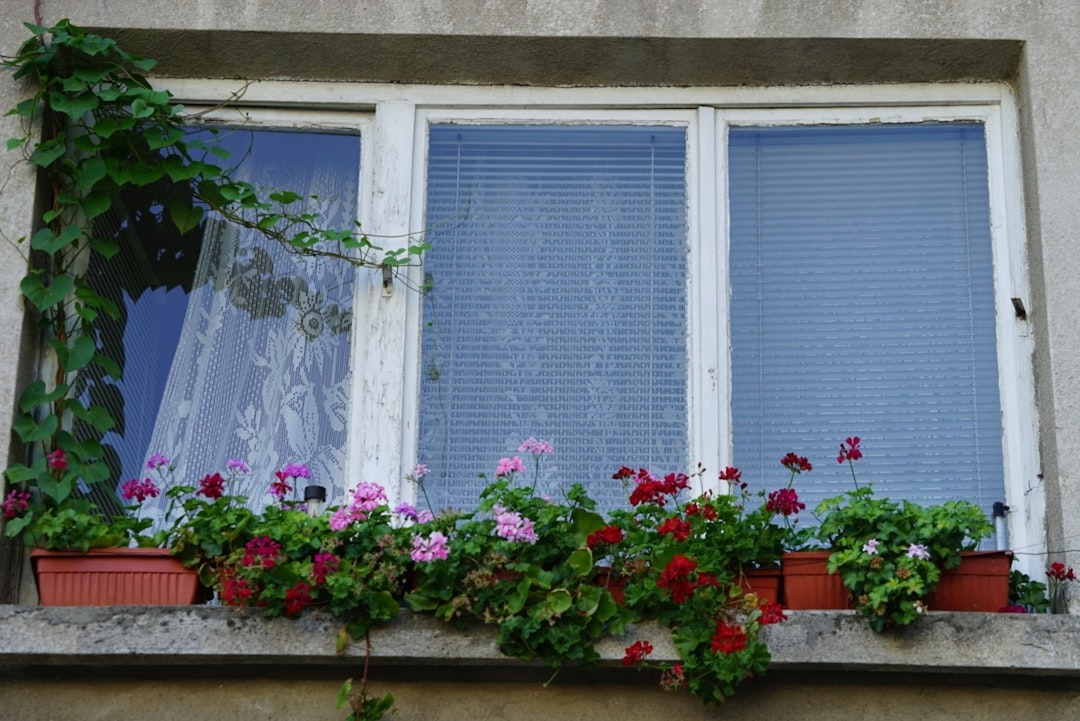
Not sure what to plant together? Use color and texture to create bouquets you’ll love.
Sunny Showstoppers
- Zinnia ‘Thumbelina’ (coral and gold)
- Calendula ‘Fiesta Gitana’ (orange)
- White alyssum
Pollinator Paradise
- Cosmos ‘Sonata Mix’
- Dwarf snapdragon
- Trailing nasturtium
Fragrant Mix
- Miniature carnation
- Sweet pea ‘Little Sweetheart’
- Alyssum ‘Snow Princess’
“I plant a ‘cut-and-come-again’ mix for clients who want new bouquets every week–one stem of each variety fills a small Mason jar,” shares Carlos Medina, Master Florist at Brooklyn Blooms.
Troubleshooting Common Challenges
Wilting or Yellow Leaves
Usually a sign of underwatering, overwatering, or poor drainage. Raise the box slightly off the sill, and drill extra holes if needed.
Sparse Blooming
Could be lack of sun or overcrowding. Thin out seedlings to improve airflow, and cut back neighboring plants if they’re casting shade.
Stems Too Short
Some window box cuts produce shorter stems than garden-grown ones. Plant more densely and harvest frequently–this encourages new, longer shoots.
Frequently Asked Questions
What are the best cut flowers for small window boxes?
Compact annuals like zinnia ‘Thumbelina’, nasturtium, dwarf snapdragon, sweet pea ‘Little Sweetheart’, calendula, alyssum, and miniature carnation all do well. These varieties stay under 12 inches tall and produce plenty of blooms for cutting.
How deep should a window box be for growing cut flowers?
A minimum depth of 6 inches is required, but 8 inches is better. This allows for adequate root development and helps the soil retain moisture longer–essential for continuous blooming.
How often should I water my window box flowers?
During hot weather, plan on watering once per day. In spring or cooler periods, every other day may be enough. Check soil moisture regularly to avoid both underwatering and soggy conditions.
Can you grow flowers for cutting on a north-facing window?
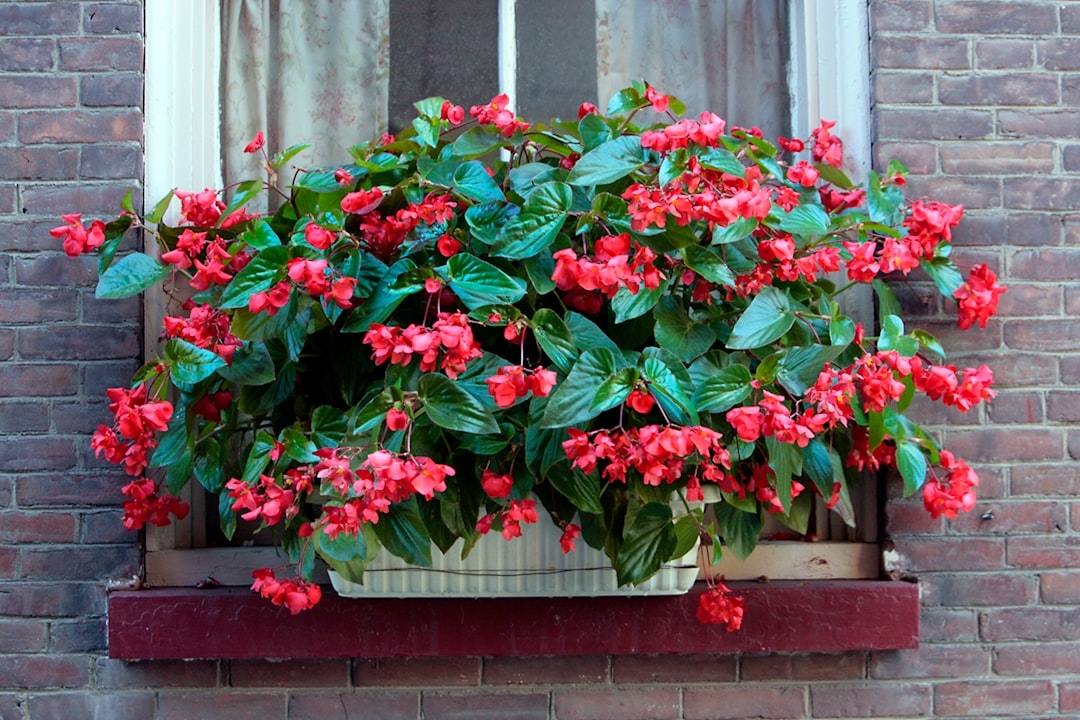
Most cut flowers require at least 6 hours of direct sun daily. North-facing locations are not ideal for blooming, but shade-tolerant varieties like impatiens or wax begonias may offer some success, though they aren’t classic cut flowers.
What’s the best way to harvest window box flowers for longevity in a vase?
Use clean, sharp snips and cut stems early in the morning. Place the stems immediately in cool water. Remove any foliage below the water line to reduce bacterial growth and change the vase water every 2-3 days.
Ready to create your own window box cutting garden? Start with a single box, a mix of seeds, and a little patience. Soon, you’ll be gathering bouquets from your very own windowsill–no backyard required. In 2026, small-space flower growing isn’t just a trend; it’s a practical, beautiful habit that turns daily life into a series of tiny blooming celebrations. Try growing a new-to-you variety this season and discover which colors, scents, and stems truly make your windows sing.