Contents:
- What are the best non-toxic flowers for classrooms with kids? (Quick Answer)
- Why Non-toxic Flowers Matter in Learning Spaces
- Top 6 Non-toxic Flowers for Classrooms
- Sunflowers (Helianthus annuus)
- Snapdragons (Antirrhinum majus)
- Gerbera Daisies (Gerbera jamesonii)
- Marigolds (Tagetes species)
- Zinnias (Zinnia elegans)
- Violets (Viola spp.)
- Flowers to Avoid in Classrooms with Young Children
- Common Toxic Flowers (and Their Risks)
- How to Source Non-toxic Flowers for Schools in the US
- Buy from Trusted Florists
- Check with Local Growers
- Grocery Store Bouquets
- Simple Tips for Keeping Classroom Flowers Safe
- Making Flower Activities Safe and Fun for Kids
- FAQ: Non-toxic Flowers in Classrooms
- What are some non-toxic flowers safe for preschool classrooms?
- Are common grocery store bouquets safe for kids?
- Can kids be allergic to non-toxic flowers?
- How can I make sure my classroom flowers are safe?
- Which flowers should I never bring into a classroom?
- Next Steps: Brighten Your Classroom, Safely
Non-toxic Flowers for Classrooms with Kids
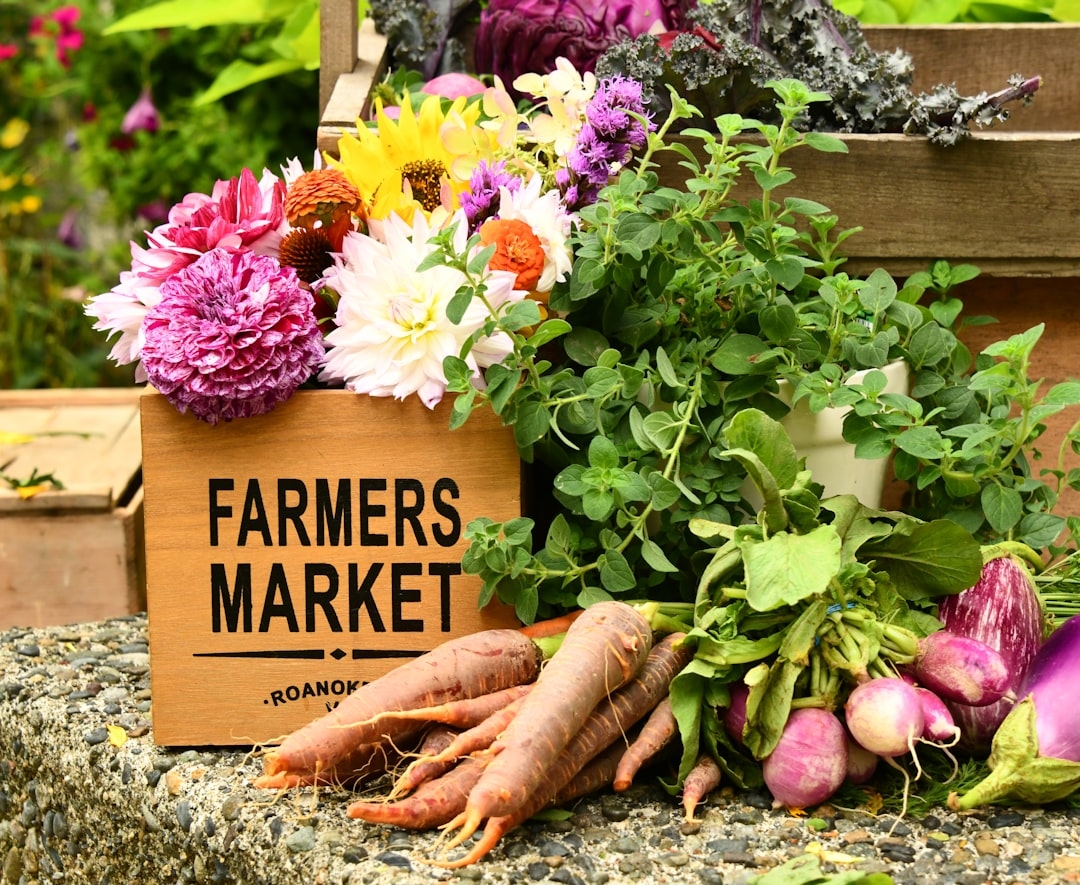
A single bouquet can light up a classroom, but not all flowers are school-safe. Did you know lilies (so common in grocery store bouquets) are highly toxic to kids and pets? One wrong stem in a reading nook, and you’ve got a health scare instead of springtime cheer. The good news: plenty of beautiful, affordable flowers are totally non-toxic and safe for classrooms–even if sticky fingers get curious.
What are the best non-toxic flowers for classrooms with kids? (Quick Answer)
For colorful classroom bouquets that are safe for children, choose flowers like sunflowers, snapdragons, zinnias, marigolds, gerbera daisies, and violets. These options are considered non-toxic for humans and pets, according to the ASPCA and botanists from the American Horticultural Society. Avoid lilies, tulips, daffodils, and foxglove, which can be dangerous if ingested.
| Flower Name | Safe for Kids | Common Colors | Cost per Bunch (USD) | US Availability |
|---|---|---|---|---|
| Sunflower | Yes | Yellow, Red | $6-$12 | Major grocers, local florists, Amazon, The Bouqs Co. |
| Gerbera Daisy | Yes | Pink, Orange | $8-$15 | Trader Joe’s, FTD, ProFlowers |
| Snapdragon | Yes | Pink, White, Yellow | $6-$10 | Local growers, Safeway |
| Marigold | Yes | Orange, Yellow | $7-$10 | Farmer’s Markets, Home Depot |
| Zinnia | Yes | Multicolored | $7-$12 | Local florists, urban gardens |
| Violets | Yes | Purple, White | $4-$9 | Nurseries, Walmart (potted) |
<blockquote>
“Many classic garden flowers are toxic, but public spaces like classrooms can safely enjoy sunflowers, marigolds and gerbera daisies. They’re kid- and pet-friendly, and easy for teachers to find.”
– Janine Morris, M.A., Certified Florist, New York Botanic Guild
</blockquote>
Why Non-toxic Flowers Matter in Learning Spaces
A bouquet isn’t just decorative in a classroom. It sets a tone and becomes part of the atmosphere kids experience daily. But children learn with all their senses–meaning some will inevitably touch, smell, or even taste classroom flowers.
- Over 17,000 cases of plant-related poisonings are reported to US poison control centers each year (American Association of Poison Control Centers, 2024).
- Preschool and kindergarten classrooms have the highest risk due to “everything goes in the mouth” behavior.
District policies increasingly recommend non-toxic–or even edible–plant decor. Beyond allergies, the biggest classroom risks are accidental ingestion and skin contact with plant sap or pollen. Florist and safety consultant Lisa Avery, AIFD, says, “For teachers, the safest bet is to stick with flowers that pose no risk, even if nibbled.”
Top 6 Non-toxic Flowers for Classrooms
1. Sunflowers (Helianthus annuus)
Cheerful, bright, and iconic. Sunflowers are not only non-toxic–they’re also allergy-friendly for most kids, since they produce little airborne pollen. Their large, sturdy stems are easy for small hands to arrange.
- Grow tip: Buy as fresh cut flowers or as potted dwarf varieties for classroom windows.
- Where to find: Available year-round at Trader Joe’s, Kroger, and on The Bouqs Co. website.
2. Snapdragons (Antirrhinum majus)
With their playful “dragon-mouth” blooms, snapdragons invite curiosity. Totally safe and non-toxic, they come in every color except blue.
- Classroom bonus: Kids can gently pinch the flower’s sides to make it open and close like a puppet–perfect for hands-on science discussions.
- Flower life: 7-10 days in water; rotate out if petals get mushy.
3. Gerbera Daisies (Gerbera jamesonii)
Big, showy blooms in rainbow colors. Gerberas are non-toxic and widely used in kid-friendly arrangements. Their minimal scent is less likely to trigger allergies.
- Budget tip: A single $9 bunch from Trader Joe’s can create 2-3 mini bouquets for different classroom corners.
- Care notes: Change the water every 2 days to avoid drooping.
4. Marigolds (Tagetes species)
Easy to grow and fun for classroom gardens, marigolds are totally safe. Some varieties even have edible petals (check tags to confirm).
- Science tie-in: Marigolds repel certain bugs–great for plant experiments in class.
- Buying: $7-$10 per 6-pack of potted plants at Home Depot or local nurseries.
5. Zinnias (Zinnia elegans)
Colorful, budget-friendly, and sturdy. Zinnias are popular with teachers because the petals hold up to enthusiastic little hands.
- Pet-safe too: No risk if classrooms have class pets such as rabbits or guinea pigs.
- Season: Abundant in summer, but often available in mixed bouquets in grocery stores.
6. Violets (Viola spp.)
These petite, sweet-smelling flowers are completely non-toxic and safe for even the youngest classrooms. African violets (Saintpaulia) are common as potted plants and thrive in indirect indoor light.
- USDA stat: School garden programs in 47 states use violets and pansies for edible flower lessons (USDA Farm to School Census, 2025).
- Access: Walmart, Lowe’s, and local nurseries offer potted violets year-round.
Flowers to Avoid in Classrooms with Young Children
While many flowers are beautiful, several top offenders can be hazardous in schools.
Common Toxic Flowers (and Their Risks)
- Lilies (all types): Highly toxic, especially to kids and cats. Causes vomiting, kidney issues.
- Tulips and Daffodils: Bulbs and stems can cause nausea and skin irritation.
- Hydrangeas: Contain cyanogenic glycosides; can lead to stomach pain.
- Oleander, Foxglove, Monkshood: All parts are poisonous, even to touch.
- Azalea: Toxic if any part is ingested.
| Flower | Main Hazard | Why Avoid? |
|---|---|---|
| Lily | Severe poisoning | Fatal to pets, risky for kids |
| Tulip | Gastrointestinal upset | Bulbs toxic if chewed |
| Daffodil | Vomiting, diarrhea | All parts toxic |
| Foxglove | Heart arrhythmias | Deadly amounts possible |
| Hydrangea | Stomach pain | Leaves/flowers toxic |
Janine Morris, M.A., stresses, “If you can’t find an ingredient list, skip anything labeled ‘mixed spring bouquet’ at generic grocery stores. These bundles often blend safe flowers with dangerous ones.”
How to Source Non-toxic Flowers for Schools in the US
Not all bouquets from florists or supermarkets are automatically child-friendly. Here’s how to confidently shop for safe classroom arrangements:
Buy from Trusted Florists
Choose US-based florists or delivery services that list flower types on each bouquet–like The Bouqs Co., UrbanStems, and Farmgirl Flowers. Many now offer ‘pet-safe’ or ‘kid-safe’ collections, especially in early spring.
- Look for: Clear labeling, ingredient lists, and the ability to customize your order.
Check with Local Growers
Farmer’s markets, school garden programs, and local flower farms are often the best sources for truly fresh, non-toxic varieties. Small-scale growers can answer safety questions directly.
- Pro tip: Ask for marigolds, sunflowers, or snapdragon bunches grown without pesticides.
Grocery Store Bouquets
Chain stores like Trader Joe’s, Whole Foods, and Safeway increasingly label or separate non-toxic flowers, especially near holidays. But ALWAYS double-check or search flower names on the ASPCA’s plant safety database.
“A single stray lily snuck into your $8 mixed bouquet can create a panic if it ends up in the preschool art center.” – Lisa Avery, AIFD
Simple Tips for Keeping Classroom Flowers Safe
Even safe flowers need smart handling in kid zones:
- Avoid vases that tip easily. Mason jars or plastic cups with pebbles are best.
- Rinse stems before arranging. Some flowers may be sprayed with mild pesticides during transit.
- Trim spent blooms and leaves daily. Mold is just as risky as toxins.
- Keep arrangements out of reach of toddlers. High shelves or teacher’s desk display.
- Post a plant list by the bouquet. Transparency helps substitute teachers and classroom aides.
Making Flower Activities Safe and Fun for Kids
Flower arranging, painting, and plant-based science projects thrive with safe species. Here’s how teachers and parents can use non-toxic blooms in the classroom:
- Flower Dissection: Let older students gently pull apart zinnia or marigold blooms to identify petals, stamens, and stems.
- Pressing and Drying: Sunflowers and violets press well for art projects–no toxic oils, no sticky sap.
- Edible Explorations: Some marigold and violet petals are approved for food use; confirm the cultivar and source.
Classroom Flower Kit Suggestion:
- 1 bunch sunflowers ($8)
- 1 bunch snapdragons ($6)
- 2 pots violets ($10)
- Plastic vases or jars ($2-$5 each)
- Plant safety labels (DIY printable)
- Total: $30-$35
This kit brightens a whole classroom for under $40 and can be safely handled by children in grades K-5.
FAQ: Non-toxic Flowers in Classrooms
What are some non-toxic flowers safe for preschool classrooms?
Sunflowers, marigolds, snapdragons, zinnias, and violets are all non-toxic and safe for preschool environments. These flowers pose no risk if touched or accidentally tasted.
Are common grocery store bouquets safe for kids?
Many mixed bouquets from grocery stores may contain toxic flowers such as lilies or tulips. Always check the ingredient list, and when in doubt, look up each flower name on the ASPCA or Poison Control websites.
Can kids be allergic to non-toxic flowers?
Yes, even non-toxic flowers can cause allergic reactions because of pollen or plant oils. Choose types with minimal airborne pollen (sunflowers, gerbera daisies) for allergy-prone students.
How can I make sure my classroom flowers are safe?
Source your flowers from reputable florists or local growers who can identify each type. Post a list of flowers in the classroom and keep arrangements where only adults can move them.
Which flowers should I never bring into a classroom?
Avoid lilies, tulips, daffodils, foxglove, oleander, hydrangea, and azalea–all of which are toxic and commonly found in mixed bouquets.
Next Steps: Brighten Your Classroom, Safely
Ready to bring a pop of color into your classroom? Start with a quick call to your local florist–ask what’s in their “kid-safe” line. Or, invite students to help plant marigolds or violets for a living science lesson. Every bloom can be an ally for joy and curiosity, so long as you know what’s safe. Safe flowers? No stress, just sunshine.