Contents:
- Quick Answer: Can a Florist Really Shoot Weddings?
- Why Florist-Photographers Are on the Rise
- What to Expect When Juggling Florals and Photos
- Workflow: Seamless, Not Stressful
- Must-Have Tools for Florist-Photographers
- Balancing Creative Vision with Client Expectations
- Communication Is Everything
- Setting Realistic Pricing
- What Shots Should a Florist Prioritize?
- Risks and How to Avoid Burnout
- Real Talk: The Dual-Role Challenge
- Top Tips for Seamless Florist Wedding Photography
- FAQ: Shooting Weddings as a Florist
- What are the legal concerns for dual-role vendors?
- Should I offer a discount for booking both florals and photography?
- Do I need professional camera gear, or will a smartphone suffice?
- How do I market myself as a florist-photographer?
- What if I miss an important shot due to a floral emergency?
- What’s Next? How to Get Started as a Dual-Role Florist
Shooting Weddings as a Florist: A Dual-Role Guide
You’re wrist-deep in peonies at 8am, bouquets lined up for a June ceremony, and your phone buzzes again: the bride’s cousin needs “just one more” centerpiece photo. More and more, florists across the US are picking up cameras–sometimes by choice, sometimes because it’s expected. Can you really pull off both arranging and wedding photography without losing your mind (or missing a boutonnière)? Let’s break down what it takes to shoot weddings as a florist–and why this hybrid role could become your new secret weapon.
Quick Answer: Can a Florist Really Shoot Weddings?
Yes, but it takes planning, the right gear, and a clear agreement with your client.
Here’s what makes it work:
- Prep your floral designs ahead of time.
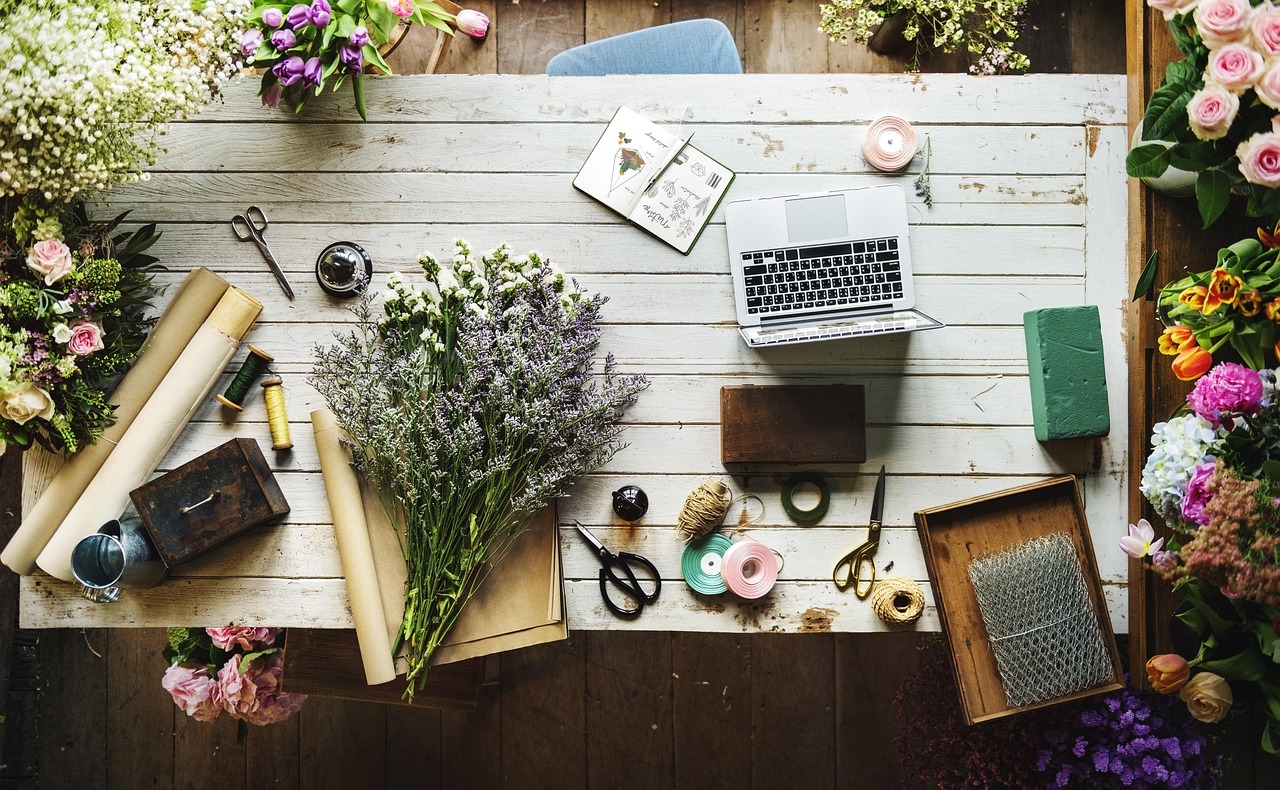
- Use a lightweight, reliable camera (think Canon EOS R8 or Sony a7C II).
- Assign a second-in-command for florals during key ceremony times.
- Focus on shots that only you, as the florist, can get–like close-ups of your arrangements in the wild.
- Agree with the couple on which moments you’ll photograph vs. when you’ll be arranging.
Done right, florists shooting weddings can deliver a unique, behind-the-scenes perspective that traditional photographers miss.
Why Florist-Photographers Are on the Rise
Nearly 58% of 2026 US wedding clients want “vendor content”–candid photos or videos shot by florists, planners, or makeup artists–according to The Knot’s 2026 trend report. Social media, especially TikTok and Instagram Reels, have driven this shift. Couples crave authentic, in-process moments, not just formal portraits.
Rachel Sung, owner of Brooklyn Blooms (est. 2012), says,
“Our floral team started documenting setups for Instagram, but couples started requesting those same photos for their albums. They loved seeing their flowers in action, not just styled after everyone left.”
For florists, shooting on the job means more control over how your work is captured and shared. It’s not about replacing the hired photographer, but adding value in an authentic way–sometimes even earning a bigger slice of the wedding budget.
What to Expect When Juggling Florals and Photos
Workflow: Seamless, Not Stressful
Pulling double-duty at a wedding isn’t about multitasking–it’s about time-blocking. Here’s how veteran dual-role florists split their day:
Morning:
- Deliver and set up large installations (archways, altar pieces).
- Snap progress shots and detail close-ups before guests arrive.
Pre-ceremony:
- Style and photograph bouquets, boutonnieres, and tablescapes.
- Delegate last-minute floral touch-ups to your lead assistant.
Ceremony:
- If possible, switch to photographer mode for aisle decor, petal tosses, and guest reactions.
- For massive weddings (>150 guests), focus on floral photography and leave people shots to the main photographer.
Reception:
- Capture centerpieces and sweethearts’ table before the room fills up.
- Wrap up with ambient shots after candlelight.
Pro Tip:
Many florists offer next-day flower re-purposing (local hospitals, nonprofits), so consider shooting those moments for a “life after the wedding” story.
Must-Have Tools for Florist-Photographers
Not all wedding cameras and gear are created equal–especially when your hands are often sticky with floral tape. Here’s what the pros recommend for 2026:
| Gear Type | Best for Florists | Key Features | Price (USD) |
|---|---|---|---|
| Camera Body | Canon EOS R8 | Light, fast AF | $1,499 |
| Sony a7C II | Compact, great color | $1,799 | |
| Lens | 50mm f/1.8 (“nifty fifty”) | Detail, bouquet close-ups | $199-399 |
| 24-70mm f/2.8 | Versatile, group shots | $999+ | |
| Accessories | Peak Design Capture Clip | Quick-draw holstering | $69 |
| LensPen | On-the-go cleaning | $12 |
Keep gear minimal. Stash your camera in a crossbody bag or use a harness, and skip bulky tripods. Water-resistant, shockproof phones like the iPhone 17 Pro also work in a pinch–just shoot RAW for editing flexibility.
Balancing Creative Vision with Client Expectations
Communication Is Everything
Before you agree to both arrange and shoot, nail down the details:
- What moments will you photograph? Specify in your contract if you’re doing only florals, only behind-the-scenes, or also candid guest shots.
- How will you deliver images? Most florist-photographers use Google Drive or Dropbox, with a one-week turnaround and 30-50 edited photos.
- What’s your backup plan? If an emergency (like wilting peonies or pouring rain) pulls you away from the camera, have an assistant ready to shoot key moments, or limit your shooting window.
Setting Realistic Pricing
US florists charge an average of $2,800 for full-service wedding florals in 2026 (per Florists’ Review). Adding photography–or even “vendor content creation”–typically bumps your rate by $500-$1,500, depending on deliverables.
Florist-photographer Kim Torres (Austin, TX) recommends:
“Be transparent. Line-item your floral and photography services separately, so couples understand the value of each.”
What Shots Should a Florist Prioritize?
Your perspective as a florist gives you access–and insight–a hired photographer rarely gets. Here’s a “must-capture” list:
- Bouquet reveal with the couple, showing raw reactions.
- Installations in progress (arches, hanging pieces), highlighting technique.
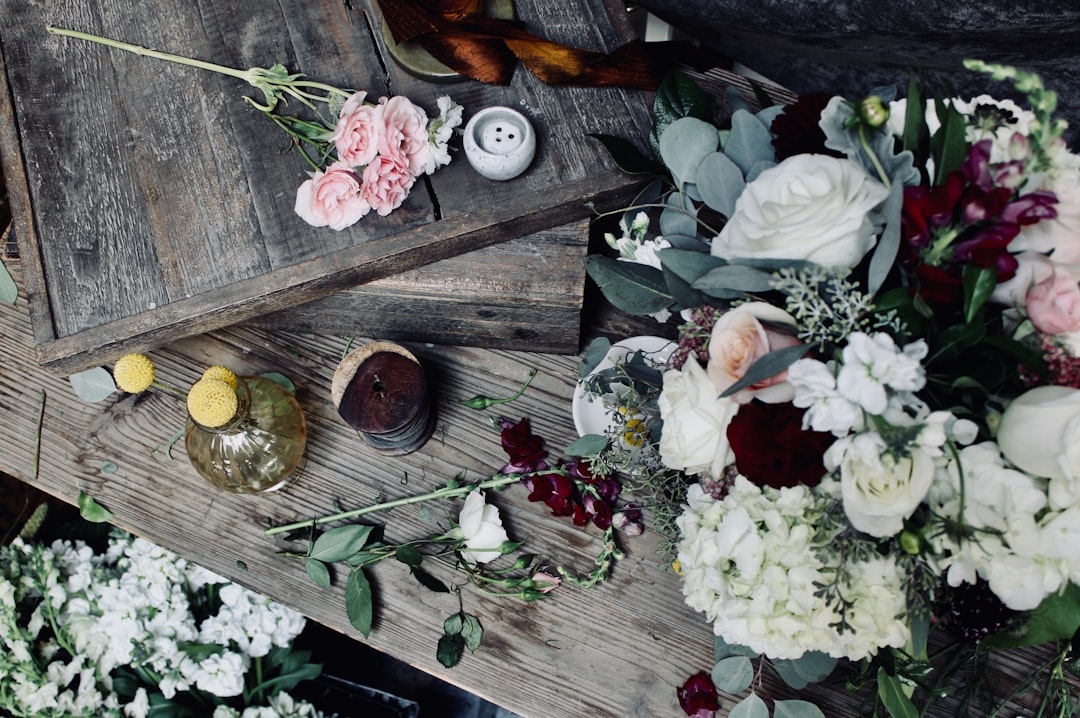
- Detail shots: boutonnières, corsages, bud vases–macro magic.
- Reception florals before guests enter (pristine and undisturbed).
- Floral flatlays with invitations, rings, and accessories.
- Personal touches: Grandma tying on a corsage, flower girls with petals.
Pull-quote:
“No one notices the hand-stitching on a ribbon-wrapped bouquet like the florist who tied it at midnight.”
Remember: you’re not duplicating the work of the main photographer. You’re filling in the story–floral artistry as seen from the creator’s eyes.
Risks and How to Avoid Burnout
Real Talk: The Dual-Role Challenge
Juggling roles can mean missing either the perfect shot or a last-minute flower tweak. To avoid classic pitfalls:
- Delegate early. Hire and train a reliable floral team for wedding day installations.
- Set boundaries with couples. Make it clear you’re not the official photographer and outline your shooting hours.
- Don’t over-commit. Max out at two or three dual-role weddings per month, especially during peak seasons (May-October in the US).
Florist burnout is real. A 2025 SAF (Society of American Florists) survey found 42% of wedding florists reported “significant work stress” in dual-role scenarios. Protect your creativity with real rest days and by saying no when a project feels like too much.
Top Tips for Seamless Florist Wedding Photography
- Prep all florals 24 hours in advance whenever possible.
- Charge your batteries (literally and figuratively).
- Choose a camera you can use one-handed.
- Use wrist straps to avoid accidental drops.
- Edit quickly–fresh, authentic content wins on social.
And don’t be afraid to outsource editing if your plate is full. US-based services like ShootDotEdit or The Image Salon offer affordable, style-consistent options at $0.20-$0.40 per image.
FAQ: Shooting Weddings as a Florist
What are the legal concerns for dual-role vendors?
Most US states don’t require a special license to take photos at paid events if you’re not the main photographer. However, always have a clause in your contract clarifying the scope and rights of your photography work.
Should I offer a discount for booking both florals and photography?
Not necessarily. Most 2026 clients expect to pay more for extra value. Bundling can work, but itemized invoices prevent confusion about what’s included.
Do I need professional camera gear, or will a smartphone suffice?
For casual, social-focused content, the latest iPhones or Samsung Galaxy Ultra models work well–especially if you shoot in RAW. For album-quality, printable photos, invest in a mirrorless camera and a fast prime lens.
How do I market myself as a florist-photographer?
Highlight unique “making of” images on your Instagram Stories, website, and Google Business profile. Ask couples for testimonials that mention how your dual skills enhanced their experience.
What if I miss an important shot due to a floral emergency?
Be honest with your clients. Build in redundancy–either with a backup shooter or by sticking to “low-stakes” moments, not critical ceremony shots.
What’s Next? How to Get Started as a Dual-Role Florist
Think this hybrid role could work for you? Start with one wedding where the couple loves your style–and is comfortable with an experimental approach. Build a portfolio of floral storytelling photos, and ask for honest feedback. As demand rises, you’ll refine your systems, pricing, and creative vision.
American couples want vendors who “get” their vibe, not just fill a role. Your dual perspective brings artistry, authenticity, and fresh storytelling to wedding days–and could become the edge that sets your work apart.