Contents:
- Quick Answer: Why Buy Flowers For Yourself?
- The Emotional Science: Flowers and Your Brain
- The Instant Mood-Lift
- More Than Decorative–A Sensory Reset
- Self-Gifting vs. Receiving: How They Compare
- Self-Care Blooms: Where Floristry Meets Mental Wellness
- Flowers as a Ritual
- The Power of Pampering Yourself
- Breaking Old Stereotypes: Why Self-Gifting Isn’t “Sad”
- Redefining the Narrative
- Mental Health Takes Center Stage
- How to Pick Flowers for Yourself: Expert Tips
- Start with Your Mood
- Local Florist vs. Delivery Subscription
- Sustainable Choices
- The Long-Term Payoff: Self-Respect, Not Just Self-Care
- Flowers as Visual Affirmations
- A Simple Tool Against Loneliness
- Frequently Asked Questions
- Why do people buy flowers for themselves?
- Does buying yourself flowers really help mental health?
- Are there best flowers to buy for yourself?
- Is it normal for men to buy themselves flowers?
- What’s the average cost of self-bought flowers in the US?
- Try It This Week: Your Own Flower Experiment
The Psychology of Giving Flowers to Yourself
Picture this: it’s a gray Tuesday, your inbox is overflowing, and you catch a glimpse of a vibrant bouquet on your own kitchen table. Not from anyone else–but from you, to you. It might feel indulgent, but the science and soul behind self-gifting flowers reveals much more than a fleeting mood-lift. Americans spent over $8.5 billion on fresh flowers in 2025 (Statista), and a rising slice of that is people buying bouquets for themselves. This isn’t vanity. It’s a quietly radical act of self-kindness, rooted in psychology, self-care, and a modern shift in how we value ourselves.
Quick Answer: Why Buy Flowers For Yourself?
Buying flowers for yourself triggers positive emotional responses–joy, validation, and a sense of self-worth. Studies show that seeing and smelling fresh flowers can reduce stress, boost dopamine, and lift mood, even more so when the flowers are chosen personally. Self-gifting is a proven form of self-care, helping to reinforce self-love and mindfulness in daily life.
The Emotional Science: Flowers and Your Brain
The Instant Mood-Lift
A Rutgers University study found that people receiving flowers–even unexpectedly–report immediate happiness and a lasting positive effect for days. But what about self-gifting? According to Dr. Leah Warren, Ph.D., a leading therapist in New York City, “The act of choosing and arranging flowers just for yourself taps into the same neural reward centers as traditional gifts, but with an added layer: agency. You’re not passively receiving; you’re actively nourishing your own joy.”
- Stat: 89% of Americans say having flowers in their home improves their overall mood (Society of American Florists, 2026).
More Than Decorative–A Sensory Reset
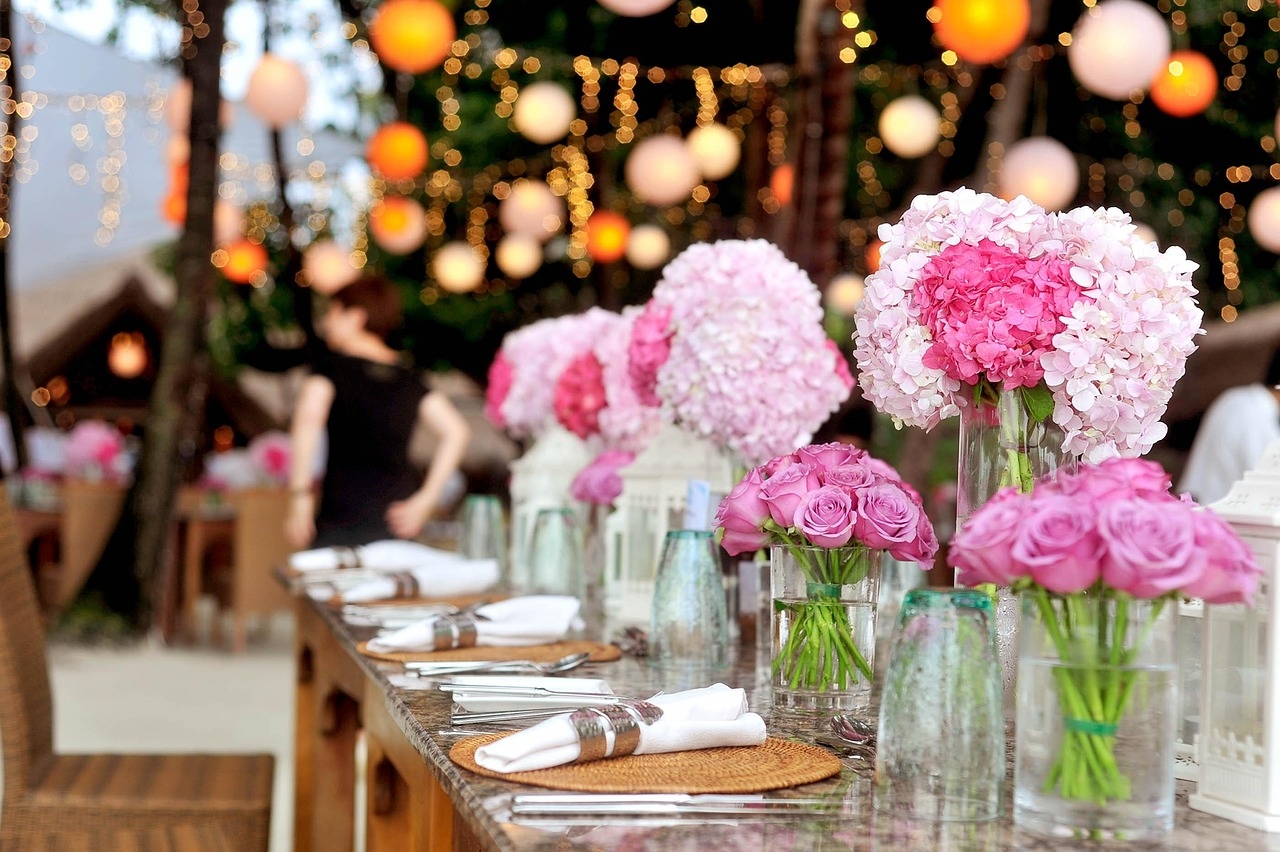
Flowers activate multiple senses at once: their colors stimulate the visual cortex, scents interact with the limbic system (where emotions form), and the tactile process of arranging flowers can be almost meditative. Fresh lilies on the counter aren’t just pretty–they’re micro-moments of mindfulness.
“Arranging my own flowers is like a reset button on a stressful week.”
– Jamie Chen, owner of Petal Pushers, Austin, TX
Self-Gifting vs. Receiving: How They Compare
| Aspect | Receiving Flowers | Giving Flowers to Yourself |
|---|---|---|
| Surprise factor | High | Low to Medium |
| Sense of agency | Passive | Active |
| Emotional impact | Short-term boost, novelty | Sustained self-esteem lift |
| Mindfulness | Low (recipient role) | High (choosing/arranging) |
| Internal validation | Based on others’ actions | Rooted in self-worth |
Studies published in The Journal of Positive Psychology (2025) underline that giving yourself small, physical tokens of appreciation (like flowers) increases self-compassion scores by 31% after just two weeks.
Self-Care Blooms: Where Floristry Meets Mental Wellness
Flowers as a Ritual
Americans have been flocking to wellness rituals, from meditation apps to fitness routines. Adding flowers is simple–and proven. Setting up a recurring flower delivery from sites like UrbanStems or The Bouqs Co. for as little as $40/month can build anticipation and routine joy.
Mini-list: How to Make Self-Gifting Flowers a Ritual
- Choose a “flower day” (Friday, payday, or the first of the month).
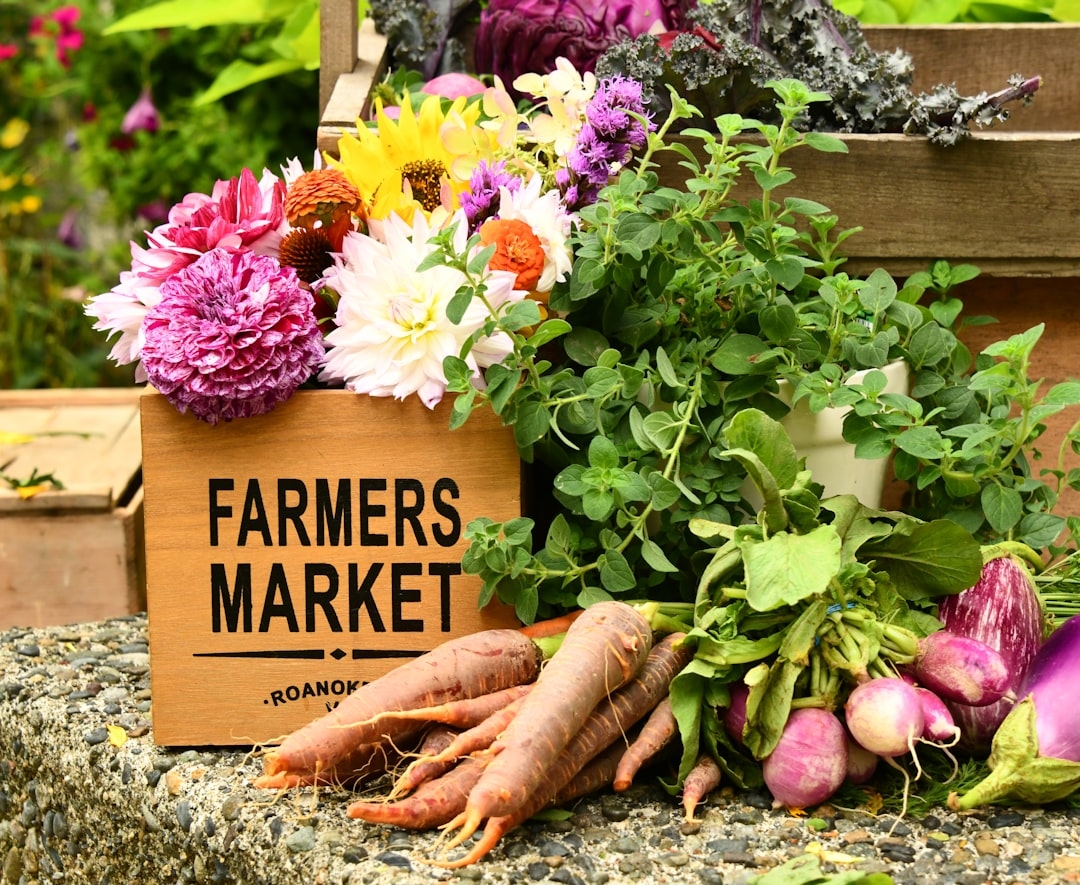
- Visit a local florist (average bouquet: $35-$55) or subscribe for doorstep delivery.
- Take 10 minutes to arrange them yourself, focusing only on the colors, textures, and scents.
- Pair with a favorite playlist or podcast for a sensory ritual.
- Snap a photo to mark the moment.
The Power of Pampering Yourself
According to Dr. Samira Boyd, horticultural therapist at UCLA, “Giving yourself flowers doesn’t just say, ‘I deserve nice things.’ It says, ‘I am actively caring for myself.’ Over time, these signals of self-worth add up, combating burnout and loneliness.”
- Stat: 47% of Americans under 40 report buying flowers for themselves at least once a month (Nielsen, 2026).
Breaking Old Stereotypes: Why Self-Gifting Isn’t “Sad”
A quick Google search in 2026 still shows some lingering myths–that self-bought flowers are desperate, or something you do “because no one else will.” The reality is different, especially among Millennials and Gen Z.
Redefining the Narrative
Social media platforms like Instagram and TikTok are overflowing with hashtags like #TreatYourself and #FlowersForMe. Influencers, from @theflowerfolk in Brooklyn to LA-based @petalsandpages, have normalized this trend. US-based flower services are now explicitly marketing “just because” bouquets.
“I buy myself sunflowers every Sunday. It’s not loneliness–it’s luxury on my terms.”
– Mariah J., marketing exec, San Francisco
Mental Health Takes Center Stage
With stigma around self-care decreasing, therapists encourage these small acts. Dr. Warren notes, “Historically, self-celebration was frowned on, especially for women. Now, it’s understood as essential for mental health–like taking yourself out for coffee or going to the movies solo.”
How to Pick Flowers for Yourself: Expert Tips
Start with Your Mood
- Energized? Try bright yellow tulips or orange gerbera daisies.
- Stressed? Go for soft blue hydrangeas or calming white lilies.
- Celebrating? Peonies, when in season (May-June), are showy, fragrant, and luxurious.
- Need comfort? Classic roses or fragrant stock bring a hug-in-a-vase vibe.
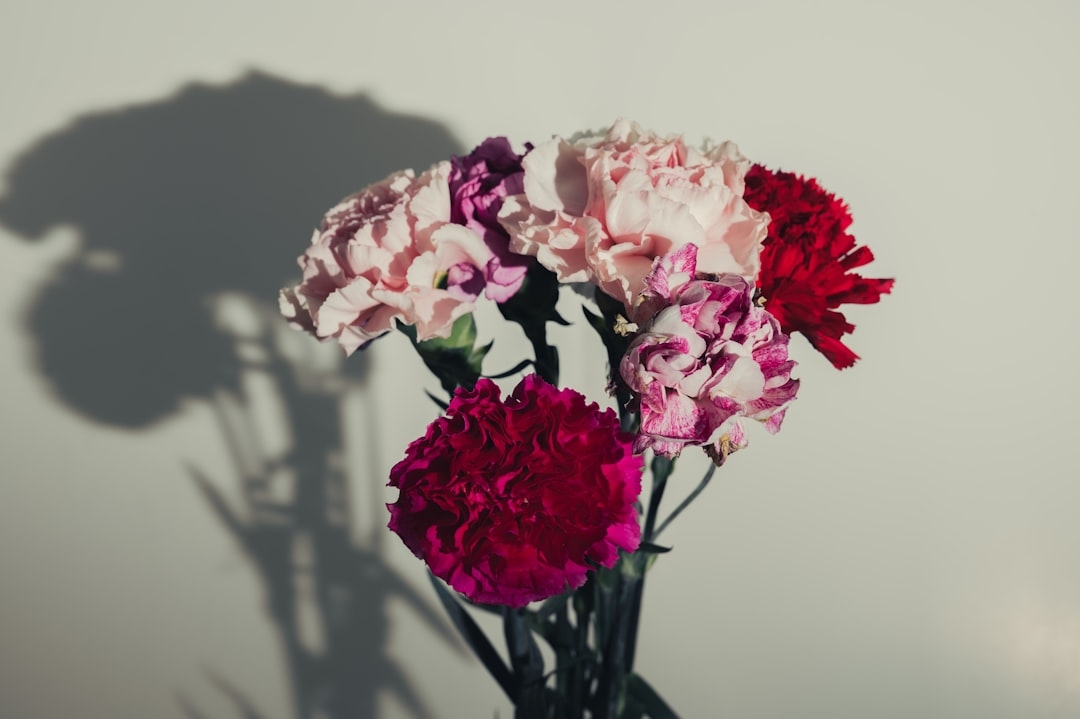
Local Florist vs. Delivery Subscription
- Local shops offer seasonal, unique picks (and a chance to chat with a real person about what feels “right”).
- Online subscriptions (e.g., BloomsyBox or Farmgirl Flowers) bring surprise and freshness to your door.
Sustainable Choices
Eco-conscious? Ask your florist about US-grown flowers (look for the “Certified American Grown” label) or select naturally dried bouquets for less waste.
Pull-quote:
“Sourcing locally not only supports small businesses–it means fresher, longer-lasting flowers for your table.”
– Carla Nguyen, florist and sustainability advocate, Portland, OR
The Long-Term Payoff: Self-Respect, Not Just Self-Care
Flowers as Visual Affirmations
That vase on your counter is more than décor. Psychologists note that visible, chosen objects signal your values back to you every day. Dr. Boyd says, “Seeing flowers you bought for yourself is a constant reminder: I matter. I am worth investing in.”
A Simple Tool Against Loneliness
A 2025 UCLA survey found that in single-person US households, those who regularly kept fresh flowers reported 23% less self-reported loneliness than those who did not. The arrangement is a sign of presence and celebration, even on ordinary days.
Frequently Asked Questions
Why do people buy flowers for themselves?
People buy flowers for themselves to boost mood, practice self-care, and create a sense of everyday celebration. It’s a rewarding act tied to mindfulness, happiness, and self-esteem rather than lack or loneliness.
Does buying yourself flowers really help mental health?
Yes. Multiple studies and mental health experts confirm that acts of self-kindness, like buying yourself flowers, decrease stress and increase self-compassion. Fresh flowers in the home can reduce anxiety and promote a sense of well-being.
Are there best flowers to buy for yourself?
Great self-gifting choices include brightly colored tulips, calming lilies, luxurious peonies, or your personal favorites. Choosing based on mood or current season enhances the benefit.
Is it normal for men to buy themselves flowers?
Absolutely. In 2026, nearly 1 in 5 self-flower buyers in the US are men. Flowers are universal in their positive effects–no matter your gender.
What’s the average cost of self-bought flowers in the US?
For 2026, the average amount spent on self-gifting flowers ranges from $30 to $60 per bouquet at US florists, with online subscriptions starting at about $40/month.
Try It This Week: Your Own Flower Experiment
Give yourself permission to buy flowers this week–no occasion needed. Notice the colors, the ritual of arranging, the impact on your space. Take a photo for yourself. Over the next few days, pay attention to how you feel when you see those blooms. Sometimes, the simplest gestures can spark the biggest shifts in how we care for–and see–ourselves.