Contents:
- Why Does Receiving Flowers Feel So Good? (Direct Answer Section)
- A Bouquet of Emotions: How Flowers Affect Our Mood
- The Science: What Happens in Your Brain When You Get Flowers
- Cultural Signals: Flowers as Language and Social Gesture
- The Power of Symbolism
- Popular Occasions for Gifting Flowers
- Gender, Generations, and the Hidden Bias of Receiving Flowers
- Are Americans Spending More on Flowers?
- The Lasting Psychological Impact
- How to Make Flower-Giving Unforgettable
- Simple Ways to Keep Flowers Longer
- Frequently Asked Questions
- What makes receiving flowers so psychologically powerful?
- Do men and women respond differently to flower gifts?
- How long do the positive effects of receiving flowers last?
- What’s the best kind of flower to give as a gift?
- Is it better to order flowers online or from a local florist?
- Give–and Receive–More Blooms in 2026
The Psychology of Receiving Flowers as a Gift
Picture this: a courier knocks on your door. In their hands? A lush bouquet of peonies and sunflowers, wrapped in crisp white paper, your name scrawled across a card. For a moment, the entire world feels warmer. That feeling you get–from surprise, to delight, to deep gratitude–isn’t just a cultural quirk or social nicety. There’s real psychology behind why receiving flowers as a gift moves us so profoundly.
Why Does Receiving Flowers Feel So Good? (Direct Answer Section)
Receiving flowers as a gift triggers positive emotions by activating the brain’s reward centers and fostering social connection. According to studies by Dr. Jeanette Haviland-Jones of Rutgers University, people who receive flowers report increased happiness and reduced stress immediately and for days afterward. Socially, flowers signal care, affection, and celebration, which makes recipients feel valued and emotionally bonded to the giver.
A Bouquet of Emotions: How Flowers Affect Our Mood
The impact of receiving flowers is far from superficial. In a 2026 survey by the American Society for Horticultural Science, 85% of respondents said that floral gifts made them feel happier, and 67% felt less anxious after receiving a bouquet.
Why is this response so universal?
- Immediate mood booster: Flowers engage multiple senses at once–sight, scent, touch–which floods the brain with feel-good neurotransmitters like dopamine and serotonin.
- Long-lasting uplift: Dr. Karen Lopez, PhD, a psychologist specializing in sensory environments, explains, “Unlike most gifts, flowers continue to engage and soothe. Their presence in a space unconsciously signals beauty and life.”
- Social connection: Gifting flowers has a distinctly social side. When someone spends money–often $50 or more via services like UrbanStems or Bouqs.com–on a perishable present, the act communicates intentionality and present-minded care.
“There’s an ancient, primal delight in receiving something vibrant and living,” says Lopez.
The Science: What Happens in Your Brain When You Get Flowers
There’s hard science beneath the petals. Research published in Evolutionary Psychology (Rutgers, 2023) shows that receiving flowers triggers activity in the orbitofrontal cortex–the area of the brain linked to pleasure and reward anticipation.
| Stimulus | Brain Response | Emotional Effect |
|---|---|---|
| Flowers | Dopamine surge, reward activation | Joy, relaxation |
| Generic gift (e.g., mug) | Lower dopamine response | Mild appreciation |
| Edible treat | Short-term reward | Immediate pleasure |
Why are flowers special? Their color and scent are evolutionarily designed to signal health and abundance. Your brain reads a bouquet as a symbol of care and abundance–something to celebrate.
Cultural Signals: Flowers as Language and Social Gesture
In the United States, fresh flowers signal everything from romance and apology to celebration. But even in a country where cards or digital gifts are commonplace, the act of handing over real blooms stands out.
The Power of Symbolism
- Roses = Love, deep emotion (especially red or blush)
- Daisies = Innocence, new beginnings
- Lilies = Remembrance, or a wish for prosperity
- Sunflowers = Optimism, friendship, loyalty
According to US florist and author Mia Jacobs, owner of Stems & Stories in Austin, Texas, “Clients often ask for arrangements that ‘say’ something specific. The right color or flower can change the whole message.”
Popular Occasions for Gifting Flowers
- Valentine’s Day (most flower orders per year)
- Mother’s Day (pro tip: order by May 5 for best delivery slots)
- Sympathy/Funerals
- Birthdays
- Congratulations–graduations, promotions, housewarmings
Gender, Generations, and the Hidden Bias of Receiving Flowers
Receiving flowers isn’t experienced the same way by everyone. In a 2024 study by FTD, 72% of women felt “deeply touched” by floral gifts, compared to 39% of men. Yet, the stigma is fading–more men report enjoying flower gifts, especially among Millennials and Gen Z.
Are Americans Spending More on Flowers?
The average US consumer spent $77 on floral gifts in 2025, according to the National Retail Federation. That’s up 11% from just three years prior. And with rapid delivery options from companies like 1-800-Flowers and local shops, “spontaneous flower gifting” has grown–especially for friendships and ‘just because’ moments.
The Lasting Psychological Impact
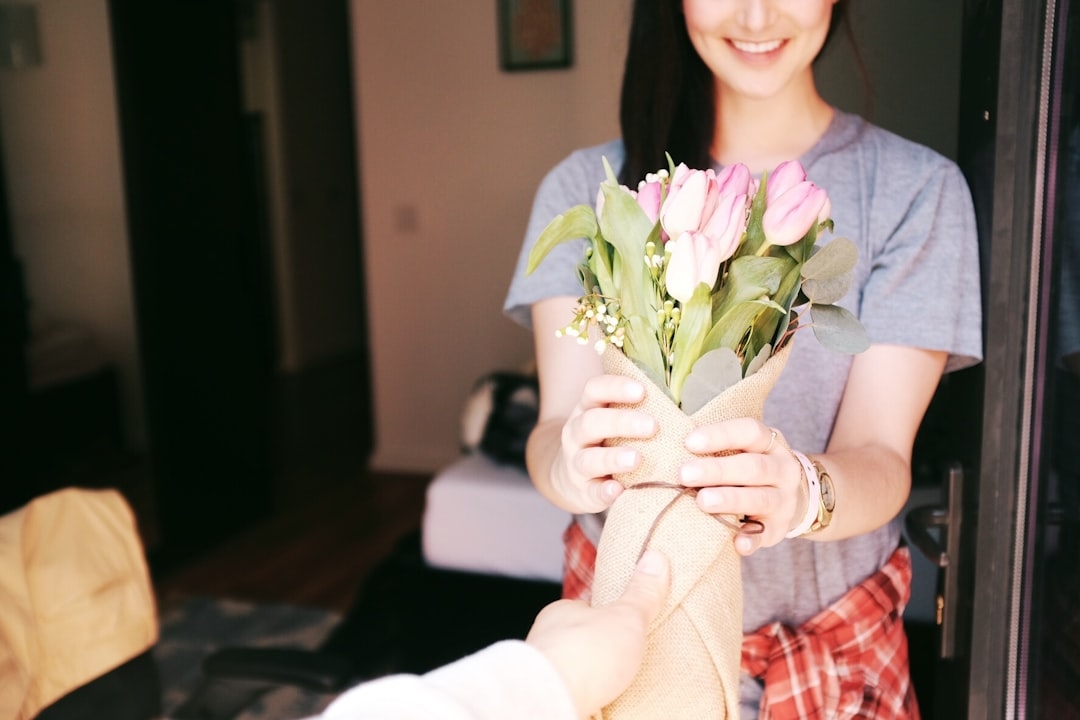
Receiving flowers is more than a fleeting delight. Studies show recipients often experience:
- Increased social bonding–“Who sent these?”
- Positive association with the giver–flowers can reinforce affection, even repair rifts.
- A visual reminder (for days or weeks) of being cared for.
Dr. Sonia Patel, horticultural therapist in Portland, OR, says: “The simple act of walking past a vase of fresh blooms lifts spirits and reduces anxiety. Many of my clients keep the dried petals as keepsakes–a tangible memory of kindness.”
How to Make Flower-Giving Unforgettable
Want to maximize the emotional impact? Small touches matter.
- Personalized note: Even a few handwritten words make a difference (“Thinking of your big day…”).
- Tailored selection: Choose flowers with a meaning relevant to the recipient (like irises for wisdom).
- Surprise factor: Deliver blooms “just because,” not just on holidays. Random acts create stronger positive memories.
- Presentation: Unique vases, sustainable wrapping, or an arrangement from a local florist (instead of a mass-market bundle) shows extra thought.
Simple Ways to Keep Flowers Longer
- Change water daily.
- Trim stems at an angle every 2 days.
- Remove wilting petals promptly.
- Keep away from direct sun and fruit.
- Add commercial flower food (or a drop of lemon juice + sugar).
Frequently Asked Questions
What makes receiving flowers so psychologically powerful?
Receiving flowers triggers the brain’s reward centers, creating instant feelings of happiness and gratitude. Flowers also communicate care, attention, and thoughtfulness, strengthening social bonds.
Do men and women respond differently to flower gifts?
Research shows that women are generally more likely to feel emotionally moved by receiving flowers, but appreciation is rising among men, particularly in younger generations.
How long do the positive effects of receiving flowers last?
Studies show feelings of happiness and reduced stress can last several days to weeks, especially when flowers remain visible in the home or office.
What’s the best kind of flower to give as a gift?
The best flower depends on the occasion and message you want to send. Roses for love, sunflowers for friendship, lilies for remembrance, and mixed bouquets for celebration all have unique meanings.
Is it better to order flowers online or from a local florist?
Local florists often offer fresher, more unique arrangements and same-day delivery in many US cities. National online services (like UrbanStems, Bouqs.com, 1-800-Flowers) are convenient for long-distance gifting, but may have less customization.
Give–and Receive–More Blooms in 2026
There’s more power in giving flowers than meets the eye–or the nose. This year, lean into the science, the symbolism, and the sheer sensory joy. Next time you want to mark a milestone, smooth over a rough patch, or just lift someone’s day, send a bouquet. Or better yet, treat yourself to fresh flowers and notice the way your own mood shifts. The psychology of receiving flowers isn’t just a quirk–it’s human nature, and it’s worth celebrating.