Contents:
- What Are the Best Wedding Flowers for a Garden Venue? (Quick Answer)
- Designing with the Garden in Mind
- Start with the Setting
- Honor the Season
- Pull Colors from Nature
- Key Considerations for Wedding Florals in a Garden Setting
- Weather-Resistance
- Arrangements that Flow with Nature
- Sustainable Choices
- Signature Floral Elements for a Garden Wedding
- Ceremony Arches & Structures
- Aisle Markers
- Bouquet Styles
- Reception Table Flowers
- Blending Flower Choices With Your Garden Venue
- Coordinate with Existing Plantings
- Color Palette: Complement, Don’t Clash
- Layer in Texture
- Timeline, Logistics, and Budgeting Tips
- Booking Your Florist
- Day-Of Logistics
- Backup Plans & Rentals
- Real-Life Inspiration: Garden Wedding Flower Combos
- Classic Romance (East Coast, Late Spring)
- Wild Meadow (Midwest, Summer)
- Elegant Tropic (West Coast, Early Fall)
- Scented Pastels (South, April)
- FAQ: Wedding Flowers for a Garden Venue
- What flowers last longest outdoors for a summer garden wedding?
- How far in advance should I book my wedding florist for a garden venue?
- Can I use flowers from my own or the venue’s garden?
- How much do wedding flowers cost for a garden venue in the US?
- What are some sustainable options for garden wedding flowers?
Wedding Flowers for a Garden Venue – Design Guide
Peonies bursting into bloom under a June sky, the scent of fresh-cut lilac drifting between chairs, a sunbeam catching the shimmer on a single rose petal–garden weddings deliver something magical before you say “I do.” But turning a lush, living backdrop into a wedding masterpiece takes more than dropping a few bouquets on tables. It’s a blend of design strategy, flower expertise, and a sharp eye for detail.
From choosing the right seasonal stems to coaxing color palettes into harmony with nature, this guide will walk you through creating wedding flowers for a garden venue. Let’s make your celebration feel gracefully entwined with the outdoors–and design arrangements that never fight the beauty around them.
What Are the Best Wedding Flowers for a Garden Venue? (Quick Answer)
The best wedding flowers for a garden venue are seasonal blooms that complement the existing landscape, such as peonies, garden roses, ranunculus, sweet peas, and hydrangea. Choose native and locally grown flowers when possible for freshness, sustainability, and seamless blending with the venue’s setting. Prioritize soft, natural arrangements with loose greenery and airy textures to enhance, rather than overshadow, the outdoor beauty.
Designing with the Garden in Mind
Every garden venue is a living canvas. If your wedding is set at a historic estate in New York, a coastal garden in California, or your grandmother’s backyard in Savannah, the flowers you choose should harmonize with your surroundings–not compete.
Start with the Setting
Take a slow walk through the venue, ideally at the same time of year as your wedding date. What’s blooming? What is the color of the foliage? Are there stately boxwoods, wildflowers, or a riot of roses? A great wedding floral designer, like Rachel Sugarman of Sugarman Floral Studio (Brooklyn, NY), starts every garden booking with this site visit: “I never design in a vacuum,” she says. “If the wisteria is climbing the pergola, I’ll choose lavender accents and trailing greens, never sunflowers or tropicals that feel transported from somewhere else.”
Honor the Season
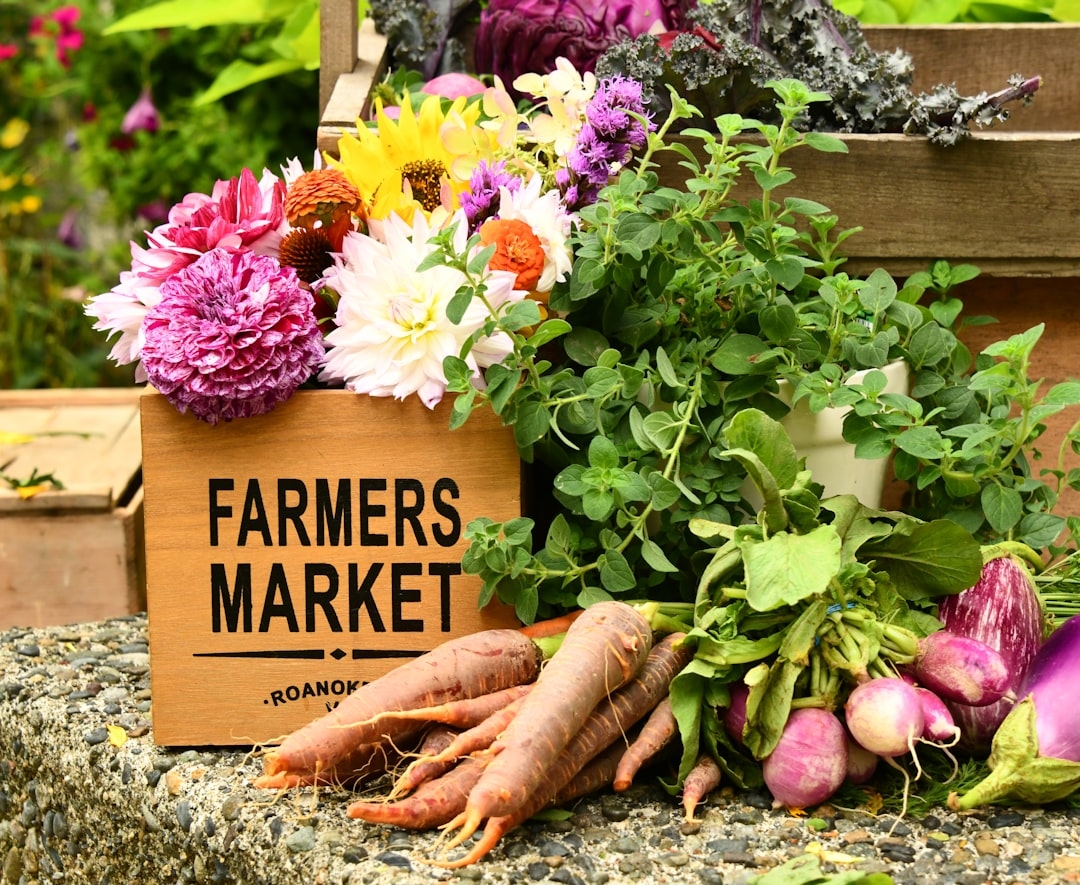
Seasonality is your biggest asset. In the US, peonies shine in May-June, dahlias bloom July through September, and ranunculus are abundant in early spring (March-April). Choosing local blooms means your arrangements look lush and last longer through the wedding day. Plus, you’re likely to save 15-30% compared to shipping in out-of-season or imported flowers.
Pull Colors from Nature
Garden venues often already have a strong palette: blush, lavender, sage green, or the hot pinks and oranges of midsummer. Draw your inspiration from what you see. For example:
- Spring: Pastel sweet peas, hellebores, narcissus, cherry blossom branches
- Summer: Peonies, delphinium, garden roses, cosmos, phlox
- Fall: Dahlias, zinnias, amaranth, marigold, eucalyptus
- Winter gardens (in warm zones): Camellia, anemone, dusty miller, waxflower
Key Considerations for Wedding Florals in a Garden Setting
Designing with an outdoor venue brings both freedom and a set of unique demands. Here’s what every couple and florist needs to weigh:
Weather-Resistance
Sun, heat, humidity, and wind can all be enemies of delicate blooms. Sarah Williams, AIFD and owner of Pacific Petals in Seattle, notes: “Hydrangea and tulips wilt fastest in direct sun, while lisianthus and zinnias hold up beautifully for hours outdoors.”
Pro tip: Always ask your florist about flower varieties that can handle the forecast for your wedding month. Using sturdy stems and hardy greenery (think Italian ruscus, ferns, or eucalyptus) can keep arrangements looking fresh all day.
Arrangements that Flow with Nature
A garden wedding calls for arrangements that look like they “grew there”–not stiff, formal hotel-style centerpieces. Opt for cascading bouquets, airy compote centerpieces, and wild-gathered aisle markers. Use trailing greens like jasmine vine or clematis, and weave in edible herbs (rosemary, lavender) for scent and interest.
Sustainable Choices
Locally grown flowers reduce your carbon footprint and support small farms. In 2026, over 40% of US couples surveyed (source: WeddingWire 2026 Trends Report) said they prioritize American-grown or eco-certified flowers for weddings. Ask your florist about green foam alternatives and composting.
Signature Floral Elements for a Garden Wedding
What sets apart show-stopping garden wedding florals? It comes down to thoughtful, layered design and a willingness to blur the lines between “decor” and the living landscape.
1. Ceremony Arches & Structures
Whether you’re exchanging vows under a classic round arch, an asymmetrical ceremony installation, or a pergola dripping with clematis, the structure’s style and flowers should echo what’s blooming nearby. For grand impact:
- Build with local vines (ivy, honeysuckle, jasmine)
- Mix in textural branches
- Accent with focal flowers in groupings, not single stems
2. Aisle Markers
Forget stiff pew-ends! Use handtied posies, clusters of flowers in vintage urns, or even potted ferns lining the aisle. For dramatic photos, scatter petals down the runner–rose, delphinium, or lilac work especially well.
3. Bouquet Styles
Garden venues favor bouquet shapes that feel romantic and loose. Think waterfall, crescent, or hand-tied garden bouquets brimming with layered texture. Don’t be afraid of a few “wild” stems.
“The best bouquets feel a little imperfect–like you just gathered them by hand.”
– Margaret Hill, lead designer, Willow & Vine, Charleston, SC
4. Reception Table Flowers
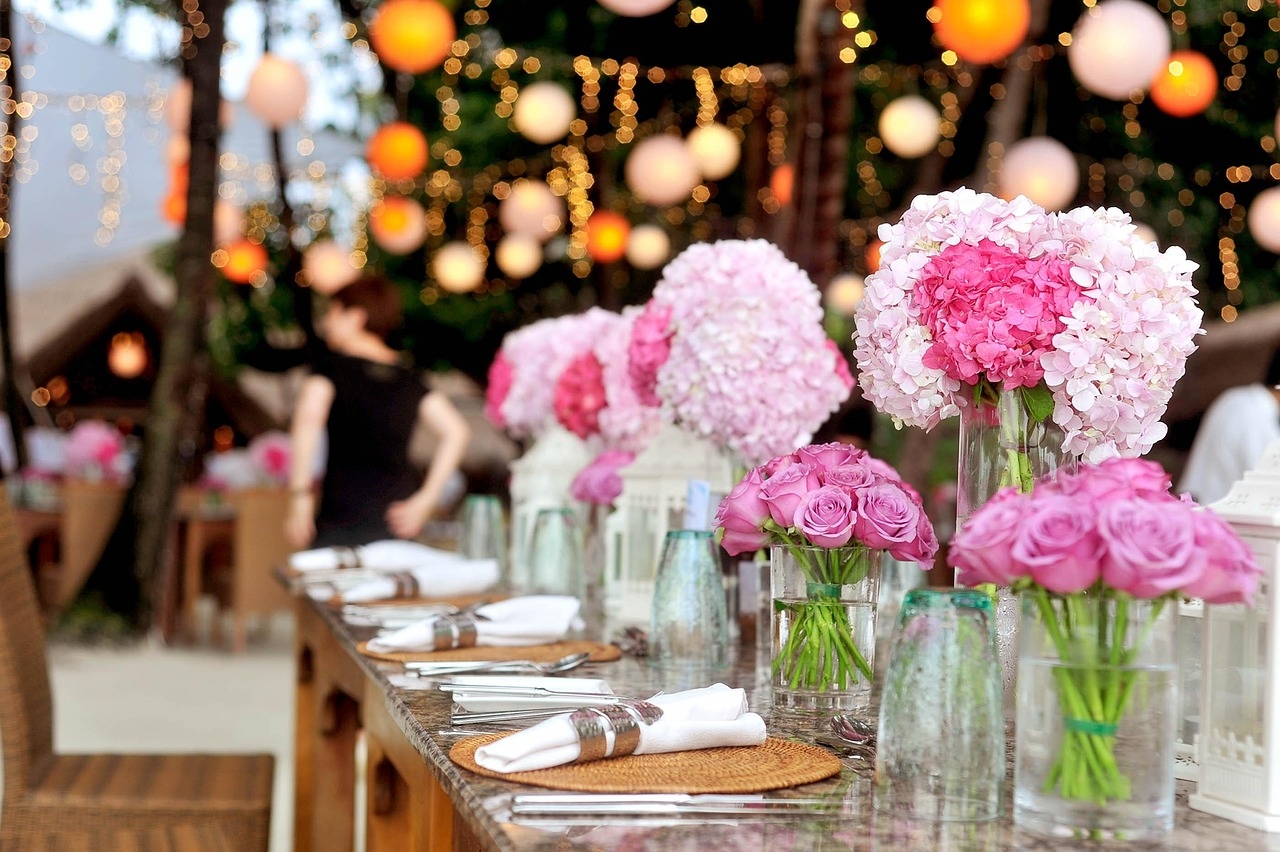
Low compote bowls, gathered bud vases, or even clusters of potted herbs and annuals can create a garden-like effect. For long tables, try floral runners with trailing greenery and interspersed candles.
Comparison Table: Popular Garden Wedding Centerpiece Styles
| Style | Best For | Typical Blooms | Pros | Cons |
|---|---|---|---|---|
| Compote Bowl | Round tables | Garden roses, ranunculus | Lush, romantic, low profile | Needs water source |
| Bud Vases | Cocktail, long tables | Sweet peas, scabiosa | Airy, flexible, budget-wise | Less dramatic |
| Garland Runner | Banquet/rectangular | Eucalyptus, cosmos | Organic, dramatic length | Not for round tables |
| Potted Plants | Rustic, eco-friendly | Lavender, herbs | Sustainable, reusable | Less floral impact |
Blending Flower Choices With Your Garden Venue
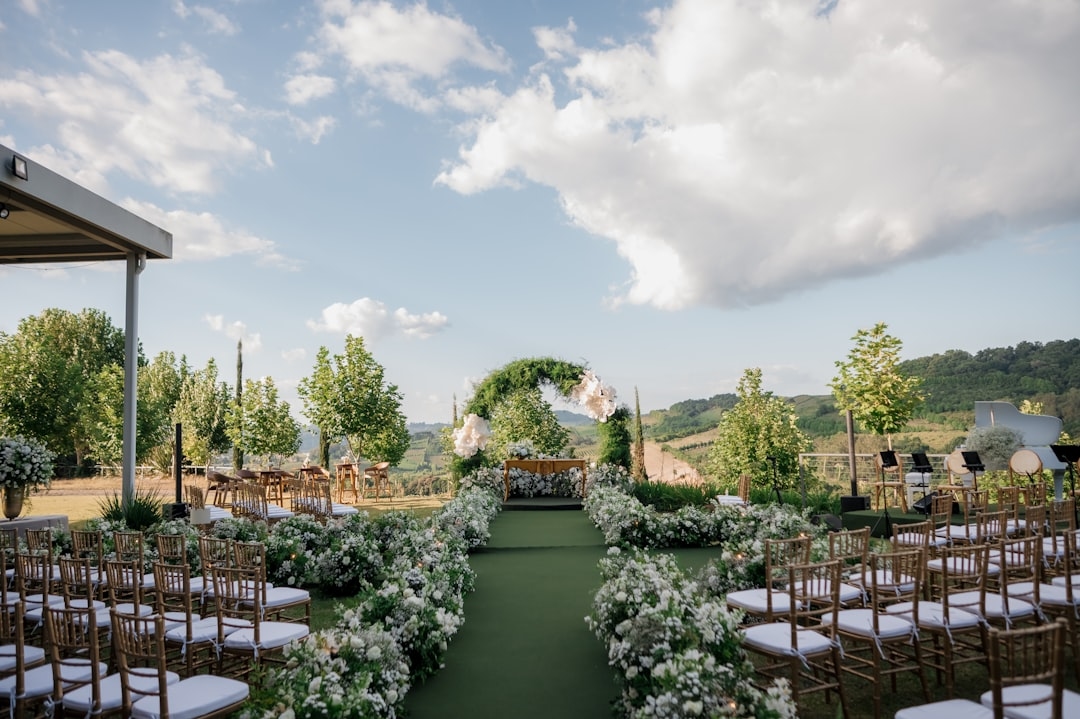
Selecting your wedding flowers for a garden venue isn’t just about what’s trendy. The right flowers will echo the environment, the architecture, and your own color story. Here’s how to tie it all together.
Coordinate with Existing Plantings
What grows in your venue? If there’s a rose garden, include garden roses in your arrangements. If mature hydrangeas blanket the grounds, match those hues in your bouquets. This creates a sense of unity and visual abundance.
Color Palette: Complement, Don’t Clash
Avoid clashing with the garden’s dominant tones. If the garden features bold reds and hot pinks, a palette of soft blush and white may fade away. Instead, select one or two colors from the garden and add accent shades for contrast. Use a color wheel or swatch samples during your planning.
Layer in Texture
Mixing petal types (ruffled, spiky, flat), foliage (silvery, glossy, feathery), and even non-floral elements (berries, seed pods, fruit) mirrors the wild, varied beauty of a real garden. In 2026, textured arrangements remain a top-requested design in US wedding floristry, according to Petal Pulse Market Research.
Timeline, Logistics, and Budgeting Tips
Weddings move fast, and garden venues can present surprises–weather, space, power, and more. Here’s how to keep your floral plans on track:
Booking Your Florist
- Most top-tier wedding florists in the US book 9-18 months in advance for peak season (May-October).
- Expect to pay $4,000-$7,000 for full-service garden wedding florals (bouquets, ceremony, reception), though small events and DIY options can run $1,500-$2,500.
Day-Of Logistics
- Check with your venue: Is there water access for arrangements? Shade for bouquets before the ceremony?
- Ask about setup and breakdown times–outdoor spaces often have tighter windows.
Backup Plans & Rentals
Always have a rain backup for any outdoor floral structure. In hot US regions, consider tenting or canopies for delicate blooms. Many florists now offer rentals for arches, large urns, or sustainable containers to cut costs and waste.
Real-Life Inspiration: Garden Wedding Flower Combos
Need a few sample recipes? These flower combinations work beautifully for US garden celebrations:
Classic Romance (East Coast, Late Spring)
- Blush garden roses, white peonies, pale blue delphinium, Queen Anne’s lace, silver dollar eucalyptus
Wild Meadow (Midwest, Summer)
- Cosmos, zinnia, lisianthus, scabiosa pods, ammi majus, feathery ferns
Elegant Tropic (West Coast, Early Fall)
- Dahlias, Japanese anemone, sage, trailing jasmine, variegated pittosporum
Scented Pastels (South, April)
- Sweet peas, lilac, ranunculus, stock, rosemary, camellia foliage
FAQ: Wedding Flowers for a Garden Venue
What flowers last longest outdoors for a summer garden wedding?
Zinnias, lisianthus, dahlias, sunflowers, and scabiosa hold up well in summer heat. Avoid hydrangea, tulips, and delicate sweet peas for all-day uncovered use.
How far in advance should I book my wedding florist for a garden venue?
For popular months (May-October), book your florist 9-12 months ahead. Top designers may require 12-18 months’ notice.
Can I use flowers from my own or the venue’s garden?
Yes, but coordinate with your florist and venue for permission and logistics. Homegrown flowers add charm but may need supplementing for volume and structure.
How much do wedding flowers cost for a garden venue in the US?
Full-service garden wedding florals in 2026 average $4,000-$7,000 USD, depending on region, guest count, and complexity.
What are some sustainable options for garden wedding flowers?
Choose American-grown blooms, avoid floral foam, repurpose arrangements throughout your event, and consider donating flowers after the wedding.
Ready to start your garden wedding flower planning? Grab your notebook, schedule a walk-through at your venue, and jot down what’s in bloom. The best arrangements don’t just decorate a space–they become part of the landscape’s living story. With nature as your partner, your wedding florals can be as timeless and breathtaking as the garden itself.