Contents:
- The Fast Answer: Why Do Brides Carry Bouquets?
- Bouquets as Ancient Talismans and Practical Necessities
- Herbal Defense & Sweet Relief
- The Great Bouquet-Bathroom Connection
- Symbolism Blooms: From Love to Luck
- Every Flower Tells a Story
- A Historic Comparison
- From Herbal Bundles to Haute Couture Arrangements
- American Floristry Evolves
- Sustainability & Seasonality
- Why the Bouquet Toss? A Surprisingly Practical Origin
- Wedding Bouquets in American Pop Culture
- Hollywood Influence
- Industry Innovations
- Pull-Quote
- FAQ: Bridal Bouquets, Answered
- Why do brides traditionally carry flowers?
- What did the first wedding bouquets look like?
- Do the types of flowers in a bouquet matter?
- How much do bridal bouquets cost in the US in 2026?
- Is carrying a bouquet still required at American weddings?
- Keep Your Bouquet Tradition–But Make It Yours
Why Brides Carry Bouquets – The Real History
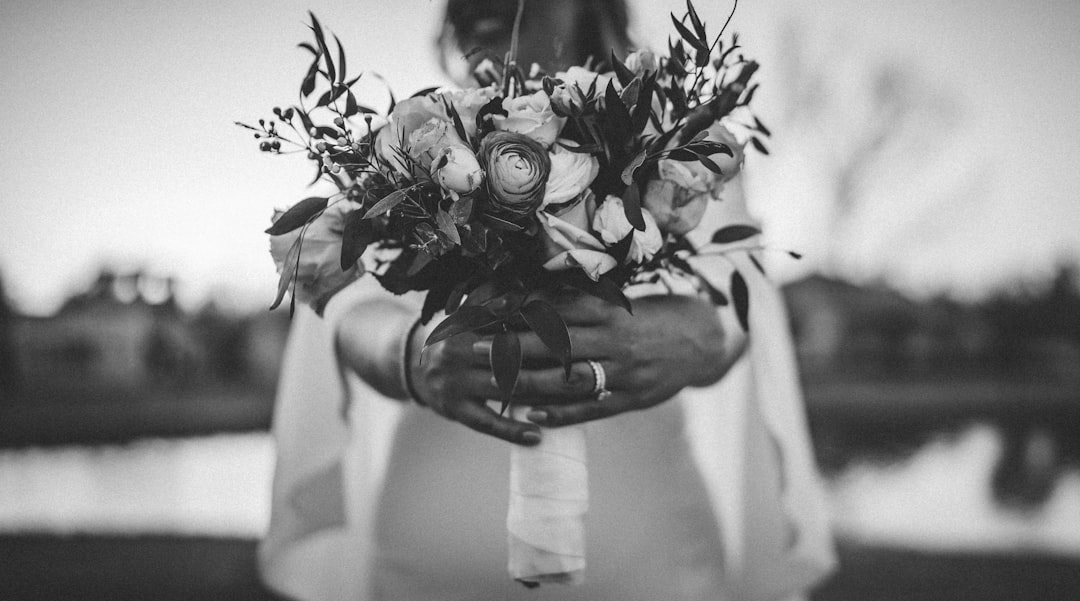
Picture an aisle scattered with petals, a bride gripping a cluster of peonies and wildflowers. There’s something instantly iconic, almost instinctive, about the bridal bouquet. Yet beneath the beauty, there’s a backstory filled with herbal remedies, hidden meanings, and even the fight against ancient superstitions and bad smells. While a $250 Vera Wang bouquet today is mostly about aesthetics, this tradition started as something far more… practical.
The Fast Answer: Why Do Brides Carry Bouquets?
Brides carry bouquets because these flower arrangements have long symbolized love, prosperity, and fertility–while also serving to ward off evil spirits and mask unpleasant odors. The custom evolved as herbal and floral bundles, believed to bring good fortune and freshen the air, became part of wedding ceremonies across many cultures. Over centuries, the symbolic meaning persisted and florists refined the tradition into the elegant bouquets we know today.
Bouquets as Ancient Talismans and Practical Necessities
Herbal Defense & Sweet Relief
The earliest “wedding bouquet” wasn’t a dozen white roses from FTD. Try: garlic, dill, and pungent herbs, often bound with ribbons or lace. In Ancient Rome–according to Dr. Helen Vasquez, PhD in Horticultural History–brides carried strong-smelling herbs like rosemary or thyme, aimed squarely at keeping evil spirits at bay. Marriages were seen as spiritually vulnerable moments, so the bouquet became a protective amulet.
During the Middle Ages, when hygiene was, kindly put, less thorough, bouquets of lavender, marigold, and orange blossom did double duty. They weren’t just blessings–they covered up “the smells of daily life,” says Vasquez. For context, historical accounts from the 16th century describe Londoners sprinkling bouquets in their shoes and pockets as portable air fresheners.
The Great Bouquet-Bathroom Connection
A quirky side fact: the “flower girls” who precede the bride? Originally, it was their job to spread fragrant herbs underfoot so the bride would literally tread on good luck before the vows. Fast forward to modern venues with AC and venue managers, and those rose petals are just Instagram perfect.
Symbolism Blooms: From Love to Luck
Every Flower Tells a Story
The practice of floriography–communicating feelings through flowers–exploded in the Victorian era. American brides in the early 1900s would agonize over the meaning behind every petal and stem.
Here’s a sampling of floral meanings:
- Rose: Love (especially red or blush)
- Lily-of-the-valley: Purity and happiness
- Ivy: Fidelity and strong marriage
- Myrtle: Good luck (Queen Victoria carried it in 1840; the British royal tradition persists)
Modern bouquets often play with these meanings, even if the couple doesn’t realize it. According to a 2026 survey by BloomNation, 68% of US brides said “choosing meaningful flowers” mattered when designing their bouquet.
A Historic Comparison
| Era | Typical Bouquet Contents | Main Purpose |
|---|---|---|
| Ancient Rome | Garlic, rosemary, wheat | Ward off evil, fertility |
| Middle Ages | Dill, lavender, marigold | Fragrance & luck |
| Victorian | Roses, orange blossom | Symbolism, love |
| Modern (2026) | Peonies, eucalyptus, mix | Aesthetics, tradition |
From Herbal Bundles to Haute Couture Arrangements
American Floristry Evolves
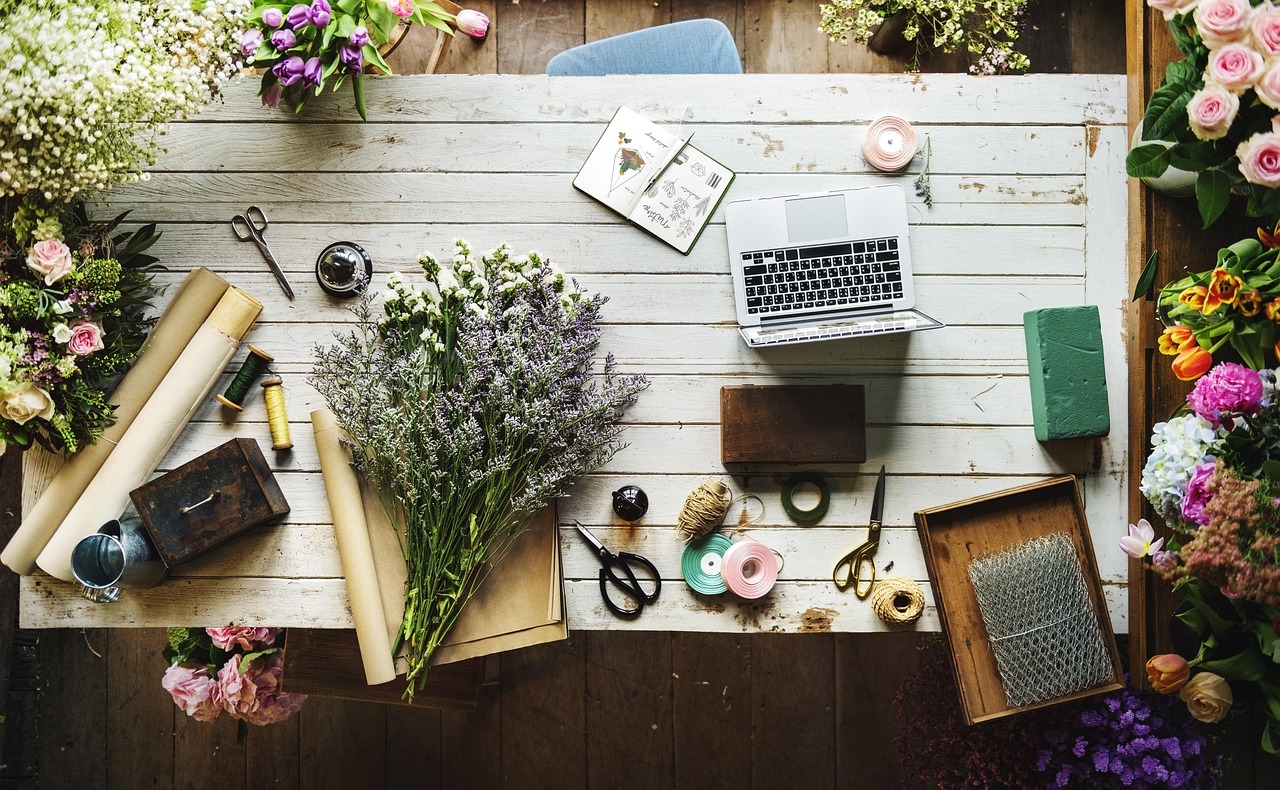
Floristry as a profession exploded in the US after the Civil War. By the early 20th century, department stores in New York City–think Macy’s and Lord & Taylor–offered custom bridal bouquets. The wire-and-tape method (still used today) was invented in the 1920s, making it possible to shape bouquets into waterfalls or nosegays.
By 1970, Martha Stewart’s influence popularized lush, garden-inspired arrangements. Modern US florists, like NYC’s Lewis Miller Design and LA’s The Bouqs Co., offer everything from $70 wildflower posies to luxurious $500 “bridal crescents” packed with rare blooms. WeddingWire data from 2026 shows US couples spend an average of $350 on bridal bouquets–triple the budget of the 1990s.
Sustainability & Seasonality
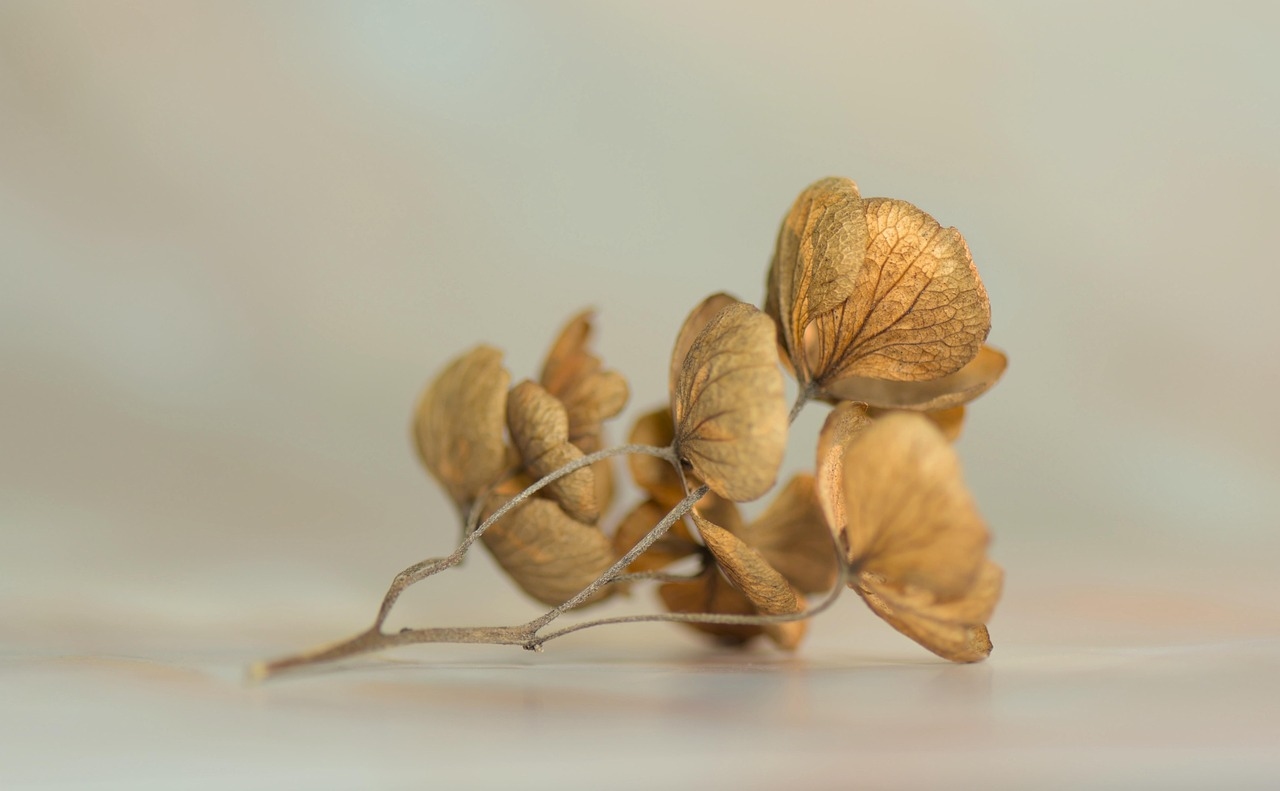
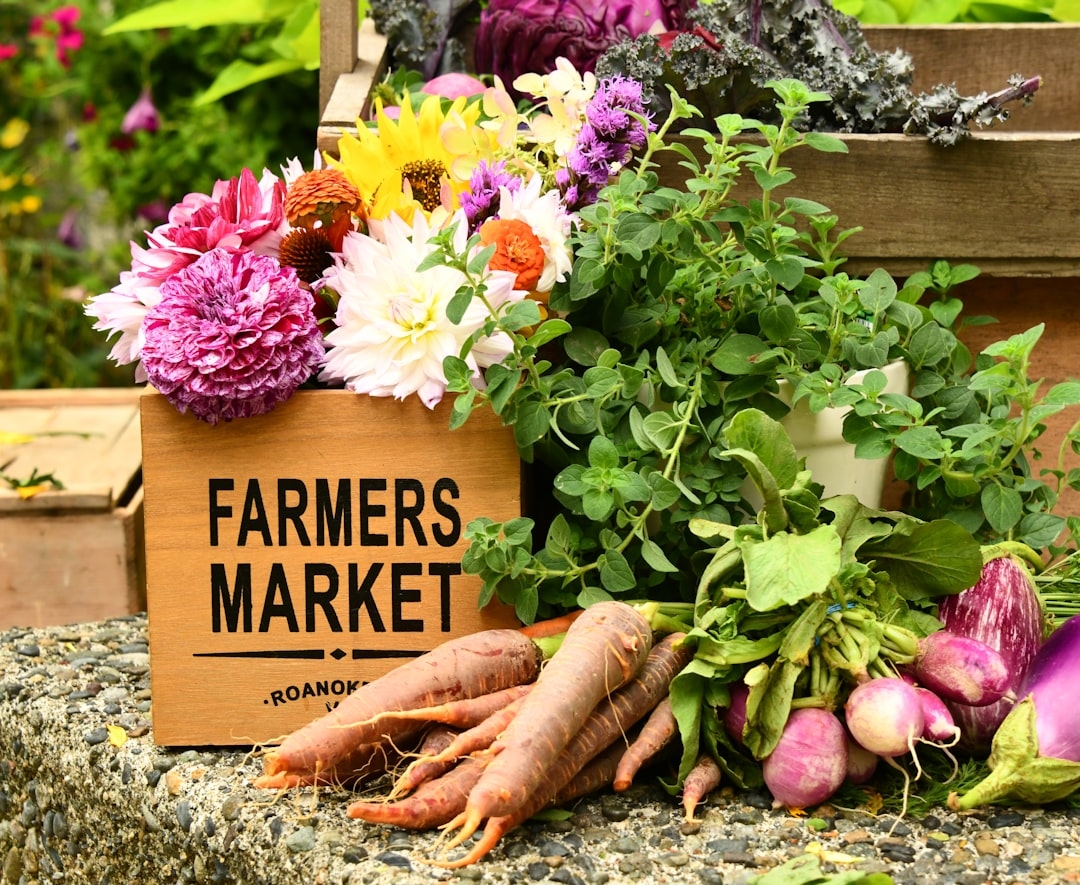
“More couples now ask for locally grown, seasonal flowers or even sustainable bouquets made with dried florals,” says Mia Thompson, certified Master Florist at Chicago’s Fleuriste Botanique. Roughly 35% of US bouquets in 2026 feature at least one native American wildflower, based on an analysis by the American Society of Florists.
Why the Bouquet Toss? A Surprisingly Practical Origin
The bouquet toss isn’t just for laughter and Instagram Reels. This quirky tradition dates back to medieval England, when it was common for guests to chase and tear pieces of the bride’s dress (thought to bring luck). To escape, brides would toss a handful of flowers as a distraction.
Fun fact: The tradition traveled to the US in the late 1800s, and by the 1930s, magazines like Good Housekeeping were describing “lucky bouquets” thrown by brides coast to coast.
Wedding Bouquets in American Pop Culture
Hollywood Influence
From Princess Diana’s cascading 1981 bouquet (copied by thousands of US brides) to Meghan Markle’s understated wildflower bunch, celebrity weddings directly impact bouquet trends. In 2026, Pinterest reports peony bouquets are pinned 4x more than rose-centric arrangements, a jump driven by A-list weddings and viral Instagram posts.
Industry Innovations
American companies like UrbanStems and Teleflora now ship bridal bouquets overnight across the US, with custom wrapping and eco-friendly water packs to keep stems fresh. Specialty services like FloraQueen offer preserved bouquets designed to last years–perfect for couples wanting to keep a tactile wedding memory.
Pull-Quote
“Each flower in a bridal bouquet is a story–a wish for happiness, a fragrant shield against yesterday’s superstitions, and a living tie to all the brides who came before.”
– Mia Thompson, Master Florist, Fleuriste Botanique
FAQ: Bridal Bouquets, Answered
Why do brides traditionally carry flowers?
Brides carry flowers to symbolize love, happiness, prosperity, and fertility; historically, flowers also acted as protection against evil spirits and unpleasant smells.
What did the first wedding bouquets look like?
Early bouquets were often bundles of herbs like garlic, dill, and rosemary rather than ornamental flowers, serving both practical and symbolic purposes.
Do the types of flowers in a bouquet matter?
Yes–different flowers carry unique meanings and cultural symbolism. For example, roses are for love, ivy for fidelity, myrtle for good luck; many US brides still select flowers based on personal or traditional meaning.
How much do bridal bouquets cost in the US in 2026?
In 2026, the typical American bridal bouquet ranges from $150 for simpler arrangements to $500+ for luxury, designer creations, with an average spend around $350.
Is carrying a bouquet still required at American weddings?
While it’s a strong tradition, some modern US brides choose alternatives like dried bouquets, greenery, or even skipping the bouquet entirely for a more personal touch.
Keep Your Bouquet Tradition–But Make It Yours
The real history of bridal bouquets is a mix of folklore, practical necessity, and deeply personal symbolism. As American couples design weddings that honor family heritage and modern style, the bouquet offers endless ways to blend tradition with your own story. Want to go classic? Choose roses and myrtle. Feeling bold? Ask your florist about native wildflowers or dried floral art. In 2026, there’s no one right way–just your way, rooted in a blooming legacy.